
Cebu Summit: Thailand Reinforces Regional Cooperation on Climate, Maritime Security, and Digital Innovation
When Thailand's Prime Minister Anutin Charnvirakul attended the 48th ASEAN Summit on the Philippine resort island of Cebu in mid-May, he participated in discussions centered on regional cooperation across key areas including maritime security, climate action, and digital innovation. The summit brought together ASEAN member leaders to address shared challenges facing Southeast Asia, with Thailand contributing to dialogue on how the bloc can strengthen coordination on these critical fronts.
Key Areas of Regional Focus
The summit emphasized ASEAN's commitment to addressing several interconnected challenges:
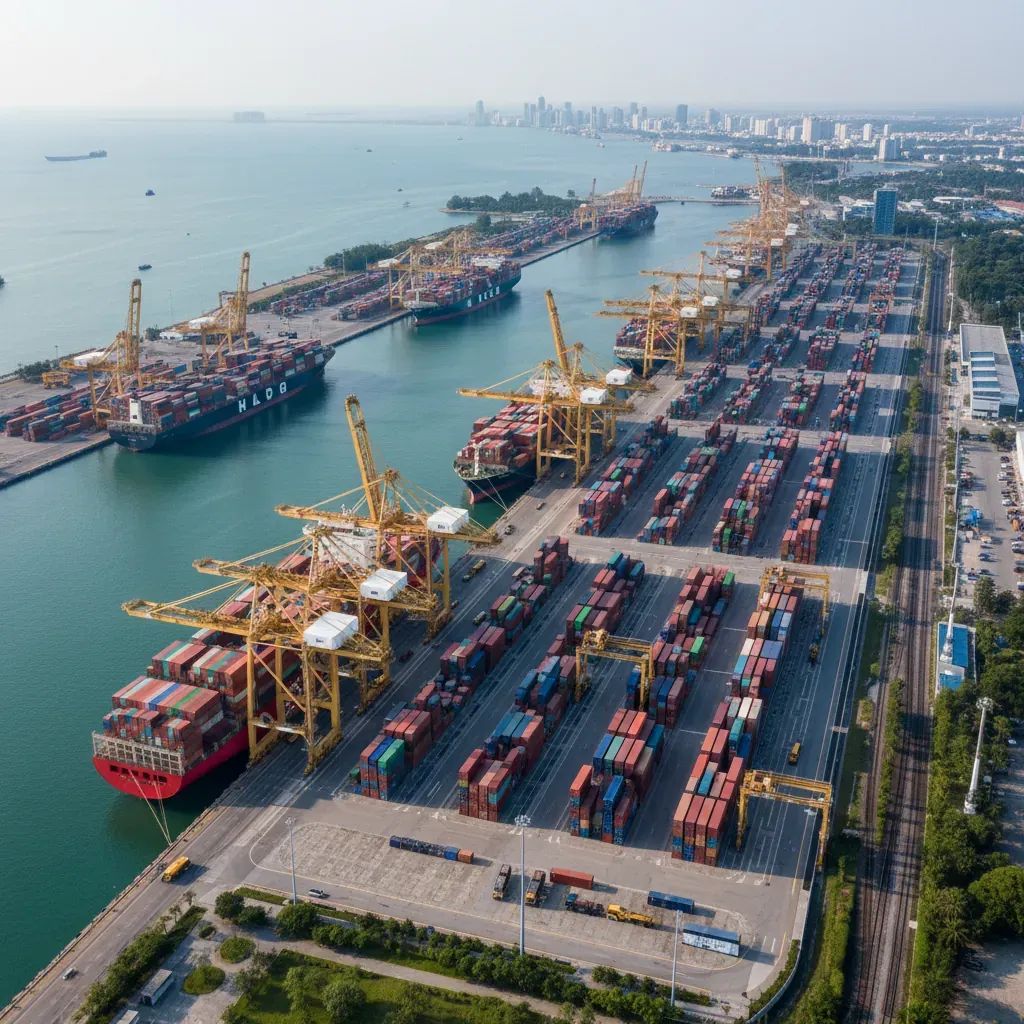
• Maritime security emerged as a priority, with members discussing ways to enhance coordination on shipping safety, environmental protection, and safe-passage protocols in regional waters—areas relevant to Thai shipping operators and port communities.
• Climate action and energy cooperation featured prominently in discussions, with members exploring potential pathways for regional collaboration on renewable energy and climate resilience.
• Disaster response coordination was discussed as a framework for how ASEAN members might better support one another during emergencies and humanitarian crises.
• Digital economy development was identified as an opportunity area, with members exploring how regulatory alignment could support tech innovation and e-commerce growth across the region.
Thailand's Role and Regional Positioning
Thailand participated actively in the summit's discussions, emphasizing regional peace, stability, and cooperation as core objectives. The gathering underscored ongoing dialogue between ASEAN members on how to address shared regional challenges, including maritime issues in Southeast Asian waters and the need for coordinated response mechanisms.
The summit highlighted persistent complexities within ASEAN's multilateral framework. Myanmar's representation at regional forums remains a point of tension, affecting how comprehensively ASEAN can address regional stability issues. Additionally, long-standing maritime disputes in the South China Sea continue to challenge consensus-building, though members reaffirmed commitment to dialogue and peaceful resolution.
Opportunities for Cross-Border Cooperation
The discussions at Cebu touched on several areas where bilateral and multilateral cooperation could develop:
Cambodia and Vietnam relations: The summit created space for ongoing dialogue between Thailand and its neighbors, with members signaling openness to strengthening logistics and trade partnerships. Whether such cooperation materializes will depend on follow-through in subsequent months through bilateral engagements and trade negotiations.
Regional supply-chain integration: ASEAN members discussed potential benefits of greater economic integration, though specific frameworks and timelines remain subject to negotiation among member states.
Digital and financial services: The forum identified digital economy harmonization as a potential area for future collaboration, recognizing that regulatory alignment across ASEAN could benefit tech entrepreneurs and e-commerce businesses operating regionally.
What Remains to Be Determined
The summit produced broad commitments to cooperation but left significant implementation questions unresolved:
Maritime security coordination requires ongoing technical work to establish operational protocols and funding mechanisms. While members expressed interest in enhanced cooperation, concrete institutional arrangements remain to be negotiated.
Myanmar's political situation continues to constrain ASEAN's capacity to present a unified voice on regional stability. Thailand, sharing a long border with Myanmar, has security interests in regional stability, but formal dialogue mechanisms addressing Myanmar's internal situation have not materialized.
Global economic uncertainties persist despite ASEAN's coordination efforts. Members acknowledged external pressures including energy price volatility and shifting global trade patterns, which could affect regional economies including Thailand's export sectors and tourism industry.
Looking Ahead: Implementation and Follow-Through
The real substance of Cebu's outcomes will emerge in the months ahead through bilateral negotiations and technical working groups. Key indicators to monitor include:
• Whether member states advance negotiations on maritime coordination mechanisms
• Progress on digital economy regulatory discussions
• Development of specific bilateral trade and logistics arrangements
• Tangible steps toward implementing disaster-response coordination
• Evidence of renewed Cambodia-Thailand engagement on border and trade matters
Thailand's Path Forward
For people living and working in Thailand, the summit's significance lies not in immediate, transformative changes but in the framework it establishes for ongoing regional dialogue. The discussions at Cebu created space for bilateral negotiations that could yield benefits in logistics efficiency, regulatory clarity for digital businesses, and more predictable maritime operating conditions.
Thailand's contribution to the summit positioned Bangkok as an engaged participant in regional problem-solving. As Thailand prepares for its ASEAN chairmanship in 2028, participation in consensus-building now—particularly on practical cooperation in maritime security, climate action, and digital innovation—demonstrates readiness for future leadership.
The historical pattern with ASEAN initiatives shows that outcomes depend significantly on political will and follow-through after summits conclude. The real test of Cebu's value will emerge as member states translate discussions into specific bilateral arrangements, technical protocols, and institutional mechanisms over the coming 18-24 months. Success will be measured not by grand declarations but by demonstrable progress on the practical cooperation areas identified during the summit.


