
What's Changing and When
Thailand's Ministry of Finance is phasing out fuel subsidies—a significant shift that will raise pump prices starting [specific date needed from officials]. For residents and daily commuters, this means higher costs at the pump, in your shopping basket, and on transport fares. While businesses that sell fuel will see improved profits, the practical impact for most Thais is straightforward: fuel will cost more, and those costs will ripple through the economy.
What This Means for Your Budget
At the pump: Diesel and petrol prices are expected to rise incrementally as the government removes price caps. Exact figures depend on the rollout timeline, but residents should prepare for [X% increase or X baht per liter]. For a typical Bangkok commuter filling up twice weekly, this could add [X baht monthly] to transport expenses.
Groceries and daily goods: Higher fuel costs directly translate to rising delivery expenses. Supermarkets, wet markets, and convenience stores will face increased distribution costs—especially for fresh produce, dairy, and frozen goods that require refrigerated transport. Urban residents in Bangkok and other major cities are likely to see price increases sooner than rural areas with shorter supply chains.
Public transport: Bangkok's BTS, MRT, and provincial bus services operate on diesel budgets. While the Thailand Ministry of Transport has not yet announced formal fare adjustments, informal price linkages to fuel costs suggest that commuter fares could rise within the next [timeframe]. Motorcycle taxi and tuk-tuk rates may also climb as drivers face higher operating costs.
Why the Government is Doing This
Thailand's fuel subsidy program has drained the Oil Fuel Fund for years. The government capped retail petrol prices below market rates, absorbing the difference through state contributions. As international crude prices fluctuated and domestic consumption remained elevated, the program became fiscally unsustainable.
By allowing prices to rise toward free-market levels, the government aims to reduce budget pressures and redirect resources to infrastructure, healthcare, and other priorities. The phased approach—gradually lifting price caps rather than cutting overnight—is designed to minimize shock to household budgets and give businesses time to adjust.
Who Feels the Squeeze
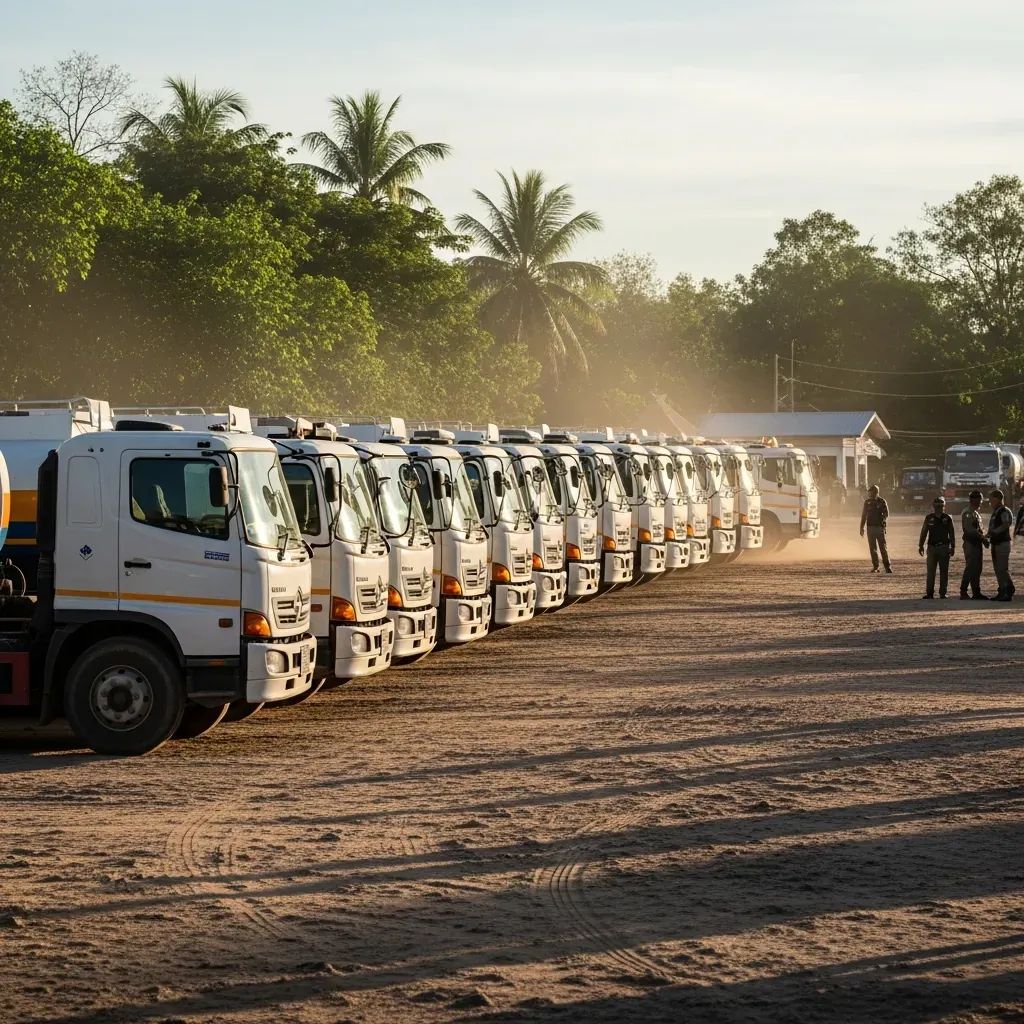
Transport and logistics operators face the sharpest immediate hit. Trucking fleets, courier services, and cold-chain providers typically spend 25% to 35% of operating costs on fuel. Many have already begun raising delivery fees with retail clients, which means higher costs for businesses that rely on regular goods movement—and eventually, higher prices for consumers.
Tourism operators are also vulnerable. Tour buses, intercity shuttles, and domestic airlines operate on thin margins. Several operators have already flagged concerns about margin compression, particularly smaller firms that cannot absorb fuel cost increases through scale or hedging.
Retail chains with large distribution networks will face a choice: absorb the cost and accept lower profits, or raise shelf prices. In a competitive market where Thai consumers remain price-sensitive, many will pass costs forward, leading to noticeable increases in grocery and convenience store prices.
The Mechanics Behind the Subsidy Rollback
The Oil Fuel Fund, financed by government levies and state contributions, has been stretched thin by the subsidy program. Petrol retailers, including PTT Oil and Retail Business, have sold fuel at government-controlled prices that often undercut their actual procurement costs, compressing their margins.
The subsidy removal allows retailers to price competitively again and restore profitability. It also restores market transparency, allowing fuel costs to reflect real supply conditions rather than artificial government caps. For consumers, however, the result is simply higher prices.
What Government Officials Are Saying
The Thailand Cabinet has emphasized that the subsidy rollback is phased to avoid sudden sticker shock and is temporary. The Oil Fuel Fund will retain the ability to intervene if global crude prices spike unexpectedly. However, the direction is clear: market forces, not state support, will increasingly determine fuel costs. Residents should budget for higher energy and transport expenses over the coming months.
Practical Steps Residents Can Consider
• Review commuting options: Consider public transport alternatives, carpooling, or motorcycle usage if fuel costs rise significantly.
• Monitor grocery prices: Prepare for modest increases in fresh produce, dairy, and packaged goods as distribution costs rise.
• Budget adjustments: Factor higher transport and fuel costs into monthly household budgets.
• Inquire about assistance: Check whether your province or municipality offers cost-of-living support programs for low-income households affected by fuel price increases.
Broader Economic Context
Thailand's economy is already navigating external headwinds—slower Chinese growth, uneven global demand, and persistent inflation. Raising fuel costs now carries risk: higher transport costs could dampen consumer spending and weigh on GDP growth, especially if wage growth lags price increases. The Bank of Thailand is monitoring inflation dynamics closely, and any significant spike in transport-linked prices could complicate monetary policy decisions. How quickly and significantly these subsidy cuts translate into household price increases will depend heavily on global crude prices over the next six to twelve months.


