
LISA (Lalisa Manobal) steps into history on June 12 when she takes the stage at SoFi Stadium in Los Angeles—not simply as a pop star, but as the first Thai artist ever to headline a FIFA World Cup opening ceremony. Her agency LLOUD confirmed the news on May 9, reshaping how the world sees talent from the Kingdom on sport's grandest platform. The 2026 tournament marks the first time three nations—the United States, Canada, and Mexico—jointly host the World Cup, expanding the celebration across an unprecedented scale.
Why This Moment Matters
• Cultural Impact & Representation: LISA's selection signals that gatekeeping of global ceremonial slots is cracking, with Southeast Asian talent now commanding the world's attention alongside Western and Latin American artists.
• Economic Implications for Thai Tourism: The Tourism Authority of Thailand expects renewed international interest in the Kingdom, particularly Buriram Province, her birthplace, following the global exposure from an estimated 3 billion viewers.
• What the Selection Process Revealed: FIFA's choice reflects recognition that contemporary streaming-era fanbases—LISA commands 87 million Instagram followers—transcend traditional entertainment hierarchies, requiring artists whose reach mirrors the tournament's expanded global scope.
The Performance Details
The Los Angeles ceremony on June 12 opens the U.S. leg of the tournament before Paraguay faces the home team at SoFi Stadium, which seats roughly 70,000 fans. LISA shares the lineup with Katy Perry, Future, Anitta, Rema, and Tyla—a deliberate mix spanning pop, Afrobeats, and Latin influence. As a performer, LISA carries nine Guinness World Records, cementing her status as one of the most-streamed solo artists alive.
The Scale of 2026: Three Nations, Three Ceremonies
For the first time in tournament history, FIFA has split the opening celebration across all three host countries. This isn't theatrics—it reflects how the 2026 World Cup has grown beyond precedent, expanding to 48 teams and stretching across 16 cities in the United States, Canada, and Mexico.
Mexico City kicks off the festivities on June 11 at Estadio Azteca, hosting Maná, Alejandro Fernández, Belinda, J Balvin, Los Ángeles Azules, Lila Downs, Danny Ocean, and Tyla. The following evening, Toronto takes its turn at a venue still to be formally announced, featuring Michael Bublé, Alanis Morissette, Alessia Cara, Jessie Reyez, Nora Fatehi, Elyanna, Sanjoy, Vegedream, and William Prince. Then LISA and her cohort claim the spotlight in California.
The choice to fragment ceremonies reflects FIFA's shift toward regional authenticity. Rather than impose a single narrative, the tournament now lets host nations curate their own cultural showcase. For residents of Thailand watching from afar, LISA's presence in Los Angeles creates a direct line between Bangkok and one of the world's most-watched sporting moments—an estimated 3 billion viewers globally tune in to opening ceremonies.
What This Victory Actually Means for Thailand
LISA's selection transcends entertainment gossip. It represents a tangible expansion of Thai soft power in spaces historically dominated by American, European, and Latin American artists. When governments invest in cultural diplomacy, this is the metric they track: representation at global moments where billions are watching.
Thailand's Ministry of Culture has already recognized LISA's strategic value. In 2023, they awarded her the Wattanakunathorn Award (Cultural Ambassador Leader)—not casually handed out, but reserved for figures deemed genuinely representative of the nation abroad. Former Prime Minister Prayut Chan-o-cha publicly acknowledged her role in projecting Thai identity internationally, understanding that music videos shot in Bangkok—like her 2024 track "Rockstar," filmed amid neon alleyways and street markets—do more for tourism than many official campaigns.
Her trajectory carries weight for young Thais contemplating paths beyond the Kingdom. Born in Buriram Province in the northeastern region, LISA competed in a 2010 YG Entertainment audition in Thailand alongside 4,000 hopefuls. She was selected as the label's first non-Korean trainee—a barrier-breaking move in an industry historically closed to foreigners. That journey from small-town Thailand to commanding international stages is aspirational in ways that traditional success stories often are not.
How She Got Here: The Numbers Behind the Phenomenon
LISA didn't stumble into the FIFA stage. The platform exists because her reach is undeniable. She holds nine Guinness World Records, a collection spanning categories that matter in streaming-era metrics. Her 2021 debut solo single "LALISA" hit 73.6 million YouTube views in 24 hours—still the record for a solo artist. "Money," her follow-up, became the first K-pop solo track to hit one billion Spotify streams. Her debut album LALISA matched that achievement, making her the first solo female K-pop artist to sell 736,000 copies in a first week domestically.
On Instagram, she commands 87 million followers, the highest count among any K-pop performer. These aren't vanity metrics—they signal the exact kind of cross-border, multi-generational appeal that FIFA seeks when selecting performers. A World Cup ceremony is essentially a 90-minute advertisement for the tournament, and artists with massive, engaged fanbases guarantee viewership spikes.
In 2024, LISA launched her own management company, LLOUD, and signed with RCA Records—moves that professionalized her independence. Her single "Rockstar" hit number one on the Billboard Global Excl. US chart, proving she could succeed outside the K-pop machinery. She's since branched into acting, debuting in HBO's The White Lotus in 2025, and maintaining a Las Vegas residency, "Viva La Lisa," scheduled for November 2026 at Caesars Palace.
K-Pop's Expanding World Cup Footprint
LISA becomes the second K-pop artist to perform at a World Cup opening—following BTS member Jungkook, who performed at the 2022 Qatar ceremony. The pattern suggests that K-pop's influence on global sports marketing has matured beyond novelty. These acts command fanbases that span continents and demographics, generating what marketing teams call "discoverability peaks": moments when casual viewers encounter artists they've never heard of and convert into long-term listeners.
What distinguishes LISA is the added layer of Thai representation. She's the first artist from Southeast Asia—indeed, from any non-Western, non-Latin American market—to headline a World Cup opening. That distinction carries diplomatic weight. Sports sponsorships and global ceremonial slots have traditionally been gatekept by Western entertainment industries. LISA's selection signals that this gatekeeping is cracking.
Practical Logistics for Thai Fans Watching Live
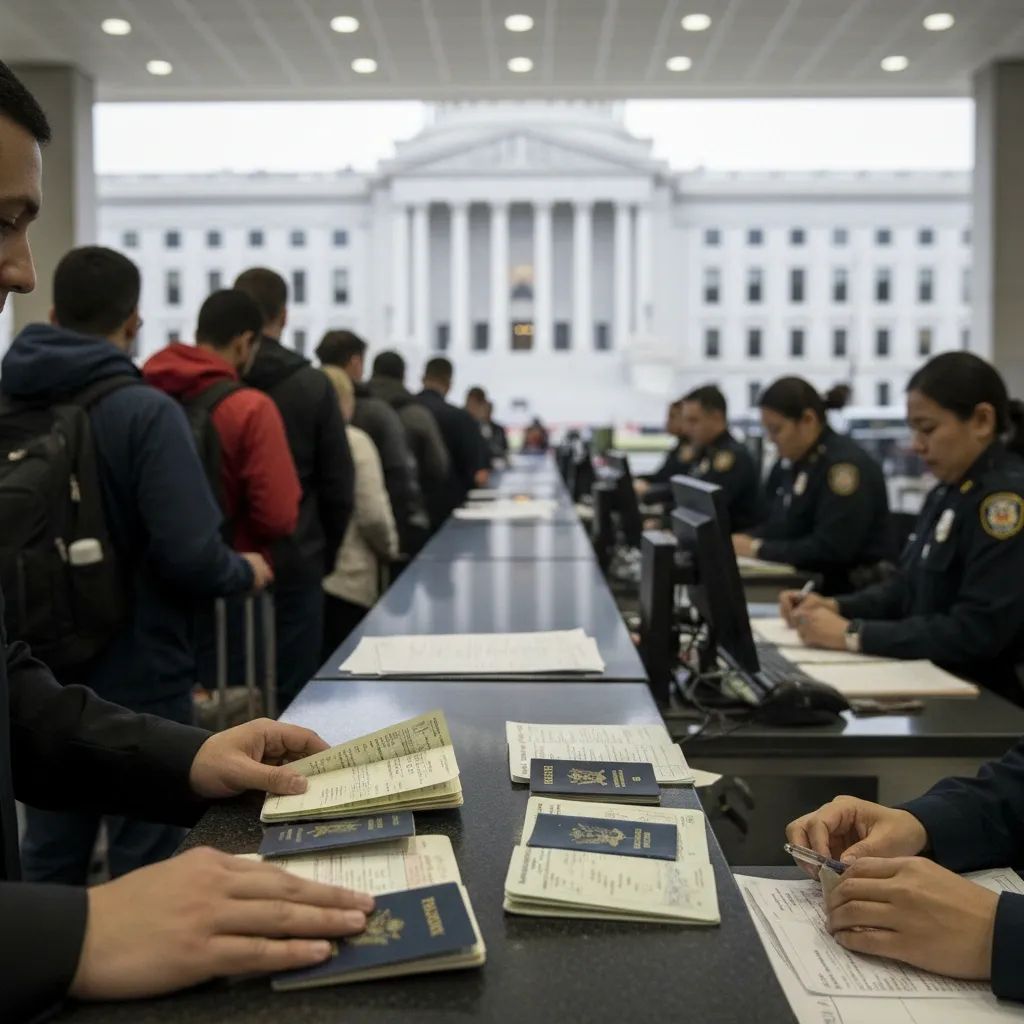
For those considering the pilgrimage to Los Angeles, several factors apply. Thai nationals require a U.S. visa—application timelines have fluctuated, so early submission is advisable. SoFi Stadium sits in Inglewood, California, accessible via LA Metro's K Line from downtown Los Angeles. Opening ceremony ticket packages typically command premiums over standard match tickets, often starting in the hundreds of dollars.
From Thailand, the broadcast will air on June 12 at approximately 4:00 AM Bangkok time (exact timing confirmed closer to the date). Thai broadcasters are expected to carry the ceremony live; FIFA+ and regional sports networks will stream globally. Given LISA's domestic following, bars and viewing parties across Bangkok, Chiang Mai, and Phuket will likely organize group screenings, mirroring the enthusiasm seen during major BLACKPINK concerts.
The Anthem Question
Industry reporting suggests LISA is preparing an official World Cup soundtrack with Anitta, Rema, and Brazilian production collective Tropkillaz. If released, this would mark her first multi-artist sports anthem—a format that historically dominates streaming charts throughout the tournament. The precedent is Shakira's 2010 hit "Waka Waka," which became synonymous with that World Cup cycle and achieved sustained chart momentum across the competition's entire duration.
Such a collaboration would position LISA as part of FIFA's contemporary music strategy: mixing Afrobeats, Latin pop, K-pop, and global commercial sounds to reflect the tournament's expanded geographic scope. The strategic pairing also signals FIFA's recognition that 2026 is fundamentally different from previous cycles—larger, more globally distributed, and requiring artists whose fanbases mirror that expansion.
Thailand's Moment, Amplified
For Thailand's tourism sector, LISA's visibility on a World Cup stage is a substantial cultural export moment. The Tourism Authority of Thailand has previously leveraged her celebrity for destination campaigns, and the June ceremony is expected to renew international interest in the Kingdom, particularly Buriram Province, her birthplace, which has seen modest upticks in tourist inquiries seeking "LISA tours" and birthplace sites.
In some ways, this narrative mirrors how other nations have weaponized pop culture for soft power—South Korea with BTS and Korean cinema, for instance. Thailand has been slower to cultivate such strategic partnerships, but LISA's World Cup appearance suggests a shift. It's not an accident of circumstance; it's evidence that Thai talent, when given platforms, can compete at the highest international level.
The June 12 performance will likely dominate Thai social media and entertainment discourse for weeks. Behind-the-scenes footage, fan reactions, and analytical breakdowns will circulate through local media, reinforcing LISA's position as a cultural ambassador who carried Thai identity onto the world's stage.
For now, the countdown begins. In roughly a month, a girl from northeastern Thailand will command an audience measured in billions—a milestone that rewrites what's possible for artists from the Kingdom.


