
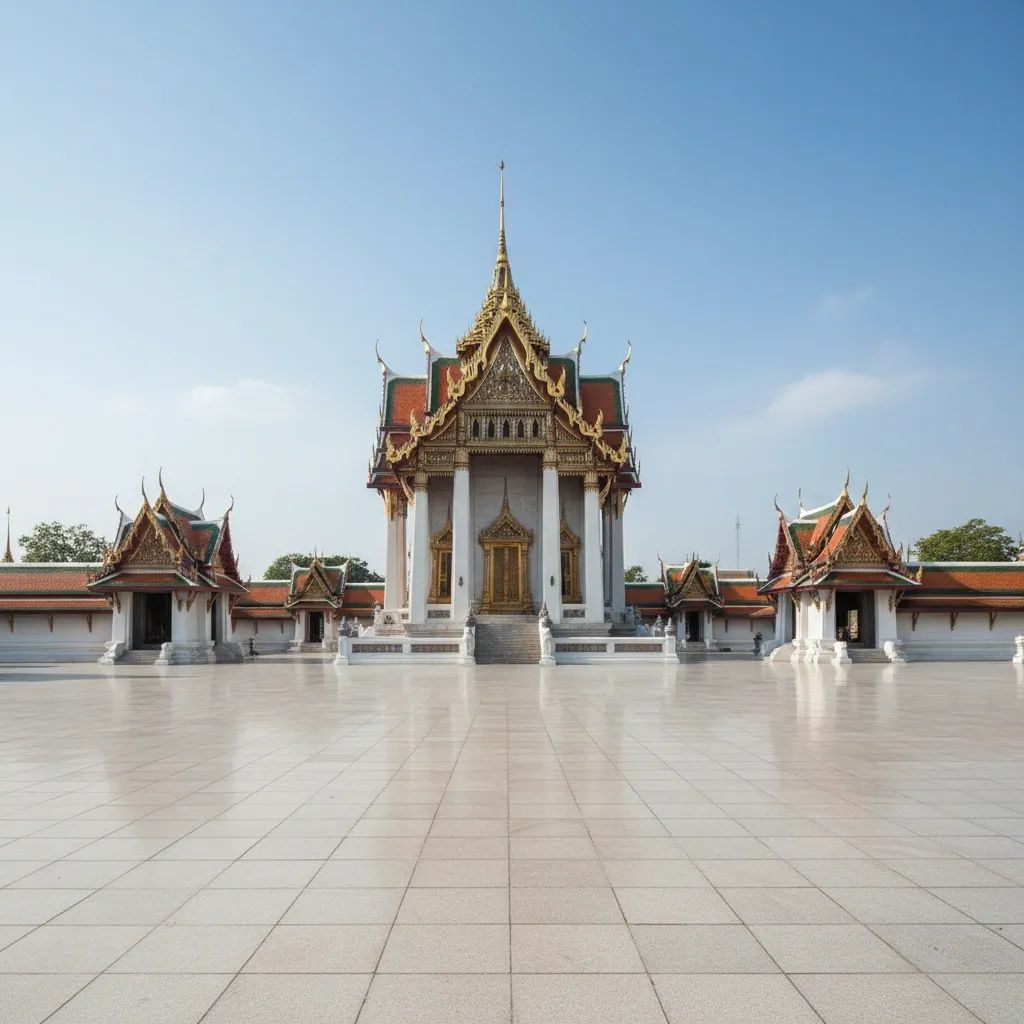
The Thailand province of Chaiyaphum has once again put aspiring monks through what locals call a sacred trial by shaking—a physically demanding ordination ceremony that tests whether a man's commitment to Buddhism can endure a 5-kilometer procession of intense physical challenge.
Why This Matters
• Eight would-be monks completed the "Hae Nak Hot" parade in Phu Khieo district, enduring vigorous shaking on bamboo stretchers to prove their dedication before ordination.
• No participant has ever fallen since the tradition took its current "brutal" form in 1971, though minor bruises and past shoulder injuries have been recorded.
• Cultural authenticity vs. spectacle: The ceremony attracts Thai and foreign tourists, raising questions about how traditional rites evolve when the cameras arrive.
• Completion is mandatory: Only those who finish the route without falling are deemed ready for monastic life at Wat Ta Khaek in Ban Non Salao village.
A Test of Endurance Rooted in Sacrifice
The Hae Nak Hot tradition, which translates literally as "brutal ordination parade," unfolds each year in Chaiyaphum's Phu Khieo district as part of pre-Buddhist Lent ceremonies. Buddhist Lent, or Khao Phansa, marks the beginning of a 3-month retreat period when Buddhist monks remain in their temples, and ordinations traditionally occur beforehand. Unlike the solemn, elephant-backed processions seen elsewhere in Thailand, this variant deliberately subjects candidates to physical duress as a litmus test of their spiritual resolve.
Participants—known as nagas in the local vernacular—are seated on wobbly bamboo stretchers and hoisted by groups of young male villagers. The bearers then shake, toss, and jolt the platforms with deliberate force along the route to the temple. The experience resembles a mechanical bull ride crossed with a religious pilgrimage, and village elders insist it serves a dual purpose: proving the candidate's patience (khanti) and symbolically mirroring the yu fai ritual, in which mothers traditionally lay on bamboo beds beside fire pits to heal after childbirth. By enduring this ordeal, the prospective monk honors his mother's suffering and demonstrates readiness to embrace monastic discipline.
A 1971 Innovation That Became Tradition
While ordination parades are ancient fixtures of Thai Buddhist culture, the "brutal" twist emerged relatively recently. The ceremony's modern form is credited to Oad Kwankla, a monk-to-be who in 1971 asked his friends to shake his stretcher more violently for entertainment. What began as a youthful dare evolved into a community standard, and today the practice is defended as both a rite of passage and a badge of local identity.
Nong Tum Municipality officials have stated publicly that "no one will get hurt from the ceremony," though past participants have reported bruised lips, head bumps, and in one documented case, a dislocated shoulder—the worst recorded injury to date. Participants wear cotton gloves and are instructed to grip ropes tightly, and the Thailand Royal Police presence at the event is minimal, reflecting the community's confidence in the tradition's relative safety.
What This Means for Residents
For Thailand residents and expats living in or visiting the Northeast, the Hae Nak Hot offers a rare glimpse into how localized Buddhist customs continue to thrive outside Bangkok's orbit. The ceremony is a hard-to-replicate cultural experience, and its persistence challenges stereotypes of Thailand as a country where tradition bends easily to tourism pressures.
Practical Information for Attending
The event typically occurs in May, just before Buddhist Lent begins, usually the week after Visakha Bucha (Thailand's full moon Buddhist holiday). The ceremony draws thousands of spectators, making the roads around Ban Non Salao village congested and accommodation scarce.
Getting There: Ban Non Salao is approximately 45 kilometers from Chaiyaphum city center. Most expats travel by car; public transportation options are limited but local buses run from Chaiyaphum's central station.
Admission & Details: There is no entry fee to watch the ceremony. Photography is permitted, though be respectful during the sacred aspects. Contact Wat Ta Khaek (the temple hosting the ordination) or the Phu Khieo District Office for exact dates and logistics. English signage is limited, so advance research or bringing a Thai-speaking companion is recommended.
Atmosphere: The ceremony is accompanied by Isan folk music, drumbeats, and street-side vendors selling grilled meats and sticky rice, creating a festive community atmosphere despite the physical intensity of the main event.
For those considering monastic ordination themselves—whether as a short-term cultural experience or a longer commitment—this tradition underscores a broader truth about Thailand's regional diversity: What counts as proper observance in one district may look radically different 200 kilometers away. The Chaiyaphum model is not replicated elsewhere, and its survival depends on the willingness of young men to endure public discomfort for private faith.
Tourism, Pride, and the Price of Attention
The parade's growing fame has turned Ban Non Salao into a minor pilgrimage site for journalists, anthropologists, and adventure tourists. Local villagers express immense pride in the tradition, viewing it as a cultural asset that distinguishes their community from others in the province. Yet the influx of cameras and social media attention raises familiar questions about whether sacred rites can retain their meaning when performed for an audience.
A separate incident in late April highlighted the friction between tradition and modernity: vibrations from loud music played by parade vehicles during another Chaiyaphum event—a different festival described as the region's "most famous annual event"—reportedly shattered antique items in a private museum. The episode serves as a reminder that even centuries-old customs must negotiate their place in a Thailand where noise ordinances, property damage, and liability insurance are increasingly relevant.
The Unbroken Streak
Perhaps the most striking detail is that since the ceremony adopted its current form in 1971, no candidate has ever fallen from the stretcher. This perfect record suggests either that the shaking is calibrated more carefully than the name implies, or that the social pressure to succeed is overwhelming. Either way, the statistic underscores the event's function as a symbolic test rather than a genuine hazard. Participants are expected to endure, and so far, all have.
For the aspiring monks who completed the ordination parade, the reward was simple: eligibility to don the saffron robes and begin a period of study at Wat Ta Khaek. Some will remain monks for a few weeks, others for years, but all will carry the memory of being tossed through the streets of Ban Non Salao as proof that their vows were earned, not given.


