
The Thailand Ministry of Public Health is urging heightened vigilance as soil fever—officially known as melioidosis—has claimed 23 lives out of 732 confirmed cases nationwide since the start of 2026, a grim tally that underscores the persistent threat posed by this bacterial infection during the rainy months.
Why This Matters
• Risk window: Cases surge during rainy season when soil and water harbor the Burkholderia pseudomallei bacteria.
• High-risk groups: Farmers, field workers, diabetics, and anyone over 50 face elevated mortality rates if infected.
• No vaccine exists: Prevention hinges entirely on behavioral precautions and early medical intervention.
• Rapid treatment is critical: Delays in diagnosis can lead to septic shock and death within days.
Northeast Thailand Bears the Brunt
The Thailand Disease Control Department reports that the northeastern region—particularly Health Zone 7 anchored by Khon Kaen province—continues to record the highest caseload. Between January 1 and April 16, Khon Kaen alone documented 68 infections and 2 deaths, a pattern consistent with historical data showing the Isan plateau as a persistent hotspot.
While melioidosis has been detected across all Thai regions, the northeast's clay-rich, waterlogged paddy fields provide ideal conditions for the soil-dwelling bacterium. Farmers working barefoot in flooded rice paddies remain the most vulnerable cohort, accounting for a disproportionate share of severe cases.
What Is Soil Fever—and Why Is It So Dangerous?
Melioidosis is caused by Burkholderia pseudomallei, a resilient bacterium that thrives in tropical soil and stagnant water. Infection occurs through three primary routes: direct contact with contaminated soil or water through cuts or abrasions, inhalation of contaminated dust or water droplets, and ingestion of untreated water or unwashed produce.
The incubation period ranges from 1 to 21 days, though in rare cases the bacteria can remain dormant for years before triggering illness. Early symptoms mimic influenza or pneumonia—high fever, headache, muscle pain, persistent cough—making misdiagnosis common. Left untreated, the infection can rapidly escalate into pneumonia, liver abscesses, or bloodstream sepsis, with mortality rates climbing above 40% in severe cases.
Who Faces the Greatest Risk?
Age and chronic illness are the twin accelerants. Government data shows that individuals aged 50 and above comprise the majority of fatalities, while those with underlying conditions face exponentially higher danger. Diabetics represent 50-60% of all melioidosis patients in Thailand, as elevated blood sugar impairs immune response and accelerates bacterial proliferation.
Other high-risk categories include people with chronic kidney disease, liver cirrhosis, thalassemia, cancer, or immunosuppressive conditions. Agricultural laborers—rice farmers, construction workers, gardeners—who spend hours wading through mud and irrigation canals without protective gear remain perpetually exposed.
Impact on Residents
For anyone living in Thailand, the takeaway is stark: this is not a disease you can afford to ignore during the wet months. If you develop a high fever lasting more than 48 hours, especially accompanied by breathing difficulty, persistent cough, or skin abscesses, seek medical attention immediately. Melioidosis is treatable with aggressive antibiotic therapy, but only if diagnosed early.
The Thailand Disease Control Department hotline at 1422 operates around the clock for questions and guidance. Hospitals across the country are now trained to recognize the infection, but rural clinics may lack diagnostic capacity—another reason why early consultation with a physician matters.
For expatriates and long-term residents managing chronic conditions like diabetes, melioidosis represents an added layer of risk. Maintaining tight glycemic control, avoiding open wounds in agricultural settings, and adhering to preventive protocols can mean the difference between a manageable infection and a life-threatening crisis.
Proven Prevention Strategies That Work
The Thailand government stresses a multi-layered defense, given the absence of a vaccine. The most effective measures include:
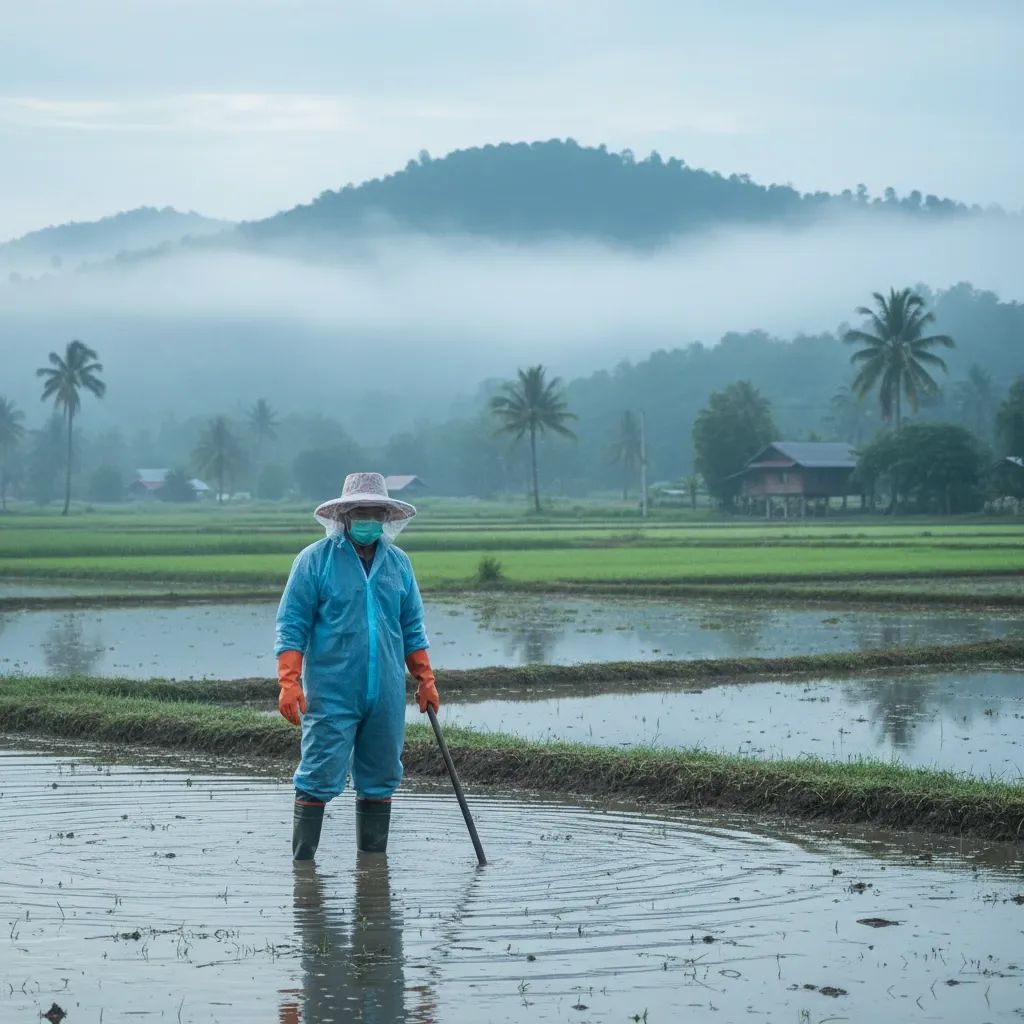
Avoid direct soil and water contact whenever possible, particularly in rural and flooded areas. If you must work in fields or gardens, wear waterproof boots, long pants, and rubber gloves to create a physical barrier. Construction workers and landscapers should treat these as non-negotiable.
Wound care is non-negotiable. Any cut, scrape, or abrasion must be cleaned immediately with soap and potable water, disinfected with antiseptic, and covered with a waterproof bandage. Open wounds are the primary entry point for the bacterium—never wade through standing water or work in soil with exposed injuries.
Respiratory precautions matter. When handling dry soil, especially during windy conditions or when using high-pressure water hoses, wear an N95 or surgical mask to prevent inhalation of contaminated dust particles.
Water and food safety cannot be overlooked. Drink only boiled, filtered, or bottled water. Avoid raw vegetables that may have been washed in untreated water, and ensure all produce is thoroughly cooked. Farmers should never drink directly from irrigation channels or rainwater cisterns without treatment.
Chronic disease management is a frontline defense. Diabetics must monitor blood glucose rigorously, as hyperglycemia dramatically increases susceptibility. The government warns against traditional herbal remedies—"ya tom," "ya mo," or folk medicine capsules—which may contain undisclosed steroids that suppress immune function.
Treatment Requires Patience and Discipline
Once diagnosed, melioidosis demands a two-phase antibiotic regimen lasting months. The initial intensive phase involves intravenous ceftazidime for 10-14 days, sometimes longer if abscesses have formed in organs, bones, or joints. Severe cases may require surgical drainage.
The second eradication phase switches to oral trimethoprim-sulfamethoxazole for 3-6 months to prevent relapse, a risk that remains significant even after symptoms resolve. Children under 8 and pregnant women receive amoxicillin-clavulanate instead. Compliance is critical—stopping antibiotics prematurely invites recurrence and potential antibiotic resistance.
The Seasonal Cycle and Climate Reality
Melioidosis cases in Thailand follow a predictable seasonal arc, peaking during and immediately after the southwest monsoon from May through October. Heavy rains saturate soils, mobilizing the bacteria and increasing human exposure through flooding, agricultural activity, and contaminated water supplies.
Climate projections suggest that more intense and erratic rainfall patterns could expand both the geographic range and seasonal duration of transmission. Public health officials are monitoring whether warming trends might push the bacterium into previously unaffected highland areas.
Broader Public Health Context
While 23 deaths from 732 cases may seem modest compared to other infectious diseases, melioidosis represents a persistent, preventable tragedy. The case-fatality rate—hovering near 3% in this outbreak—understates the toll, as many rural infections likely go unreported or are misattributed to pneumonia or sepsis without confirmatory lab work.
The Thailand Ministry of Public Health continues to emphasize community education and rapid case detection, particularly in provinces like Khon Kaen where farming communities have limited access to tertiary hospitals. Mobile health units and local clinics are being trained to recognize the disease's protean manifestations.
For residents, the message is clear: respect the soil, protect your skin, control your blood sugar, and act fast when fever strikes. Soil fever is neither rare nor exotic in Thailand—it's an endemic occupational hazard that demands year-round awareness and seasonal hypervigilance. The bacteria isn't going anywhere, so adaptation and prevention remain the only sustainable strategies.


