
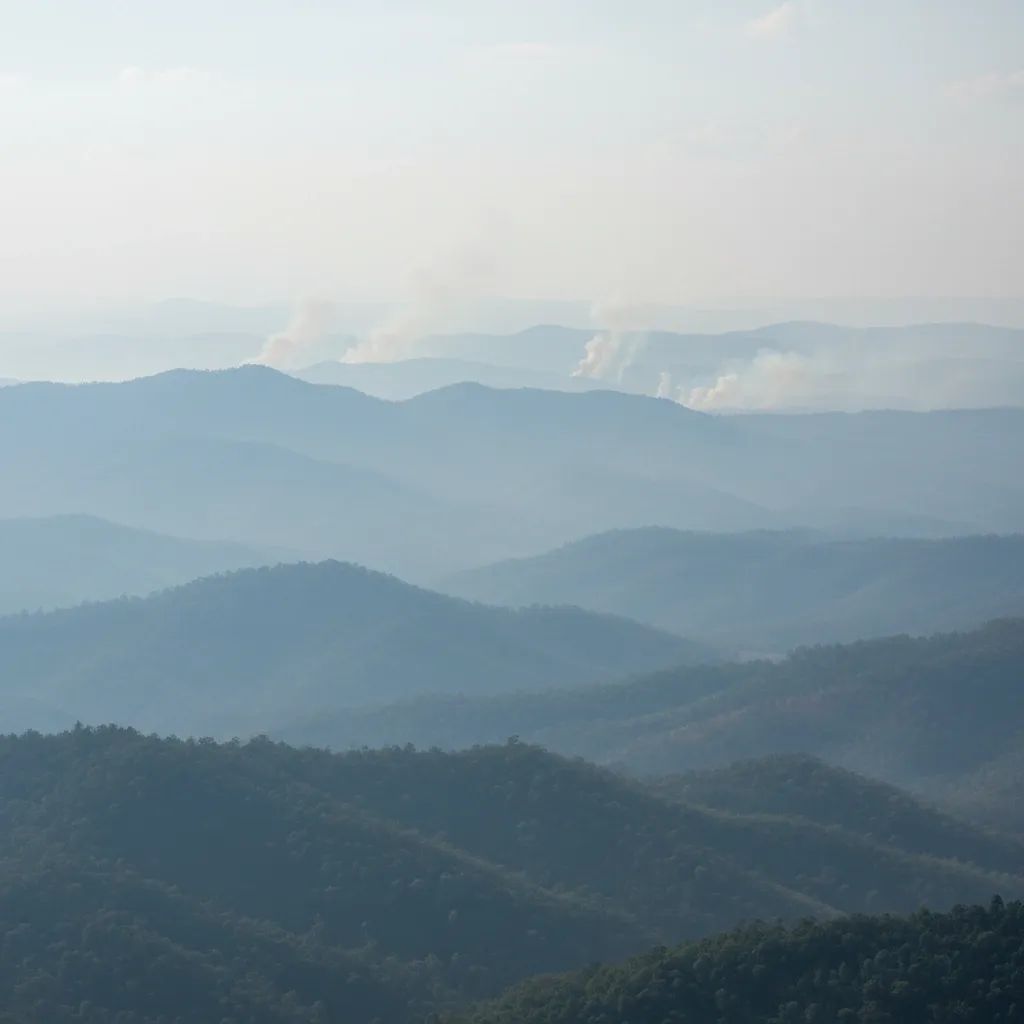
Chiang Mai has once again claimed the unenviable title of the world's most polluted city, with air quality reaching very unhealthy levels as fires burn through forests and farmland across northern Thailand.
The toxic haze blanketing the region stems from agricultural burning and forest fires. Farmers burn crop residue to clear land ahead of the planting season, while fires spread across mountainous terrain. The combination creates hazardous air quality that affects residents, visitors, and the region's economy.
The geography of northern Thailand—with its valley formations and basin structures—traps particulate matter, preventing it from dispersing naturally. Wind patterns during the dry season do little to clear the air. Additionally, cross-border pollution drifting from Myanmar and Laos adds to the problem, creating pollution sources that Thai authorities cannot directly control.
For residents and visitors in Chiang Mai, the impact is immediate and serious. Those who can afford to leave the region often do so during peak burning season. Schools and businesses face disruptions. Healthcare facilities experience increased demand from residents experiencing respiratory issues.
The burning season follows a predictable pattern. Air quality typically improves when monsoon rains arrive, bringing relief to northern Thailand and allowing life to gradually return to normal.
Addressing this recurring crisis requires tackling multiple challenges: finding alternatives to agricultural burning, improving cross-border coordination, and increasing enforcement capacity. Until structural changes occur, residents of Chiang Mai can anticipate the annual return of hazardous air quality and the disruptions that follow.


