
The Thailand capital has wrapped up the first major day of Songkran 2026 water festivities with 86.32 tonnes of waste collected from celebration zones across the city—a stark reminder that the nation's most cherished cultural festival comes with a mounting environmental price tag for those who call the kingdom home.
Why This Matters
• Waste burden: General refuse accounted for 71 tonnes (82%) of total collections, with Silom Road alone generating 28.73 tonnes on the opening day.
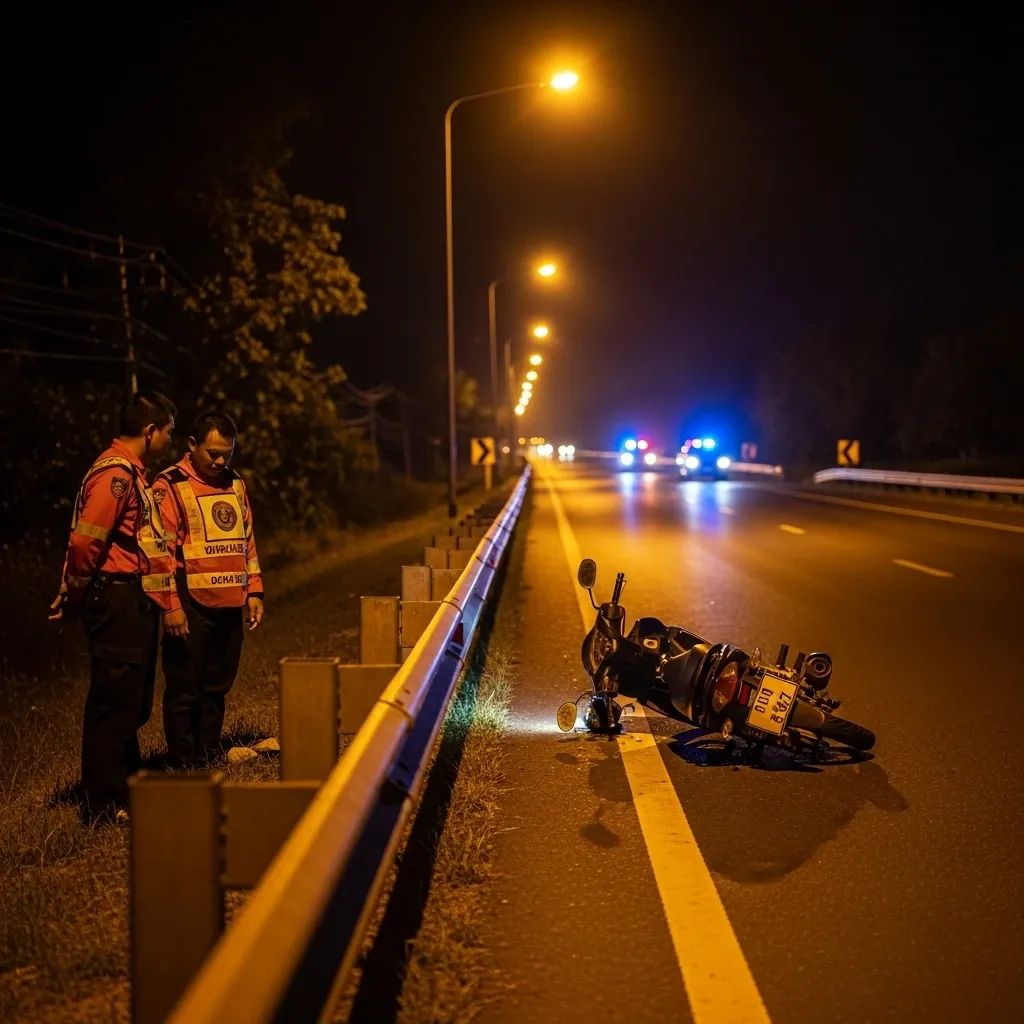
• Safety toll: Nationwide, the holiday period from April 10–14 has claimed 191 lives in traffic accidents, with Bangkok recording the highest fatalities.
• Behavioral patterns: Drink-driving represented 94% of probation cases entering the justice system, with Chiang Mai province leading the nation.
• Tourism surge: Over 650,000 participants flooded Silom Road across three days, while rail systems logged 1.23 M trips on April 13 alone—13% above forecasts.
The Environmental Cost Hidden in the Celebrations
The Bangkok Metropolitan Administration (BMA) has been tracking the ecological footprint of Songkran with increasing urgency. On April 13, as throngs of revelers armed themselves with water guns and buckets, the city's waste collection infrastructure went into overdrive. The breakdown reveals a troubling consumption pattern: 70.77 tonnes of general waste, 11.16 tonnes of food scraps, and just 4.39 tonnes of recyclables—a recycling rate barely clearing 5%.
Three hotspots dominate the waste map: Silom Road, the epicenter of Bangkok's tourist-driven water battles, generated the lion's share at nearly 29 tonnes. Khao San Road followed with 17.2 tonnes, while the upscale Iconsiam district contributed 6.87 tonnes. These figures represent only the first day of a multi-day celebration—last year's Songkran produced 141.4 tonnes of refuse on Khao San Road over just three days. Current projections suggest total festival waste could easily eclipse 200 tonnes across the capital.
The BMA's "Spread Happiness, Go Green" initiative aims to chip away at the plastic problem by collecting used water guns for conversion into Naphtha, a recyclable feedstock. Between April 11–13, authorities gathered 250 plastic squirt guns, with 183 collected on the peak day alone. While symbolically important, the effort barely scratches the surface of the scale of waste generated during this period.
Water consumption presents an equally daunting challenge. The Bangkok Metropolitan Region sees daily usage spike by an estimated 100,000 cubic meters during the festival—enough to fill 40 Olympic swimming pools. This surge occurs during Thailand's hottest month, when temperatures routinely exceed 40°C and drought conditions linger in several provinces. Authorities have pushed the "5 P's" campaign (no large water guns, no alcohol, no revealing clothing, no powder, and water conservation), yet enforcement remains patchy in tourist zones where commercial interests clash with sustainability goals.
The Human Toll: Roads, Rails, and Risk
The Thailand Department of Probation reported that 3,961 cases entered the justice system during the April 10–14 window, with 3,726 involving drunk drivers. Chiang Mai province recorded the highest count at 651 drink-driving cases, followed by Samut Prakan (317) and Nonthaburi (266). Drug-impaired driving accounted for 230 cases (5.8%), while reckless driving and street racing barely registered.
The reality on Thailand's roads materialized in 191 confirmed deaths from traffic accidents over the same five-day span. Bangkok led the casualty count, underscoring how the capital's dense urban sprawl amplifies risk when millions of residents and tourists converge on celebration zones. Chonburi Governor Naris Niramarnwong inspected safety checkpoints near Big C South Pattaya, where mixed teams of police, medical personnel, and rescue crews worked 10-hour shifts from April 10–16, yet fatalities continued despite safety measures.
Transportation infrastructure strained under unprecedented demand. The Thailand Department of Rail Transport logged 1.23 M trips nationwide on April 13 alone—13% above initial projections—with the bulk concentrated on Bangkok's Green Line, which connects Siam Square and Silom Road festival zones. The Gold Line exceeded expectations by 45% thanks to events at Iconsiam. Intercity rail carried over 82,000 passengers, prompting the State Railway of Thailand to deploy extra trains from Nakhon Ratchasima, Yala, and Chiang Mai on April 14 as revelers reversed their exodus.
At Bali Hai Pier in Pattaya, queues snaked across parking lots from dawn as tourists scrambled for ferries and speedboats to Koh Larn island. Operators added emergency runs to handle the overflow, while city police and tourist officers managed crowd flow under relentless heat that pushed the mercury past 38°C.
What This Means for Residents
For those living in Thailand, Songkran 2026 crystallizes a recurring dilemma: how to preserve a UNESCO-recognized cultural tradition while mitigating its modern excesses. The festival's economic windfall is undeniable—hotels, restaurants, and transport operators post their strongest revenues of the year—yet the environmental and public health costs are increasingly borne by local communities long after tourists depart.
Waste management burdens fall squarely on municipal budgets. Bangkok's sanitation crews work double shifts during the festival, clearing streets at night only to see them buried again by noon. The recycling rate of 5% suggests that nearly all collected material ends up in landfills, many of which are nearing capacity. Residents in districts adjacent to party zones report overflowing bins, foul odors, and pest infestations in the festival's aftermath.
Water stress is less visible but equally consequential. The 100,000-cubic-meter daily spike occurs when reservoirs are at seasonal lows. While Bangkok's supply remains stable, residents in outlying provinces—particularly in the drought-prone northeast—face tighter rationing. The disconnect between tourist-driven consumption in the capital and scarcity elsewhere fuels concerns about resource allocation.
Road safety remains the festival's deadliest legacy. With 191 deaths over five days, Songkran 2026 continues Thailand's recurring problem of holiday-period fatalities. For families, the holiday carries an omnipresent anxiety: will everyone return home intact? The 94% drink-driving rate among probation cases reveals enforcement gaps, particularly on secondary roads where checkpoint coverage thins. Motorcycle riders—often helmetless young men—account for the majority of fatalities.
Public health risks extend beyond traffic trauma. Contaminated water used in street battles can harbor bacteria and pathogens, leading to eye infections (especially among contact-lens wearers), skin rashes, and respiratory ailments. The Thailand Pollution Control Department reported that 15 of 65 monitored water sources showed degraded quality in urban and industrial zones, yet enforcement of water-quality standards in party zones remains minimal. Heat-related illnesses spike as participants spend hours outdoors in 40°C temperatures, often with inadequate hydration.
Cultural Pride Meets Global Stage
The Thailand Ministry of Culture leveraged Songkran 2026 to project soft power, enlisting 42 embassies worldwide to film promotional videos under the theme "Once in a Lifetime: Experience Songkran in Thailand." Diplomats from the United States, China, Japan, France, and Germany donned traditional Thai silk garments and filmed greetings now circulating on the ministry's YouTube channel. This global outreach, pegged to UNESCO's recognition of Songkran as intangible cultural heritage, aims to boost tourism revenue and national pride.
At home, the ministry designated five "key cities"—Chiang Mai, Khon Kaen, Chonburi, Samut Prakan, and Nakhon Si Thammarat—as celebration hubs, while promoting 13 must-visit destinations including Phuket and Chiang Rai. The "Proud to Wear Thai Attire" campaign encouraged residents to don traditional dress throughout April, blending cultural preservation with commerce.
Yet the tension between tradition and spectacle grows sharper each year. The original Songkran ritual—a solemn water blessing for elders, temple visits, family reunions—has been eclipsed by street parties where high-pressure water guns and alcohol fuel multi-day bacchanals. The festival's commercialization raises concerns about cultural preservation among some residents, while for urban dwellers and the tourism industry, it represents economic vitality and global branding.
The Weather Wildcard and What's Next
The Thailand Meteorological Department issued warnings for April 16–17, predicting summer storms across the upper country as a high-pressure system from China collides with residual heat. Pattaya and eastern regions face thunderstorms, strong winds, and possible hail—a sudden shift from the oppressive heat that defined the opening days. Authorities urged beachgoers and island-hoppers to monitor forecasts, though enforcement of water-activity bans remains inconsistent.
Suvarnabhumi Airport ramped up security with Tourist Police and multilingual interpreters stationed throughout terminals, promoting the Thailand Tourist Police app for 24-hour assistance. The initiative targets both arriving tourists and returning residents navigating one of Asia's busiest hubs during peak travel season.
As Songkran 2026 winds down, the Thailand government faces mounting pressure to reconcile the festival's economic benefits with its environmental and safety costs. Proposals circulating in policy circles include stricter enforcement of water-source regulations, expanded plastic bans, higher penalties for drink-driving, and designated "quiet zones" for residents who opt out of festivities. Whether authorities muster the political will to implement such measures—risking backlash from tourism operators and revelers—remains the kingdom's recurring Songkran question.


