
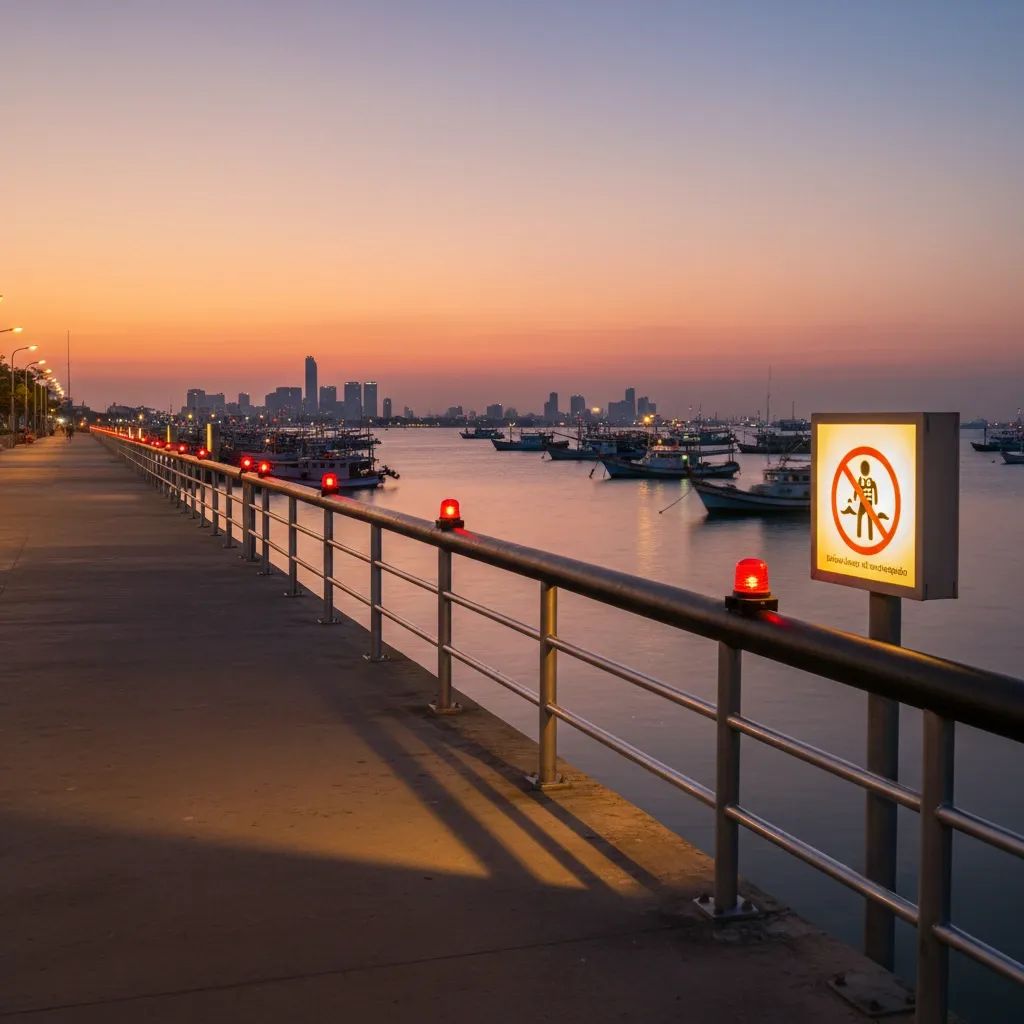
Thailand's Jomtien municipal officers responded late Tuesday night to a foreign national who sustained a head wound after falling from an elevated area near Ziggy Pier on Pratumnak Road Soi 5, Pattaya—an incident that highlights broader concerns about alcohol-related accidents in the resort city's waterfront zones. Despite visible injuries, the man declined all medical care and refused transport to a hospital, a decision that left rescue teams from the Sawang Boriboon Foundation unable to provide further assistance.
Why This Matters for Residents
For expatriates and long-term residents in Pattaya, incidents like the Ziggy Pier fall underscore an important reality about emergency response in Thailand. Thai law does not permit medical personnel to forcibly transport conscious adults who refuse treatment, even when injuries appear serious. This leaves bystanders, hotel staff, and even fellow tourists in a legal gray zone when attempting to assist intoxicated foreigners. Insurance claims can also be complicated or denied outright if the policyholder is found to have been under the influence at the time of injury.
Pratumnak, a hillside enclave between Pattaya City and Jomtien Beach, has become a magnet for boutique hotels, serviced apartments, and high-end dining. Its proximity to waterfront venues like Ziggy Pier makes it a popular late-night destination, but the area's steep slopes, uneven pavements, and poorly lit staircases present genuine hazards for anyone whose judgment is impaired. Municipal officers have repeatedly warned that the topography itself—combined with alcohol consumption—creates conditions for preventable accidents.
Broader Context: Alcohol-Related Incidents in Pattaya
This incident occurs against a backdrop of several alcohol-related emergencies that have affected Pattaya in recent weeks. Earlier incidents included a Chinese national who caused a public disturbance outside a nightclub in South Pattaya while heavily intoxicated, a Dutch tourist who suffered injuries in an accident on Pratumnak Hill, and a British man whose motorbike accident on Nong Mueang Road in Bang Lamung District proved fatal. While police reports have not confirmed intoxication in all cases, these incidents underscore the real risks associated with Pattaya's nightlife environment.
Safety Initiatives and Emergency Response
Pattaya City authorities have implemented a multi-agency safety framework aimed at reducing tourist casualties, particularly around Bali Hai Pier, the city's primary ferry terminal for island excursions. During the Songkran festival, Thailand Tourist Police, the Marine Department, and Pattaya Municipal Police conducted mandatory breathalyzer tests on boat operators at departure points. The campaign included strict life jacket compliance, passenger load monitoring, and real-time weather alerts using red flag warnings to ground small craft during high winds.
On land, Pattaya Municipal officers and volunteers from the Civil Defense Volunteer Corps (CDVC) conduct nightly patrols in entertainment districts. Their mandate includes waking and relocating intoxicated individuals found sleeping on sidewalks or near traffic, issuing verbal warnings, and in cases of violent or destructive behavior, detaining individuals until they sober up for formal police processing. Bilingual warning signs in Thai and English have been erected at known risk points, cautioning visitors about unsafe behavior near cliffs, piers, and construction zones.
Legal and Regulatory Context
Thailand's Alcoholic Beverage Control Act of 2025 (Article 32) has prompted debate among bar owners and hospitality operators in Pattaya. The law technically prohibits drinking in certain public spaces, including beaches, raising concerns that tourists could face fines or enforcement action for activities that were previously tolerated. While implementation has been inconsistent, the statute gives police discretion to intervene when public intoxication leads to safety hazards.
Practical Guidance for Expats and Tourists
Thailand Tourist Police operate a 24-hour hotline at 155 for emergencies and complaints in multiple languages, including English, Chinese, and Russian. For residents and repeat visitors, it is important to note that refusal of treatment after an accident can create complications if symptoms worsen later—head injuries in particular can involve delayed bleeding or swelling that may not be immediately apparent.
Pattaya's safety profile reflects low violent crime risk but elevated hazards from traffic, petty theft in crowded nightlife zones, and alcohol-related incidents. Expatriates should remind visiting friends and family that pier areas, especially after dark, lack the guardrails, lighting, and surveillance common in Western waterfronts. Pratumnak Hill's steep inclines and the absence of continuous sidewalks make navigation challenging.
Insurance providers increasingly scrutinize claims involving alcohol, and some policies exclude coverage entirely if blood alcohol levels exceed legal thresholds. For those on long-term visas or work permits, a drunk-and-disorderly arrest can trigger immigration reviews or affect visa renewals. Thai authorities have made clear that repeat offenders, particularly those who refuse to cooperate with emergency responders or police, will face escalating consequences.


