
Global equity markets have tumbled while crude prices jumped sharply as the conflict between Iran and regional adversaries widens, forcing investors in Thailand to reconsider positions in energy stocks and export-dependent sectors.
Why This Matters for Thailand
• Oil prices surging on supply disruption fears, directly impacting fuel costs across Thailand's transport and manufacturing sectors
• Energy stocks under pressure as Middle East instability spreads uncertainty through regional markets
• Baht volatility likely as risk-off sentiment drives capital flows toward safer currencies
Market Reaction
The Stock Exchange of Thailand (SET) has mirrored the global downturn as investors digest widening Middle East tensions. The involvement of Houthi militants in the regional confrontation has intensified concerns about potential supply chain disruptions.
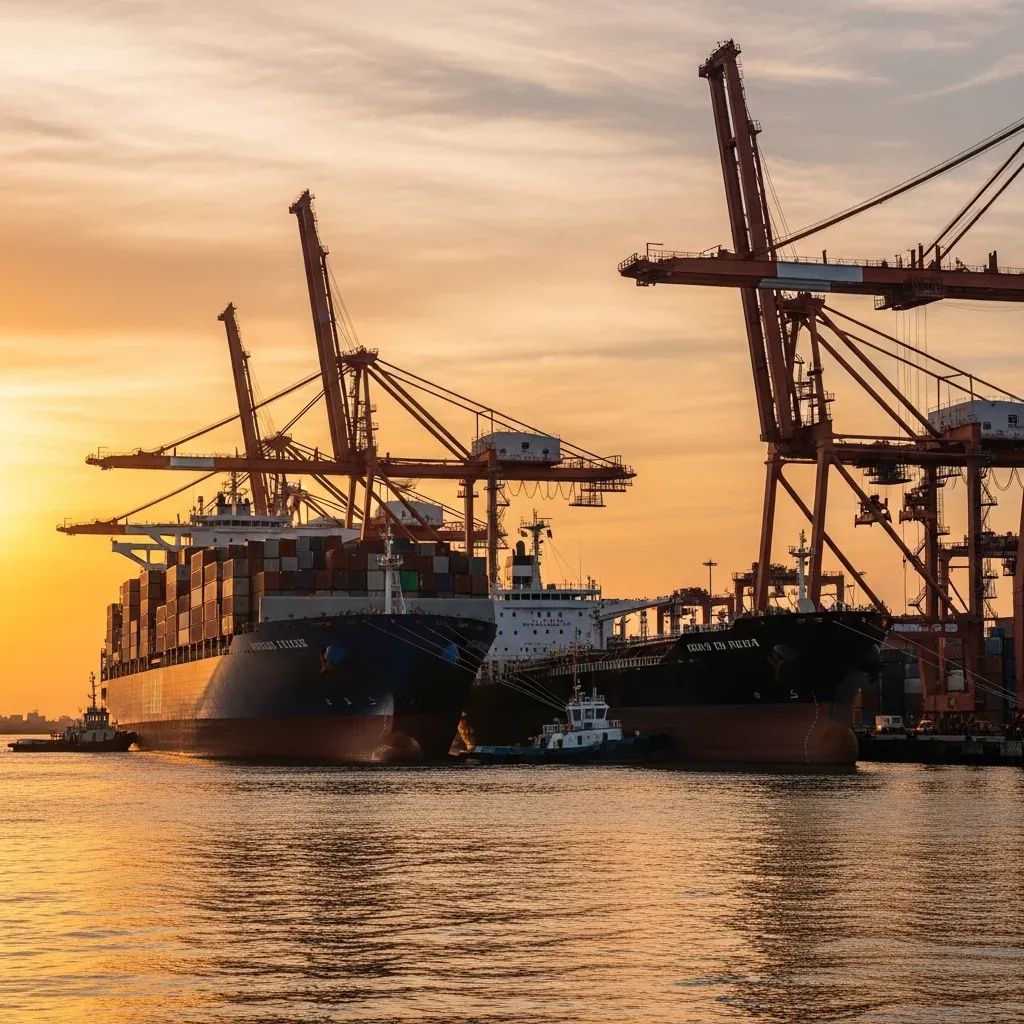
Crude benchmarks have rallied sharply as traders price in the possibility of supply disruptions. Brent futures and West Texas Intermediate have both climbed, signaling market anxiety over a critical oil transit corridor. For Thailand, which depends heavily on energy imports, the immediate consequence is upward pressure on diesel and gasoline pump prices—costs that ripple through logistics, agriculture, and household budgets.
The United States has reinforced its military presence in the region, deploying additional naval and air defense assets. While intended to deter escalation, this move has signaled to markets that Washington expects a prolonged standoff, potentially threatening commercial shipping lanes.
What This Could Mean for Thailand Residents
Investors should expect continued volatility. Energy sector holdings could face divergent pressures: upstream producers may benefit from higher prices, while downstream refiners and transport companies could face margin compression from rising input costs.
The Thai baht has weakened modestly against the dollar as global risk appetite fades. For expatriates earning in baht but holding dollar-denominated assets, this creates a potential hedge; for those planning international travel or paying tuition abroad, purchasing power could erode.
Fuel prices are a politically sensitive issue in Thailand. The government has historically deployed price caps and relief measures when global crude surges, but the fiscal cost can be substantial. Analysts expect difficult tradeoffs between cushioning consumers and maintaining budget discipline.
Broader Economic Implications
Thailand's export-oriented economy could face secondary effects from prolonged energy cost elevation. The kingdom's manufacturing sector, a significant contributor to national output, relies on stable energy costs to remain competitive in global supply chains. Higher crude prices could squeeze margins for automotive, electronics, and petrochemical producers.
Tourism could also feel indirect effects. While Middle East visitors represent a smaller segment, broader geopolitical anxiety typically dampens long-haul travel demand. Higher jet fuel costs may prompt airlines to raise fares, potentially affecting the tourism recovery.
Financial advisers are counseling clients to monitor portfolio exposure carefully. Defensive sectors such as consumer staples and utilities typically weather geopolitical uncertainty better than cyclical sectors like industrials and discretionary retail.
What Happens Next
The trajectory of the conflict remains uncertain. Diplomatic efforts continue, but swift de-escalation appears unlikely given the involvement of proxy forces and competing regional interests.
For Thailand, the challenge is managing the potential economic impact of higher energy costs while monitoring developments that could shift market conditions. Investors should maintain diversified portfolios, prioritize liquidity, and stay informed on breaking developments that could affect market risk.


