
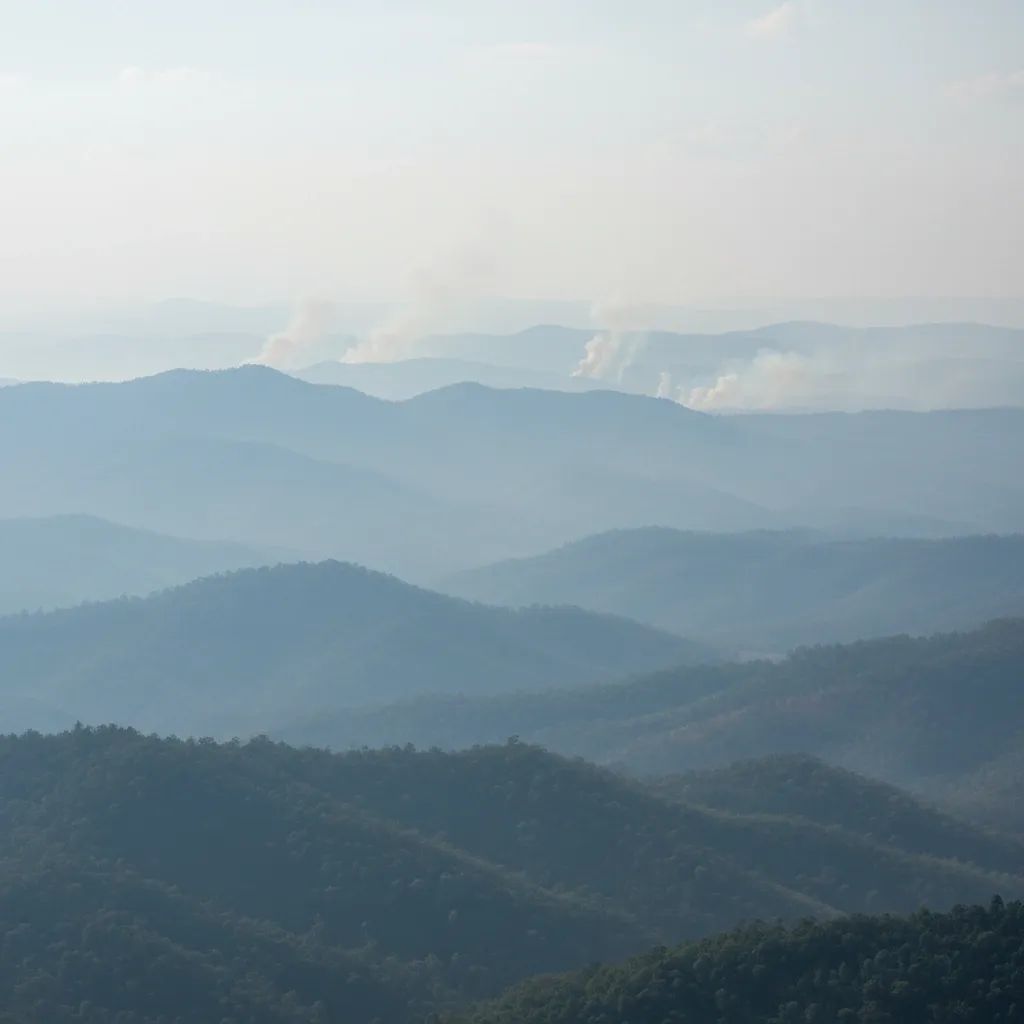
The Thailand Air Pollution Mitigation Center reports that Chiang Rai province has recorded a staggering PM2.5 reading of 193.2 micrograms per cubic meter as of 7:00 AM today—a level that places the northern province at the epicenter of the country's most severe air quality emergency this season and poses immediate health risks to all residents.
Why This Matters
• Health hazard threshold exceeded by nearly 400%: The reading is more than quadruple Thailand's safe standard, placing everyone—not just vulnerable groups—at risk.
• Immediate health threat: Sustained PM2.5 exposure at current levels poses significant risks to respiratory and cardiovascular health, with research demonstrating that prolonged exposure to this level of pollution increases serious health complications.
• Movement restrictions in place: Authorities have issued urgent guidance to avoid all outdoor activities; those who must go outside are required to wear N95-grade masks.
• Cross-border pollution complicates control: Despite reduced local hotspot activity, transboundary haze from neighboring countries continues to flood the region, limiting the effectiveness of domestic containment efforts.
Northern Thailand Suffocates Under Toxic Blanket
Throughout April 2026, air quality across Northern Thailand has deteriorated sharply. Monitoring stations across Chiang Rai recorded readings between 121.2 and 229 micrograms per cubic meter on various dates this month, with today's 193.2 figure representing one of the most sustained peaks. On April 16, the province's Air Quality Index (AQI) hit 163—classified as "unhealthy"—with PM2.5 at 84 micrograms per cubic meter. By the following morning, conditions had more than doubled in severity.
AccuWeather data for Mueang Chiang Rai District on April 17 showed a PM2.5 AQI of 229, equivalent to 125 micrograms per cubic meter, categorized as having "significant health effects." Earlier in the month, on April 2, IQAir reported the city's US AQI at 272, with PM2.5 at 197 micrograms per cubic meter—a level that triggers health warnings for the entire population.
The Thailand Air Pollution Mitigation Center has identified 39 provinces currently exceeding safe PM2.5 thresholds, with readings across the north ranging from 56.7 to 228.8 micrograms per cubic meter. The center projects that conditions will continue to worsen through April 23, driven by stagnant air masses, ongoing wildfire activity, and the region's basin topography, which traps pollutants close to ground level.
What This Means for Residents
For anyone living in or traveling through Chiang Rai, the implications are immediate and serious. PM2.5 is classified as a Group 1 carcinogen by the World Health Organization, meaning prolonged exposure is proven to cause cancer. At current levels, residents face acute risks including eye irritation, nasal discomfort, persistent coughing, and difficulty breathing. Hospitals across the province have reported a sharp uptick in respiratory cases, with emergency departments seeing increased admissions for asthma exacerbations, bronchitis, and pneumonia.
Vulnerable populations—children, the elderly, and those with chronic illnesses—are at heightened risk. Health authorities have intensified monitoring and support for these groups through various health initiatives and field services. Authorities have distributed medical-grade masks and established clean-air shelters in schools, community centers, and government buildings where residents can seek temporary refuge from toxic air.
For those unable to avoid outdoor exposure—construction workers, street vendors, delivery drivers—the use of properly fitted N95 or equivalent respirators is now mandatory. Standard cloth or surgical masks provide virtually no protection against PM2.5 particles, which are 30 times smaller than the width of a human hair and penetrate deep into lung tissue and the bloodstream.
Wildfire Enforcement and Border Challenges
Chiang Rai Provincial Administration has implemented aggressive wildfire prevention measures. A total burn ban covering all open-air combustion—agricultural waste, forest clearing, and household burning—remains in effect from February 14 through May 10, 2026. Violators face strict penalties under existing environmental and forestry laws, particularly for fires set in protected forest zones and Class 1 or 2 watershed areas.
Patrol units equipped with drones conduct 24-hour surveillance across high-risk zones to enforce compliance with the National Parks Act. Despite these efforts, the province's geographic reality complicates control. Chiang Rai's location along the Mekong River basin means it absorbs pollution from agricultural burning and forest fires in Myanmar, Laos, and southern China—sources beyond the reach of Thai law enforcement.
To address this challenge, Chiang Rai officials have escalated diplomatic efforts with neighboring countries through regional coordination mechanisms to manage cross-border air quality issues. However, these diplomatic channels require time, and immediate relief remains unlikely until weather patterns shift or regional burning activity subsides.
Health System Response and Long-Term Strategy
The province's health infrastructure is working to manage the crisis. In addition to mask distribution and clean-air shelters, health authorities have expanded support for vulnerable populations, including enhanced telemedicine services and medication delivery where feasible. For patients unable to reach clinics, expanded outreach services have been deployed.
Schools across the province are on alert. Administrators have been instructed to monitor air quality hourly and are empowered to suspend outdoor activities, modify class schedules, or close entirely if PM2.5 levels remain hazardous for consecutive days. Several schools have adopted measures to reduce air quality impacts on students during the crisis period.
Chiang Rai's long-term response includes strategies targeting pollution sources across agriculture, transport, and industry. These initiatives include promoting alternative farming methods to reduce open burning, and advancing legislative and regulatory efforts to strengthen air quality management and emissions control across the province.
What Residents Should Do Now
The Thailand Office of Environment and Pollution Control Region 1 has issued the following guidance for all residents in affected areas:
• Avoid all outdoor activities unless absolutely necessary. Reschedule exercise, social gatherings, and non-essential errands.
• Use N95 or equivalent respirators when outdoor exposure is unavoidable. Ensure masks fit tightly with no gaps around the nose and mouth.
• Keep windows and doors closed. Use air purifiers indoors if available; improvised solutions such as box fans with HEPA filters can provide some benefit.
• Monitor symptoms closely. Seek medical attention immediately if experiencing shortness of breath, chest pain, severe coughing, or dizziness.
• Check daily air quality updates via the Air4Thai app or regional monitoring websites before planning any outdoor activity.
• Employers are urged to implement work-from-home policies wherever feasible during the crisis period.
For residents seeking additional relief measures, the province remains prepared to request support from national agencies as meteorological conditions permit, though current atmospheric conditions make such operations unlikely in the immediate term.
Basin Geography Traps Pollution
Chiang Rai's air crisis is exacerbated by its basin topography, which acts as a natural trap for particulate matter. During the dry season, weak wind patterns and high-pressure systems prevent pollutants from dispersing, creating a lid effect that concentrates PM2.5 at ground level. This geographic disadvantage, combined with the seasonal convergence of agricultural burning cycles across the Mekong region, creates a perfect storm for hazardous air quality each spring.
The Thailand Meteorological Department forecasts that conditions are unlikely to improve significantly until late April or early May, when the onset of the southwest monsoon brings rain and stronger winds capable of dispersing accumulated pollutants. Until then, residents face at least one to two more weeks of unhealthy to hazardous air quality.
Regional Context and National Concern
While Chiang Rai is bearing the brunt this week, the crisis extends across much of Northern Thailand. Provinces including Chiang Mai, Mae Hong Son, Lampang, and Phayao are all registering PM2.5 levels well above safe thresholds. The Thailand Air Pollution Mitigation Center reports that the regional average PM2.5 concentration has ranged from 51.2 to 188.7 micrograms per cubic meter throughout April, with projections indicating elevated readings will persist through the third week of the month.
This year's pollution season has proven particularly stubborn, with fewer weather disruptions and higher cross-border fire activity than in recent years. While complete comparative data for 2026 versus 2025 will not be available until year-end, observations suggest that 2026 may rank among the challenging air quality years for Northern Thailand, driven by a combination of prolonged dry conditions, delayed monsoon onset, and intensified agricultural burning across the greater Mekong subregion.


