
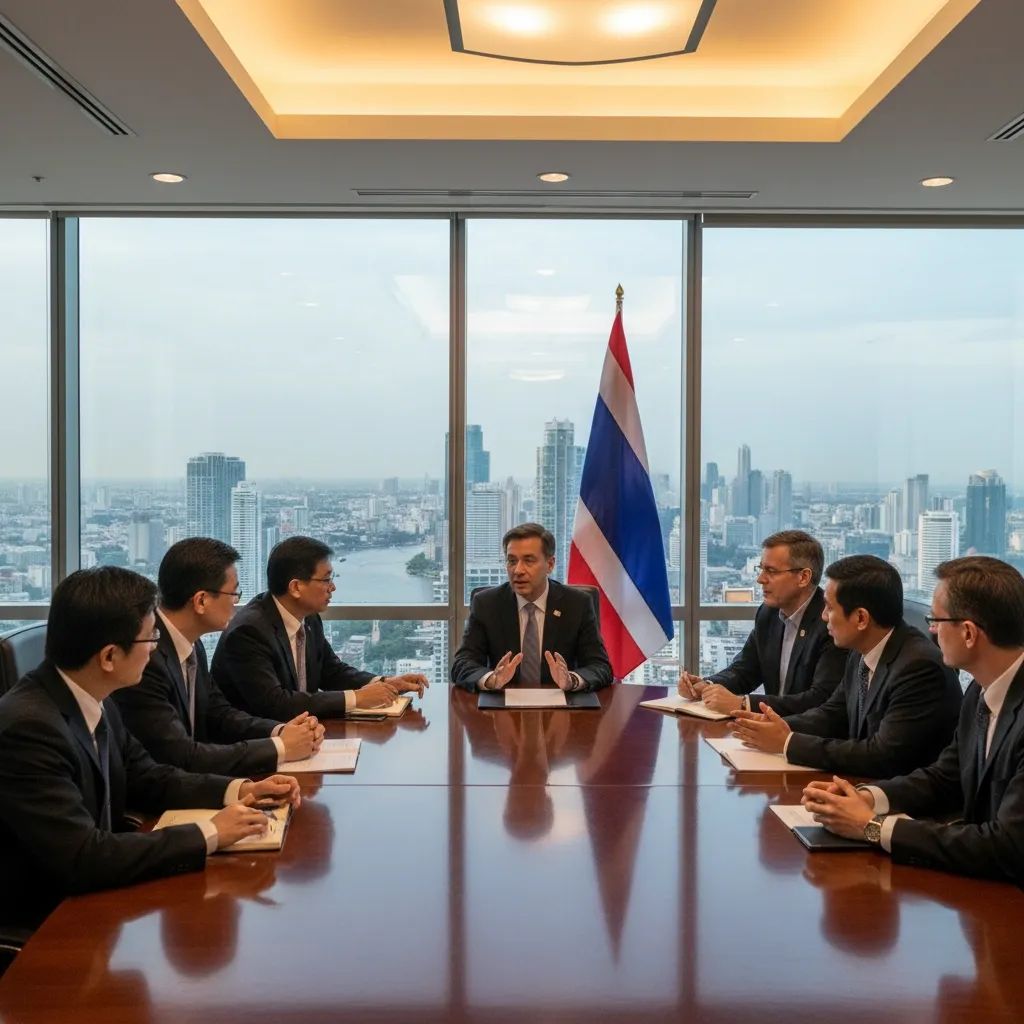
The Thailand Cabinet has authorized a formal bid to put forward a candidate for the World Health Organization's top leadership position, launching a coordinated effort between the Public Health Ministry and the Ministry of Foreign Affairs to identify someone capable of competing on the global stage for one of the most influential roles in international health governance.
Why This Matters
• Nomination deadline: September 24, 2026 — Thailand has less than five months to vet, select, and formally propose a candidate to WHO headquarters.
• Regional prestige at stake — A successful Thai nominee would give Southeast Asia its first WHO Director-General in the organization's 78-year history.
• Policy influence — The next Director-General will shape pandemic preparedness, vaccine equity, and health financing rules that directly affect Thailand's healthcare system through 2032.
The Global Race for WHO Leadership
The position of WHO Director-General carries a five-year term beginning August 16, 2027, overseeing a $6.8B annual budget and setting the global health agenda for 194 member states. Current Director-General Dr. Tedros Adhanom Ghebreyesus will complete his second term in mid-August after leading the organization through COVID-19, leaving behind a contested legacy on pandemic response and China relations.
At least 12 countries are reportedly vetting candidates, according to diplomatic sources tracking the race. Publicly confirmed contenders include Indonesia's Health Minister Budi Gunadi Sadikin, UK Chief Scientist Jeremy Farrar, Germany's Helge Braun, and regional directors from WHO's European and Eastern Mediterranean offices. Spain and Qatar have also signaled intent to nominate candidates, making this one of the most crowded director-general contests in recent memory.
The WHO Executive Board, which includes Thailand as a member through 2027, will screen all nominations in early 2027 and select up to three finalists. The Eightieth World Health Assembly will make the final appointment in May 2027 through a decisive vote among member states.
How Thailand's Selection Process Works
A joint committee of six members — three appointed by the Public Health Ministry and three by the Foreign Ministry — will evaluate potential Thai nominees against nine strict criteria outlined in WHO resolution WHA65.15. The framework demands candidates demonstrate a strong technical background in public health, extensive international experience, and proven leadership in organizational management.
Additional requirements include excellent communication and advocacy skills, sensitivity to cultural and political differences across diverse member states, commitment to WHO's mission, good health, and fluency in at least one official working language of the Executive Board and World Health Assembly (Arabic, Chinese, English, French, Russian, or Spanish).
Candidates must also submit a vision statement outlining their priorities, perceived challenges facing global health governance, and strategic proposals for the organization's next five-year cycle. This document becomes a key diplomatic tool as member states weigh their support.
Public Health Minister Pattana Promphat confirmed on Saturday that his ministry is leading the search with diplomatic and public relations support from the Foreign Ministry and other relevant agencies. No specific names have been disclosed as the vetting process remains in its early stages.
What This Means for Regional Health Governance
Thailand's bid reflects a broader ambition to elevate its profile in multilateral health institutions at a time when pandemic preparedness, antimicrobial resistance, and climate-related health threats dominate global policy debates. The country has long positioned itself as a regional leader in universal health coverage, traditional medicine integration, and infectious disease surveillance.
A successful Thai nominee would give Southeast Asia unprecedented influence over WHO priorities, potentially shifting resources and attention toward tropical diseases, health workforce migration challenges, and pharmaceutical access issues that disproportionately affect middle-income countries in the region.
However, Thailand faces stiff competition from Indonesia, whose candidate holds a strong regional profile and the backing of the world's fourth-most populous nation. European candidates traditionally benefit from institutional familiarity with WHO's Geneva headquarters and established diplomatic networks among member states.
The Diplomatic Challenge Ahead
Beyond identifying a qualified candidate, Thailand must mobilize diplomatic capital to secure votes from WHO's diverse membership. Regional blocs in Africa, Latin America, and the Pacific will play decisive roles in the final vote, requiring sustained engagement from Thai embassies and bilateral health partnerships.
The Ministry of Foreign Affairs will coordinate lobbying efforts, leveraging Thailand's participation in ASEAN health initiatives, its role as a vaccine manufacturing hub during COVID-19, and its longstanding contributions to WHO technical programs. The country's reputation for pragmatic diplomacy and non-alignment in geopolitical disputes could prove advantageous in a contested race.
Past WHO director-general elections have turned on unexpected alliances and late-stage coalition building. The 2017 contest saw Ethiopia's Tedros prevail over a UK candidate partly through strong African Union support and strategic endorsements from China and developing nations frustrated with Western dominance of international organizations.
Timeline and Next Steps
The September 24 deadline gives Thailand approximately 20 weeks to complete its internal selection, secure Cabinet endorsement of the final nominee, and submit formal paperwork to WHO headquarters in Geneva. This compressed timeline will test the joint committee's ability to build consensus between the Public Health and Foreign ministries, which occasionally differ on the balance between technical expertise and diplomatic experience.
Following the nomination period, the WHO Executive Board will conduct interviews and assessments in late January or early February 2027, narrowing the field to three finalists. Those candidates will then face scrutiny from member states ahead of the May 2027 World Health Assembly, where the final vote determines the next Director-General.
Thailand's success will ultimately depend on three factors: the strength of its chosen candidate against WHO's rigorous criteria, the effectiveness of its diplomatic campaign in securing regional and cross-bloc support, and the coherence of its policy vision for addressing global health challenges relevant to both developing and developed nations.
The bid represents a calculated gamble for Thailand — even an unsuccessful candidacy could enhance the country's standing in global health governance and open doors for future leadership roles in WHO regional offices, technical programs, and emergency response initiatives.


