
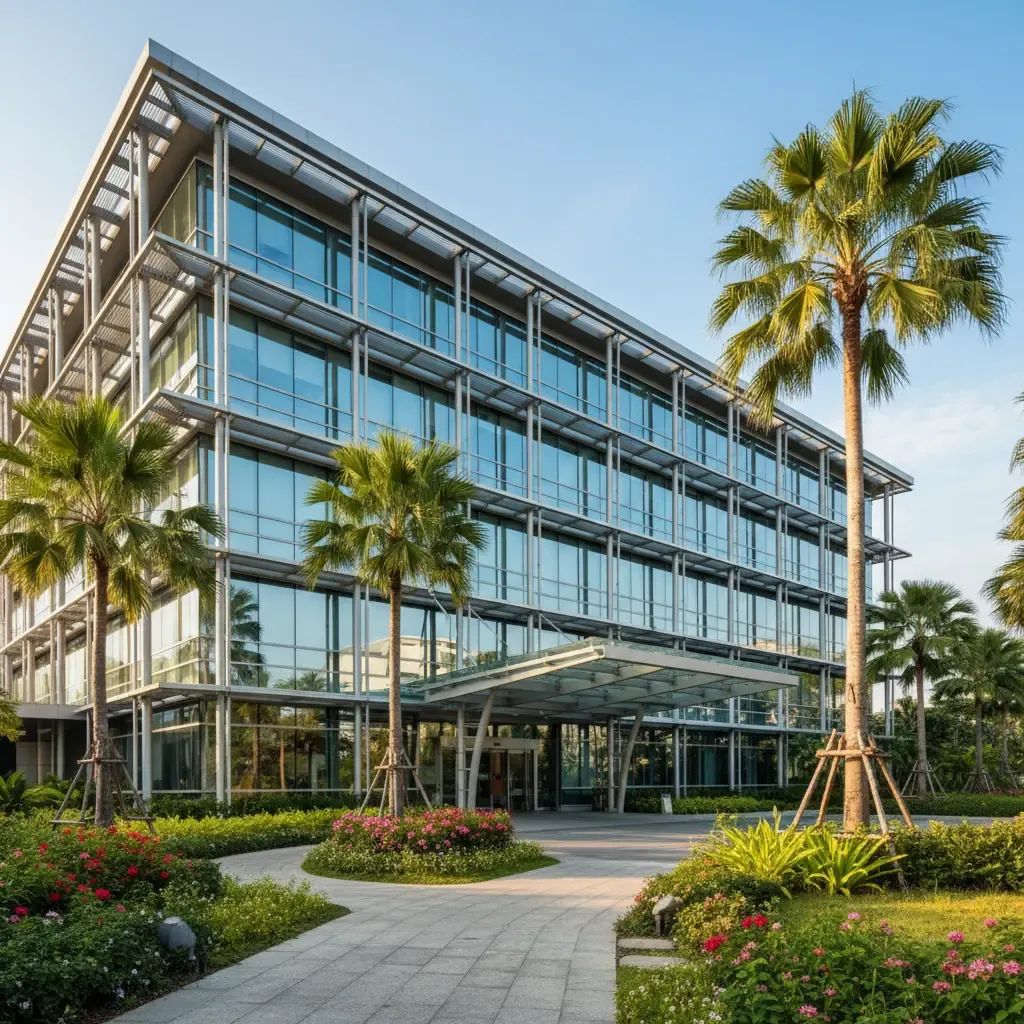
Thailand's private hospital sector is experiencing a significant surge in international patient volume as healthcare systems in North America and Europe face physician shortages and high treatment costs, positioning the kingdom as an increasingly popular destination for medical procedures.
Why This Matters
• Medical visa processing at Thai embassies has increased substantially as applications spike
• Private hospital revenues from foreign patients have grown significantly at major Bangkok facilities
• Insurance coverage is expanding for patients seeking elective procedures in Thailand
• Long-term visa holders gain access to tertiary care at substantially lower costs compared to Western pricing
The Perfect Storm Driving Patient Migration
Multiple factors in developed economies have contributed to increased medical tourism to Thailand. The United Kingdom's National Health Service reports extended wait times for non-emergency orthopedic procedures, while Canada faces physician shortages that affect healthcare access. In the United States, even insured patients face significant cost-sharing requirements for common surgeries after deductibles.
Thailand's accredited hospital network has positioned itself at the intersection of healthcare access and affordability. Major facilities like Bumrungrad International Hospital in Bangkok process substantial numbers of foreign patient visits annually, with cardiac procedures, joint replacements, and cancer treatments representing popular service categories.
The economic logic is compelling: A knee replacement that costs $35,000 in the United States runs approximately $12,000 at a JCI-accredited Thai facility, including surgeon fees, hospital stay, and post-operative physiotherapy. Even after factoring in airfare and accommodation, patients realize significant savings while avoiding lengthy queues in their home countries.
What This Means for Residents
For expatriates and long-term residents in Thailand, this medical tourism growth translates into both opportunity and considerations. On the positive side, the influx of medical tourism has driven upgrades in hospital infrastructure, expansion of specialist departments, and recruitment of internationally trained physicians. Bangkok Dusit Medical Services, a major private hospital operator, has announced facility expansions across multiple provinces, citing demand from international patients.
However, the two-tier pricing reality persists. While foreign patients pay premium rates that support hospital operations, residents with Thai identification or work permits typically access preferential "local" pricing that can be notably lower for identical procedures. Navigating this requires understanding which facilities honor residency-based pricing and which maintain strict nationality-based fee schedules.
Insurance dynamics also shift. International health plans increasingly recognize Thailand as a preferred provider destination, with some insurers now explicitly covering pre-approved procedures at Bangkok hospitals. For residents maintaining offshore insurance policies, this opens possibilities for planned surgical interventions with full coverage.
Infrastructure and Specialization Trends
The medical tourism sector is reshaping Thailand's healthcare landscape beyond Bangkok. Phuket and Chiang Mai have emerged as developing medical hubs, with hospitals targeting specific patient needs. Major hospitals have expanded specialty services while adding language capabilities to serve international patients better.
Language services have become increasingly important. Major hospitals now employ interpretation staff covering multiple languages, with specialists in highest demand. Medical concierge services have professionalized, offering airport transfers, hotel coordination, and post-discharge recovery accommodation packages that streamline the medical travel experience.
The Thailand Ministry of Public Health has supported this development through its "Medical Hub of Asia" initiative, streamlining medical visa approvals and establishing quality certification programs. Hospitals meeting enhanced standards receive government support and access to international health insurance networks.
Economic Ripple Effects
Medical tourism's economic impact extends beyond hospital operations. Medical travelers spend substantial amounts beyond direct medical costs during their stays, supporting hotels, restaurants, pharmacies, and recovery services. Family members accompanying patients add another layer of spending, with typical medical visitors staying longer than conventional tourists.
Real estate developers have responded by creating furnished rental properties near major hospital clusters, offering recovery accommodation. Areas like the Sukhumvit corridor in Bangkok now feature multiple such developments serving this market.
Pharmaceutical and medical device imports have increased correspondingly, reflecting the volume and complexity of procedures being performed. This has attracted international medical equipment manufacturers to establish regional distribution operations in Thailand, creating employment opportunities.
Challenges and Quality Concerns
Not all aspects of the medical tourism boom warrant celebration. The proliferation of clinics claiming "international standards" has created quality control challenges. The Thailand Medical Council has taken action against facilities for misrepresenting accreditation status or employing inadequately credentialed practitioners. Prospective patients—and residents seeking care—must verify Joint Commission International (JCI) or equivalent certification rather than relying on marketing claims.
Facility capacity during peak seasons can create challenges for individualized patient attention. While Thai nursing standards remain high, increased patient volumes require careful monitoring. Residents with language fluency should advocate firmly for appropriate care levels.
The pricing transparency issue persists. Unlike Western systems with published fee schedules, Thai private hospitals often provide cost estimates only after initial consultations, and final bills can include facility fees or medication charges not anticipated. Savvy residents request detailed quotes in writing before proceeding with elective procedures and confirm whether quoted prices include all anticipated costs.
The Demographic Shift in Patient Origin
The profile of medical tourists arriving in Thailand is evolving. The average patient age has increased, and the complexity of cases has risen correspondingly. Retirement-age patients increasingly combine medical procedures with exploratory trips for potential relocation, viewing healthcare access as a critical factor in retirement decisions.
Patient volumes from various regions show different trends. Meanwhile, patients from Australia and New Zealand now represent a significant and growing segment, driven by public system challenges in both countries.
Regulatory Environment and Patient Rights
Foreign patients and residents operate within Thailand's medical framework, which differs from Western legal systems. Medical negligence claims follow different standards than Western nations, and compensation awards trend lower than in the United States or United Kingdom. The Thailand Medical Council handles disciplinary proceedings, though its processes may lack transparency for non-Thai speakers.
Several private hospitals have adopted international patient rights standards and complaint resolution mechanisms. Major Bangkok hospitals maintain dedicated patient advocacy offices that can intervene in disputes or quality concerns. Residents should familiarize themselves with these internal processes.
The legal status of advance directives and medical power of attorney varies by hospital, with some recognizing foreign documents and others requiring Thai legal instruments. Residents with complex medical histories should consult legal advisors to ensure their healthcare preferences will be honored in emergency situations.
Future Trajectory and Market Considerations
Thailand's medical sector continues to develop as an international destination for healthcare. Competition from Malaysia, Singapore, and India and positioning from other regional alternatives remain market factors.
The sustainability question remains: Can Thailand maintain quality standards while scaling to meet demand? Hospital groups are investing in training and physician recruitment, though balancing international patient care with domestic healthcare access presents ongoing considerations.
For residents, the practical strategy involves leveraging the system's strengths—specialty care at reasonable cost—while remaining alert to transparency and patient advocacy needs. Building relationships with specific physicians creates continuity of care that mirrors best practices in any healthcare environment.
Thailand's medical sector represents opportunity for international patients and residents. The kingdom has developed competitive advantages in surgical expertise, hospitality, and cost efficiency. Whether it can sustain these while maintaining appropriate standards remains an important consideration as international patient volumes continue evolving.


