
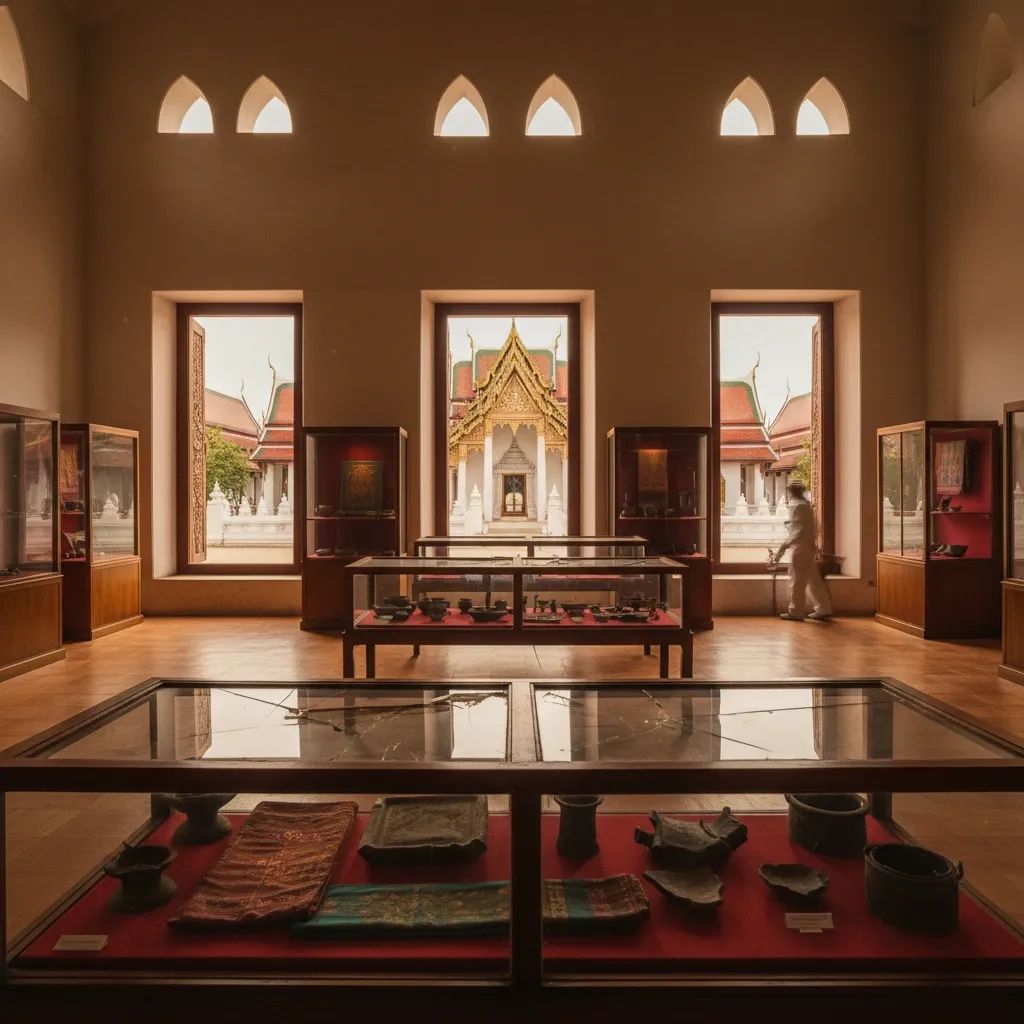
The Komgrish Ancient Textile Museum in Chaiyaphum has sustained extensive artifact damage following this year's annual Chaopho Phraya Lae parade, a development that exposes both the vulnerability of Thailand's private heritage collections and the regulatory gaps governing noise from public celebrations.
Why This Matters
• Hundreds of irreplaceable antiques fell from platforms and shattered when parade vehicles equipped with oversized speakers passed the museum compound.
• The museum's triple-layered walls and carpeted floors proved insufficient against the vibrations, indicating standard protection measures may be inadequate for private collections near event routes.
• Governor Anant Nakniyom has directed provincial agencies to draft new noise standards, though no timeline or enforcement mechanism has been announced.
• Private museums currently rely on insurance and civil liability claims for compensation, a reactive rather than preventive approach.
The Incident: When Cultural Celebration Becomes Cultural Casualty
Komgrish Ritkajorn, the museum owner and Thailand national artist, documented the aftermath on social media: antique textiles and artifacts displaced, display cases toppled, and light fixtures detached from ceilings throughout the Huen Kammu compound. Neighboring residences reported shattered windows and damaged personal property from the same vibrations.
The culprit was a fleet of "rod hae" vehicles—modified trucks outfitted with industrial-grade sound systems—that participate in the multi-day religious ceremony honoring local hero Chaopho Phraya Lae. Despite organizers requesting volume reduction in prior years, this year's parade caused the most severe documented damage to date.
The Tourism Authority of Thailand lists the Komgrish Ancient Textile Museum as one of Chaiyaphum's premier cultural attractions, making the incident particularly significant for both heritage preservation and provincial tourism revenue.
Legal Protections Fall Short
The Chaiyaphum damage exposes a legal vulnerability for Thailand's privately operated museums and heritage compounds. Unlike national institutions governed by the Fine Arts Department, private collections operate in a regulatory gray zone when external events cause harm.
Under the Thai Civil and Commercial Code, property owners can claim compensation for wrongful acts causing loss. However, successful claims require proving negligence—a high bar when event permits were legally issued and organizers nominally requested volume compliance. The process can be lengthy and costly, leaving museum operators absorbing restoration expenses while pursuing compensation through the courts.
What Needs to Change
The Chaiyaphum governor's directive to establish standards is significant but lacks specifics. Effective regulations would need to mandate:
• Minimum separation distances between high-decibel parade routes and registered heritage properties.
• Decibel limits enforced with real-time monitoring during events, not voluntary compliance requests.
• Liability frameworks clarifying whether event organizers, permit-issuing agencies, or vehicle operators bear financial responsibility for structural damage.
• Pre-event assessments for routes passing near museums or heritage compounds.
The Cultural Cost of Inaction
Thailand's cultural heritage depends partly on privately preserved collections that fill gaps in official conservation efforts. The Komgrish Ancient Textile Museum safeguards weaving traditions and artifacts not represented in government museums, making its holdings irreplaceable from both historical and educational perspectives.
Repeated vibration exposure accelerates deterioration even when objects don't immediately break. The April damage represents both acute loss and ongoing risk to items that may sustain internal stress.
What Residents and Museum Operators Should Watch For
The coming months will reveal whether Governor Nakniyom's commitment produces enforceable standards or symbolic gestures. Key indicators include:
• Publication of specific decibel limits and measurement protocols for future parades.
• Allocation of provincial budget for enforcement staff and protective measures.
• Consultation with private museum operators to identify vulnerable properties statewide.
• Liability clarifications that allow property owners to seek compensation without prolonged litigation.
Museum operators in provinces hosting annual high-volume events should review their current insurance coverage and protection measures. For now, the broken artifacts at Chaiyaphum serve as evidence that Thailand's cultural preservation framework leaves privately held heritage exposed to preventable damage from public celebrations—a gap that costs the nation irreplaceable pieces of its material history.
If you visit cultural sites in Chaiyaphum or other provinces, checking their readiness for such incidents may help inform which institutions are taking heritage protection seriously.


