
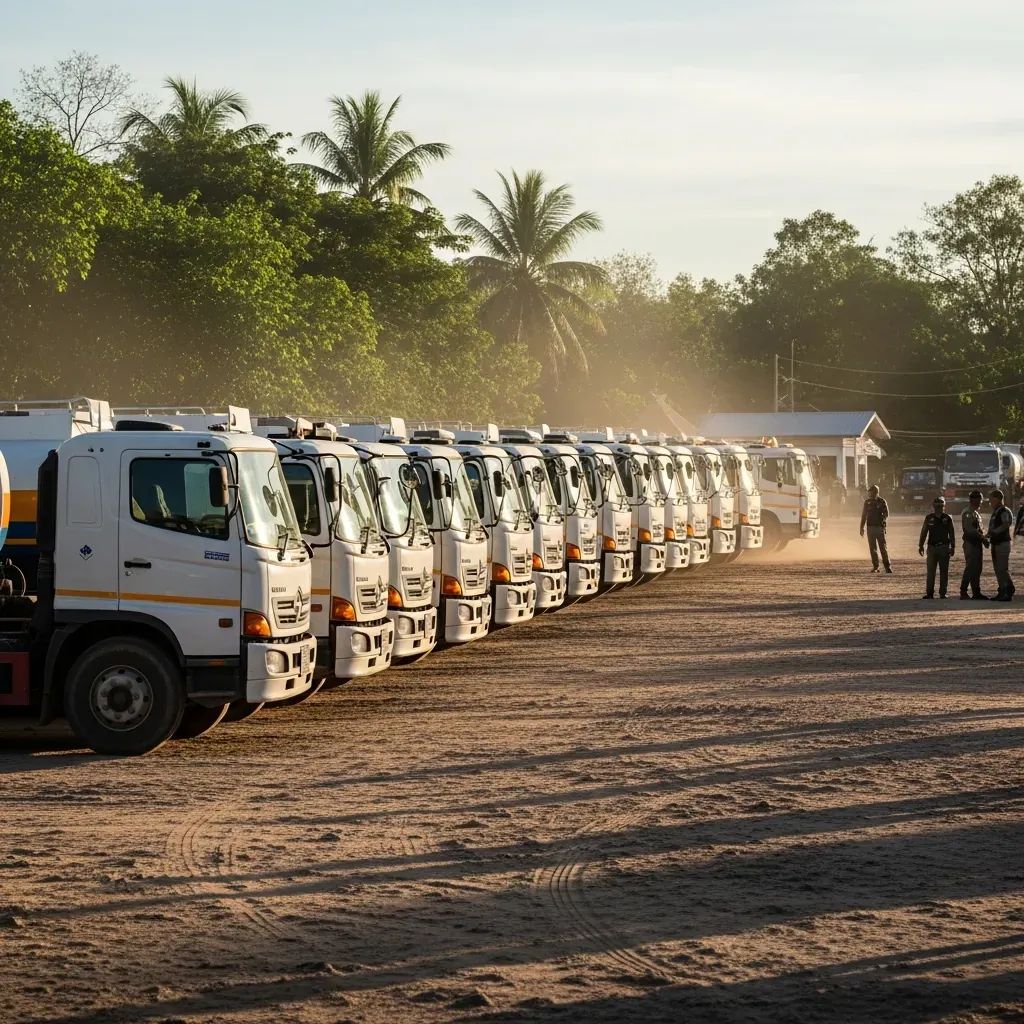
Thailand has ended fuel subsidies, meaning pump prices will now directly track international oil markets—a change that will affect your daily commute costs, food prices, and travel expenses. Effective immediately, what you pay at the pump moves with global crude prices, not government policy.
What's Changed and What It Means for You
• Prices are rising now: Pump prices are no longer protected by government subsidies. If international oil prices go up, you'll see that increase within days at your local petrol station.
• Your wallet gets hit: Transport costs will increase for taxis, buses, and motorcycle taxis. Food prices in supermarkets will likely rise because delivery costs are climbing. If you operate a delivery business, your fuel costs just jumped.
• Relief is coming, but details are still emerging: The government is preparing cash support and fuel vouchers for commercial drivers, farmers, and low-income workers. Details on eligibility and how to apply will be announced through provincial offices over coming weeks.
• Songkran enforcement just got serious: During the April holidays, police will conduct strict traffic checkpoints. Motorcycle riders must wear helmets; drivers must not consume alcohol. Violations result in vehicle impoundment and license suspension.
Why Did This Happen?
Thailand produces about 77 million liters of fuel per day, but recent demand jumped to 87 million liters daily—creating a 10 million liter gap. The spike was triggered by global tensions in the Middle East, which made consumers worried about fuel availability. People started buying more fuel than they needed, creating panic buying that made shortages worse. This behavior, called "panic demand," forced the government to act.
Maintaining fuel price caps while imports were draining reserves would leave Thailand vulnerable during Songkran travel season and agricultural planting time, when fuel demand peaks. The government decided it was better to let market prices reflect reality than to deplete strategic reserves.
Who Gets Help and How
The government has identified three groups needing support: commercial transport operators (taxi drivers, bus companies, motorcycle-taxi services), farmers, and low-income households. The Department of Land Transport is designing a reimbursement program that would credit licensed operators for elevated fuel costs. The Ministry of Finance is exploring fuel price protection within existing rural credit programs. The Ministry of Social Development and Human Security is discussing extending welfare payments to account for transport cost increases.
However, these programs are still being developed. Monitor your provincial government office and the Interior Ministry website for specific eligibility criteria and application deadlines in early April.
What You Should Do Now
Budget for fuel uncertainty: If you commute by motorcycle or operate a transport business, plan for fuel costs to fluctuate 15-25% over the coming months based on global oil prices. Adjust your household and business budgeting accordingly.
Stay alert for relief announcements: If you drive commercially, farm, or qualify for low-income assistance, watch for announcements from your provincial office. Early details will emerge over coming weeks.
Plan for Songkran travel realities: Highway delays will extend due to checkpoint congestion. Motorcycle riders face mandatory helmet requirements with vehicle impoundment for violations. Drivers must maintain zero alcohol consumption—police will conduct systematic breath analysis testing. These are enforceable mandates, not suggestions.
Context: Why Thailand's Energy System Was Vulnerable
Thailand imports about 20% of its crude oil from Middle Eastern producers. Current tensions in the region—involving Iran, Israel, and Gulf Arab states—created market uncertainty even though actual supply remained adequate. When uncertainty hits energy markets, consumers change behavior. People topped off fuel tanks "just in case," delivery operators stockpiled diesel, and agricultural transporters altered routes to avoid running low on fuel. Social media amplified these concerns, spreading rumors about service station shortages faster than official reassurance could counter them.
The government's response relies on three elements: allowing market prices to discourage unnecessary hoarding, providing targeted aid to vulnerable sectors, and maintaining strict enforcement during the high-risk Songkran travel period. Success depends on whether consumers adjust to new pricing norms, whether global crude prices stabilize, and whether relief reaches people who need it before economic damage spreads.


