
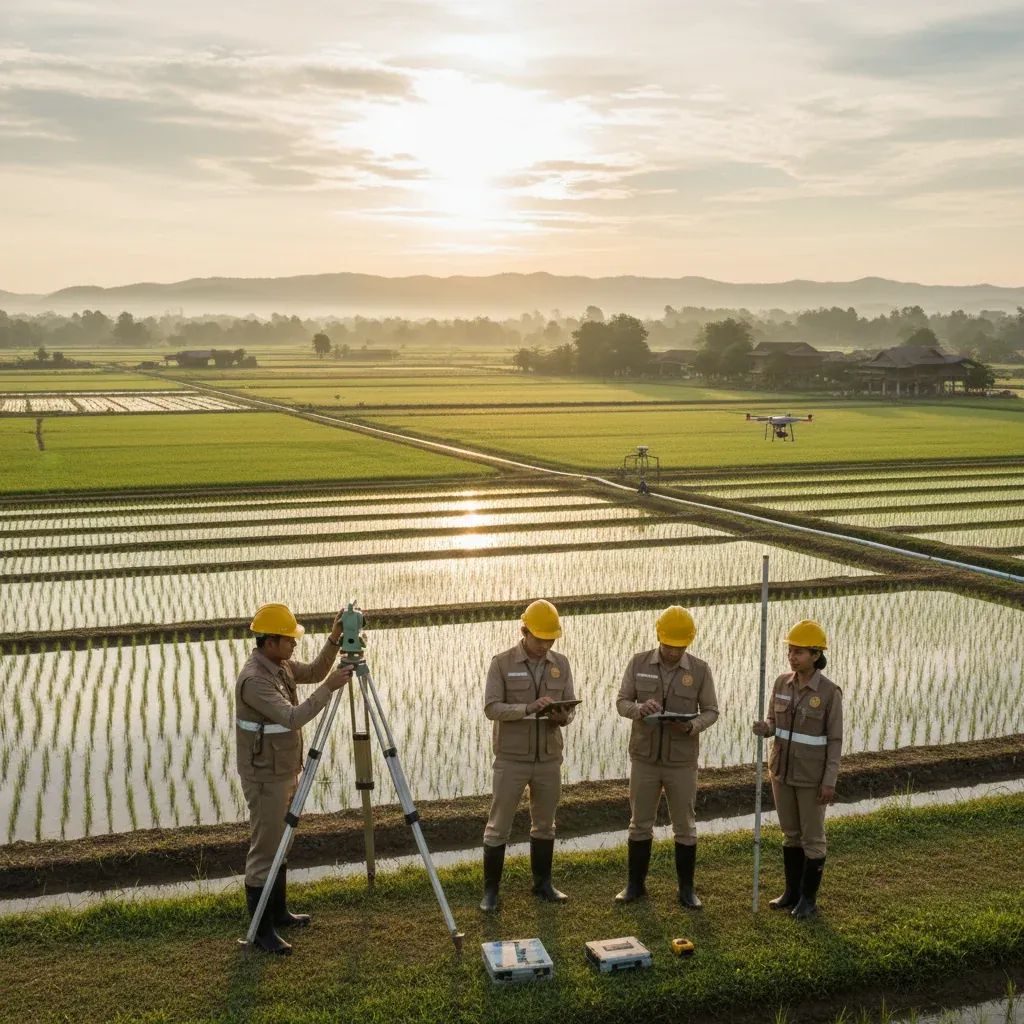
Thailand's Agricultural Land Reform Office (Alro) has instructed its provincial offices to intensify inspections and take legal action against unlawful occupation and exploitation of reform land, signaling a shift toward stricter enforcement of agricultural land regulations.
What This Development Means
The directive represents a notable policy emphasis on monitoring how reform-allocated plots are being used. Alro provinces will now conduct more frequent property reviews and pursue legal cases against those found to be misusing agricultural land. This move comes as part of broader government efforts to ensure that farmland designated for reform purposes is used as intended.
The Context of Reform Land
Agricultural reform land in Thailand is allocated to qualifying farmers and is meant to support agricultural activity. Over time, concerns have emerged about how some reform plots are utilized. The new enforcement directive signals the government's intent to address these concerns through more active oversight and legal mechanisms.
What This Means for Landholders
Current holders of reform land should ensure their land use complies with agricultural designation requirements. Those operating reform plots should maintain clear documentation of their farming activities and be prepared for potential inspections by provincial Alro offices.
Compliance and Legal Standards
The intensified enforcement will operate within existing legal frameworks governing agricultural land use. Individuals and organizations operating reform land should familiarize themselves with relevant regulations and ensure their activities align with authorized agricultural use.
Looking Forward
As provincial offices implement this enforcement directive, landholders should expect increased scrutiny and oversight. The specific details of how enforcement will be carried out across different provinces, penalty structures, and implementation timelines will likely become clearer as the policy is rolled out.


