
Breaking News: Peace Deal Signals Energy Cost Relief
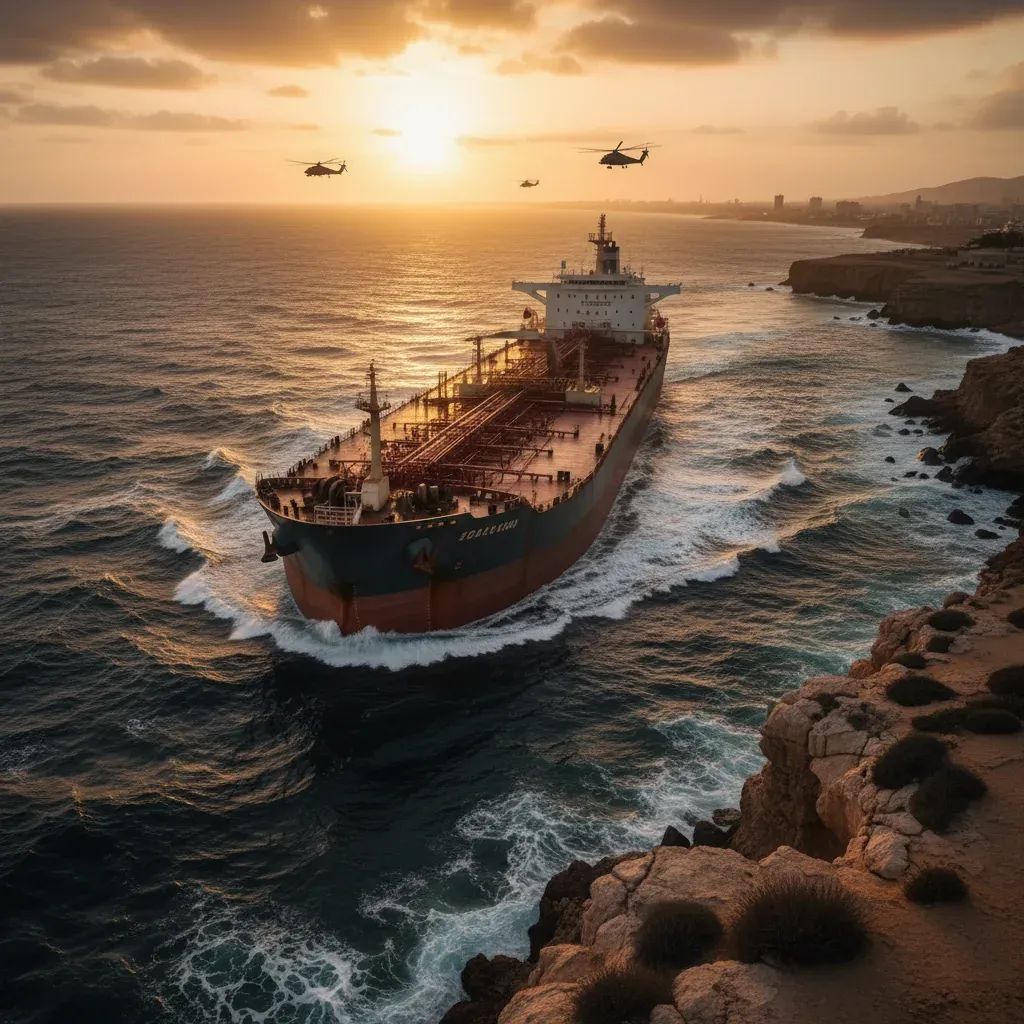
The Thailand Energy Ministry is set to benefit from a dramatic 4% drop in global crude prices after Washington and Tehran announced an initial peace framework that will reopen the Strait of Hormuz, a critical shipping lane that has been largely closed since late February following escalating military confrontations.
Why This Matters
• Lower fuel costs incoming: Brent crude fell over 3% on the news, with analysts projecting further declines as Persian Gulf oil returns to global markets—directly reducing import costs for Thailand, a net oil importer.
• Consumer relief timeline: Energy experts warn it may take several months before fuel price reductions reach Thai pumps, as damaged infrastructure and depleted inventories slow the recovery.
• Oil Fund stability: Thailand's Oil Fuel Fund, which subsidizes retail prices, will see reduced fiscal pressure, potentially avoiding the need for further government intervention.
• Signing ceremony: The formal agreement is scheduled for June 19 in Switzerland, with a 60-day negotiation window to address Iran's nuclear program and the release of $24B in frozen Iranian assets—funds that unlock sanctions relief and allow Iranian crude to flow back into global markets.
The Deal's Core Components
US President Donald Trump, who turned 80 over the weekend, announced the "toll-free opening" of the Strait and the immediate removal of the United States Naval blockade of Iranian ports. Iran's Deputy Foreign Minister Kazem Gharibabadi confirmed a memorandum of understanding had been finalized, though Iranian state media clarified that the Strait's reopening would occur within 30 days under Iranian supervision for mine clearance—a timeline that suggests some operational friction remains between the two powers.
The agreement mandates the immediate and permanent termination of military operations on all fronts, including in Lebanon, where proxy forces have been active. Mediators from Pakistan and Qatar were instrumental in brokering the deal, which comes after months of disruption to the waterway that normally handles 20% of global crude oil supply and a significant portion of liquefied natural gas.
A critical 14-point memorandum reportedly includes provisions for the US to release $12B upfront of the total frozen assets, with the remainder contingent on Iran fulfilling commitments during the nuclear negotiations. However, a US official cautioned that any fund release would be conditional, signaling that implementation challenges lie ahead.
Key Timeline for Thailand Residents
Here's what to expect and when:
• Today: Deal announced; crude prices drop 4%; global markets rally
• Within 30 days: Strait reopens after Iranian mine-clearing operations complete
• June 19, 2026: Formal signing ceremony in Switzerland; nuclear negotiations begin (60-day window)
• Several months from now: First fuel price reductions begin trickling to Thai pumps as PTT and other retailers adjust pricing
• October 2026: Around 85% of lost Gulf production capacity restored; stronger price momentum expected
• Early 2027: Full production recovery anticipated; more stable, lower global crude prices established
What This Means for Thai Households and Businesses
For Fuel Prices: Bangkok diesel and gasoline prices hit multi-month highs during the Strait closure. As supply chains normalize over the next several months, pump prices should begin falling. PTT typically adjusts retail prices weekly based on international crude benchmarks, so watch for incremental declines starting within 6-8 weeks as the Strait reopens and new shipments arrive.
For Consumer Goods: Transport and logistics costs account for a significant share of consumer goods pricing. Once the Oil Fuel Fund recalibrates subsidies downward, everyday items will begin reflecting lower fuel costs. The fastest price drops should appear in:
• Ride-hailing services (Grab, Bangkok taxi fares)
• Groceries and fresh food delivery
• E-commerce shipping fees
• Airline tickets (especially on regional routes like Bangkok to Chiang Mai, which currently carry 15-20% fuel surcharges)
For Manufacturing: Manufacturing sectors—particularly automotive, petrochemical, and food processing—will see production costs ease. The Thailand Board of Trade has noted that energy represents roughly 15-18% of industrial input costs, meaning even a modest crude price decline translates to meaningful cost savings that should eventually filter into retail prices for Thai-made goods.
For Electricity Bills: Thailand imports a significant portion of its natural gas and liquefied natural gas (LNG), much of which also transits the Hormuz Strait. As LNG prices decline alongside crude, Thai households could see modest reductions in electricity bills, though the impact will lag behind fuel price changes by several months.
For Business Decision-Making: Manufacturers with energy-heavy operations should hold current contracts where possible rather than rushing to lock in new agreements immediately; prices should improve over the coming months. For salary negotiations and cost-of-living discussions, note that inflation indicators will likely moderate as energy and transport costs decline, affecting both employer negotiations and government interest rate decisions by the Bank of Thailand.
Impact on Thai Workers in the Gulf and Remittances
For the roughly 300,000 Thai workers employed across Gulf states, a durable peace offers important stability. A durable Hormuz reopening and normalized US-Iran relations reduce the risk of labor market disruptions in the region and ensure the continuation of remittance flows, which totaled approximately $2.1B in 2025. This is particularly significant for rural families in Isaan and Northern provinces, where Gulf remittances often exceed income from agriculture and form the financial backbone of household security. Continued geopolitical stability means these income streams remain reliable.
Regional Implications and the Nuclear Question
The peace framework leaves several critical issues unresolved. The 60-day negotiation period on Iran's nuclear program will be closely watched by regional powers, particularly Israel and Gulf Arab states, whose security concerns remain acute. The agreement's durability hinges on whether Tehran agrees to verifiable constraints on uranium enrichment and whether Washington can credibly offer sanctions relief that outlasts US political cycles.
For Thailand, the broader geopolitical stability of the Middle East matters for energy imports and the stability of the Thai worker population. The deal also carries implications for Thailand's foreign policy posture. Bangkok has historically maintained cordial relations with both Washington and Tehran, positioning itself as a neutral actor in Middle Eastern affairs. The reopening of the Strait and normalization of US-Iran relations could create opportunities for Thai energy companies to re-enter the Iranian market once sanctions are fully lifted, though legal and compliance risks will require careful navigation.
Infrastructure and Timeline Realities
While President Trump's announcement emphasized immediacy, operational realities suggest a more measured rollout. Iranian authorities have indicated that the Strait will reopen "under Iranian arrangements," a phrasing that reflects Tehran's historical insistence on controlling the waterway. Whether the "toll-free" status holds under Iranian management remains an open question, with potential implications for shipping costs.
Energy companies face a complex logistical puzzle: repositioning tankers, clearing a backlog of delayed shipments, negotiating revised contracts, and coordinating with refineries that have adjusted operations for alternative crude sources. Thailand's PTT Public Company, the national oil and gas conglomerate, will need to recalibrate supply contracts and hedging strategies as Gulf crude returns to availability.
The 30-day mine clearance window is a critical variable. Naval experts note that the Strait's narrow width and heavy traffic make it particularly challenging to secure, and any incident during the clearance phase could delay the reopening or trigger renewed tensions.
The Road Ahead for Thailand
The peace framework represents a significant de-escalation, but implementation will test the political will of both Washington and Tehran. For Thailand, the stakes are primarily economic: lower energy costs, improved trade dynamics, and reduced inflationary pressure. However, the timeline for realizing these benefits is measured in months, not weeks, and depends on factors Thailand cannot directly influence—from Gulf production capacity to the outcome of nuclear negotiations.
Thai policymakers and businesses should prepare for a gradual normalization, keeping contingency plans in place for potential setbacks while positioning to capitalize on the strategic opportunity that a reopened Strait presents. The next critical milestone is the June 19 signing ceremony in Switzerland, which will clarify whether the initial framework can withstand the transition from announcement to implementation. For residents: expect concrete price improvements by late 2026, with the most significant relief arriving in early 2027.


