
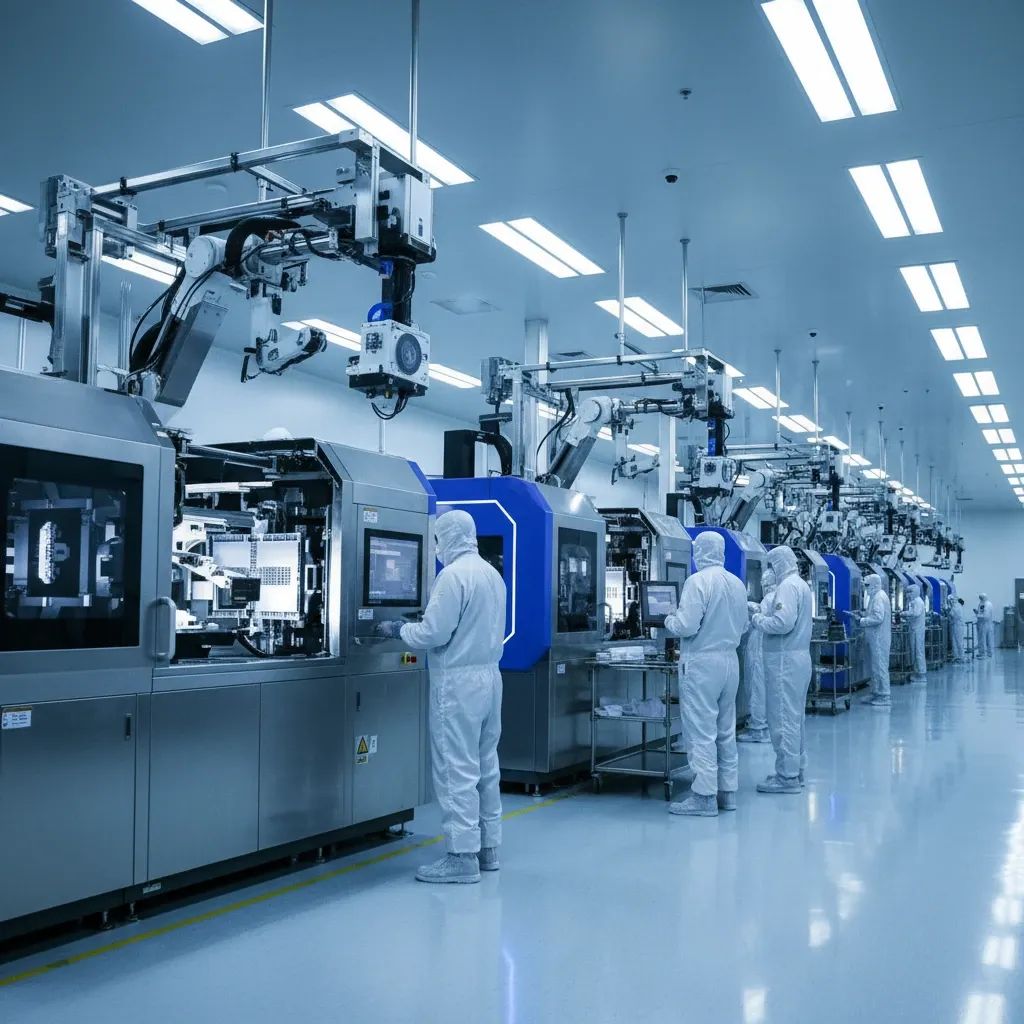
The Thailand Cabinet has no direct involvement, but the unfolding labor standoff at Samsung Electronics in South Korea carries significant implications for anyone in Thailand tied to the global technology supply chain—whether through investments, business operations, or consumer electronics pricing. South Korea's government is racing to prevent a potentially catastrophic strike at the world's largest memory chipmaker, a dispute that could trigger significant economic losses and ripple through markets from Bangkok to Silicon Valley.
Why This Matters
• Supply chain disruption: Samsung accounts for nearly 25% of South Korea's total exports and dominates global memory chip production. Any shutdown threatens delivery delays for smartphones, laptops, and AI infrastructure worldwide.
• Price pressure ahead: Memory chip shortages driven by a strike could push up costs for consumer electronics and data center hardware, affecting procurement budgets across Asia.
• Investment risk: Foreign investors with exposure to South Korean equities or semiconductor stocks face potential volatility. Samsung represents a significant portion of South Korea's stock market capitalization.
• Government intervention: Seoul is considering emergency arbitration powers to halt industrial action, a measure that underscores the economic stakes involved.
The Core Dispute: Profit-Sharing and Pay Parity
The National Samsung Electronics Union, representing approximately 45,000 employees, has set a strike deadline if management fails to meet demands centered on performance-based bonus structures. Workers are pushing for enhanced profit-sharing arrangements, elimination of current salary caps on bonuses, and formalization of these terms in binding employment contracts.
Samsung's semiconductor division is projected to generate substantial operating profit this year, driven largely by surging demand for high-bandwidth memory (HBM) chips used in artificial intelligence servers. The union is seeking meaningful performance bonuses for the division's workforce. Management has countered with an offer to allocate a percentage of operating profit to bonuses alongside compensation packages, but has resisted removing the bonus cap, citing long-term sustainability concerns.
A key grievance fueling union militancy is perceived pay disparity with rival SK Hynix, where workers reportedly enjoy more generous profit-sharing arrangements. The union has proposed compromises during negotiations, but management has rejected the terms.
Legal and Government Response
South Korean authorities have taken the labor dispute seriously, with the government warning of significant economic damage from a potential strike. Prime Minister Kim Min-seok has emphasized the critical nature of uninterrupted semiconductor production and the cascading effects any shutdown could trigger.
Samsung Chairman Lee Jae-yong issued a public apology for the labor unrest, urging employees to collaborate in resolving the dispute and highlighting the continuous operational demands of semiconductor manufacturing, where production lines require 24-hour operation and even brief shutdowns can lead to substantial equipment and production losses.
What This Means for Residents and Investors in Thailand
For Thailand-based businesses that rely on semiconductor components—whether in manufacturing, data centers, or consumer electronics retail—the Samsung dispute represents a critical supply chain vulnerability. Memory chips are already in short supply globally, and any disruption from Samsung would tighten markets further, potentially delaying product launches and driving up procurement costs.
High-bandwidth memory, essential for AI servers and data centers, faces particular risk. A shortage in HBM could delay GPU shipments and increase server costs across the AI hardware ecosystem, affecting Thai tech firms expanding into cloud services or machine learning infrastructure.
Investment portfolios with exposure to South Korean equities or global semiconductor supply chains face near-term volatility. Samsung's dominance in memory production means that any prolonged shutdown could erode confidence in the stability of the global chip supply, prompting major clients to accelerate diversification efforts—a shift that could reshape supplier relationships across Asia.
Thailand's electronics importers and retailers may also face pricing pressures as memory chip costs rise. Consumer electronics dependent on DRAM and NAND flash memory—smartphones, laptops, tablets—could see price increases if the strike materializes and supply tightens further.
Global Supply Chain Ramifications
Samsung, along with SK Hynix and Micron, dominates global memory chip production. A significant disruption would immediately reduce the overall supply of DRAM and NAND flash memory, critical components for everything from smartphones to data centers. The strike threat comes amid an already constrained global memory chip market, meaning any disruption would exacerbate supply pressures.
Beyond immediate supply concerns, a prolonged shutdown risks eroding trust in the global supply chain, leading customers to diversify supplier bases and potentially accelerating a shift in semiconductor manufacturing away from concentration in South Korea. While switching vendors in the semiconductor industry is costly and time-consuming, reliability concerns could prompt major tech clients to absorb those costs to reduce dependency risk.
Negotiations and Resolution Timeline
Negotiations between Samsung management and the union are ongoing with government involvement, as both sides work toward a resolution. The outcome of this dispute will likely set precedents for labor relations across South Korea's major conglomerates, particularly in high-tech manufacturing sectors where global supply chains magnify the economic stakes of any disruption.
For observers in Thailand and across Asia, the Samsung labor standoff serves as a reminder of the fragility embedded in highly concentrated supply chains—and the cascading effects that labor disputes in one country can trigger across regional and global markets.


