
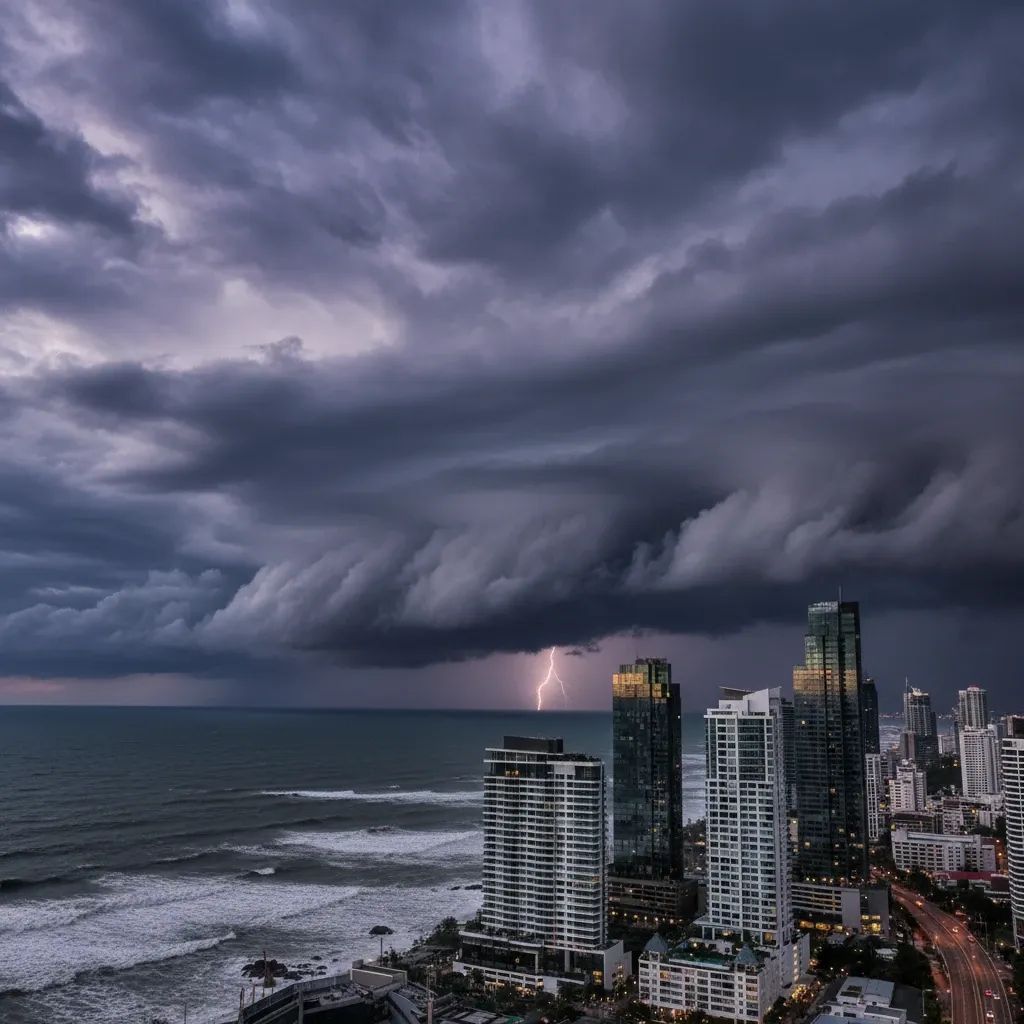
Thailand's Department of Health has escalated its heat warnings as residents and tourists in Pattaya and across the Eastern Seaboard brace for a dangerous combination of scorching midday temperatures and volatile afternoon thunderstorms, part of a wider heat emergency that has pushed thermometers past 40°C in northern provinces and left Bangkok sweltering at 38°C.
Why This Matters
• Health risk level: Bangkok's Environment Department has declared a heat index "alert" for the city, warning that prolonged outdoor exposure poses serious health dangers, particularly between 11 AM and 3 PM.
• Vulnerable groups: Officials urge closer monitoring of elderly residents, young children, and anyone with underlying medical conditions—groups at elevated risk for heatstroke and heat exhaustion.
• Thunderstorm disruption: Localized storms in Pattaya and the East may bring gusty winds and brief downpours, potentially disrupting beach activities and island ferry schedules by late afternoon.
• Early monsoon signals: These heat-driven storms represent typical pre-monsoon conditions, foreshadowing the official rainy season expected to begin in mid-May.
Pattaya Faces Mid-30s Heat with Afternoon Storm Risk
A low-pressure system parked over the country is driving sustained high temperatures across Thailand's Eastern region, with Pattaya seeing daily highs climbing into the mid-30s Celsius. While most hours remain dry, the Thailand Meteorological Department warns that isolated thunderstorms with gusty winds may develop, especially during late afternoon and early evening hours.
A man sheltering beneath a tree at Pattaya Beach, fishing rods propped beside him, has become an emblem of the city's current reality: residents and visitors alike waiting out the brutal midday sun for cooler evening conditions. The combination of high temperatures and elevated humidity levels—often reaching 70-80%—creates a heat index that makes conditions feel significantly hotter than the actual thermometer reading. When the heat index exceeds 41°C, authorities classify the situation as "dangerous," with substantial risk of heat exhaustion and heatstroke for anyone engaged in outdoor activities for extended periods.
Local forecasters advise drinking plenty of fluids and avoiding prolonged exposure during peak sun hours. Brief rain showers and strengthening winds could disrupt outdoor activities along beaches and coastal roads, particularly for those traveling to nearby islands or engaging in water sports.
Gulf Conditions Demand Caution from Boaters
Thailand's Gulf waters near Pattaya remain mostly calm, with wave heights hovering around one meter under normal conditions. However, storm zones can see a marked increase in swell and chop. Boat operators and tourists planning excursions to offshore islands should monitor weather updates closely and steer clear of areas with visible storm activity. The sudden intensification of wind and waves in thunderstorm cells poses genuine hazards for smaller vessels and inexperienced mariners.
Capital and Northern Provinces Enter Critical Heat Zone
The heat crisis extends well beyond the Eastern Seaboard. Thailand's Department of Health confirmed that northern provinces registered temperatures as high as 40°C on Monday, while Bangkok Metropolitan Administration recorded 38°C in the capital—levels that prompted an official heat index warning.
The Bangkok Environment Department issued specific guidance urging residents to avoid outdoor activities between 11 AM and 3 PM, the window when temperatures peak and the heat index reaches its most dangerous levels. Officials emphasized the need for heightened vigilance over vulnerable populations, including seniors, pregnant women, young children, and those with chronic health conditions such as heart disease or diabetes.
Anyone experiencing unusual symptoms—dizziness, severe fatigue, nausea, rapid heartbeat, or fainting—should seek immediate medical attention. The Thailand Ministry of Public Health has activated emergency medical operations centers in 29 high-risk provinces and deployed community health volunteers to monitor at-risk individuals in residential areas.
Impact on Residents and Visitors
For expatriates, tourists, and locals navigating daily life in Pattaya and greater Thailand, the current heat wave demands practical adjustments. Bangkok Metropolitan Administration has opened more than 304 air-conditioned cooling shelters across the capital, supported by 2,806 free drinking water stations at schools, vocational training centers, public health service centers, and district offices. An additional 178 cooling spots have been designated in public parks and green spaces.
These resources represent a lifeline for outdoor workers, street vendors, motorbike taxi drivers, and anyone whose livelihood requires extended exposure to the elements. The government's rollout of a real-time heat index alert system divides risk into four tiers—watch, alert, danger, and extreme danger—helping residents make informed decisions about when to venture outdoors.
Heat-related illness is not theoretical. Heatstroke, the most severe condition, occurs when the body's temperature regulation fails and core temperature surges past 40°C within minutes. Victims stop sweating, their skin turns hot and red, and they may become confused, suffer seizures, or lose consciousness. Without emergency medical intervention, heatstroke can be fatal.
Less severe but still serious conditions include heat exhaustion (characterized by profuse sweating, weakness, nausea, and rapid pulse), heat cramps (painful muscle spasms caused by salt loss), and heat rash (blocked sweat glands leading to itchy red bumps in humid body folds). All are preventable with proper hydration and sensible precautions.
Storm Patterns Herald Approaching Rainy Season
The afternoon thunderstorms now appearing with increasing frequency across Thailand's Eastern provinces are not random events. Meteorologists identify them as summer storms, a transitional weather phenomenon that occurs when cool air masses from China collide with hot air blanketing Thailand. These storms typically feature sudden downpours, strong gusts, and occasionally hail, and they signal the gradual shift from the hot season toward the official monsoon.
Thailand Meteorological Department forecasts indicate 10-20% of the Eastern region will experience thunderstorms between now and the end of March. The official rainy season—marked by sustained, widespread precipitation covering more than 60% of the country for three consecutive days and a shift to southwest monsoon winds—is expected to commence in mid-May. Until then, residents can expect the current pattern to persist: intense sunshine, soaring temperatures, and sporadic late-day storms that offer brief relief before the heat returns.
For Pattaya, this means several more weeks of typical hot-season weather before the monsoon rains arrive in earnest. The challenge for both residents and authorities is managing the health risks inherent in this transition period, when the body's ability to cool itself is pushed to its limits by a combination of high heat and high humidity.
Practical Precautions for Heat Safety
Avoiding heat illness requires deliberate behavioral changes. Authorities recommend reducing or eliminating outdoor activities during the 11 AM to 3 PM danger window. When outdoor exposure is unavoidable, wear loose-fitting, light-colored clothing made from breathable fabrics, and use hats, sunglasses, or umbrellas for shade.
Hydration is paramount. Drink 2-3 liters of clean water daily, sipping regularly rather than waiting until you feel thirsty. If sweating heavily, consider electrolyte-replacement drinks to restore lost salts. Avoid alcohol, which accelerates dehydration, and limit caffeinated beverages.
Workers and athletes should take frequent breaks in shaded or air-conditioned areas. Never leave children, elderly individuals, or pets unattended in parked vehicles, where interior temperatures can reach lethal levels within minutes.
If you or someone nearby shows signs of heat illness—dizziness, headache, nausea, confusion, cessation of sweating despite heat, or loss of consciousness—act immediately. Move the person to shade or an air-conditioned space, remove outer clothing, apply cool (not ice-cold) compresses to the neck, armpits, and groin, and if the person is conscious, provide water. Fan the person to promote evaporative cooling. If symptoms persist or the person loses consciousness, call 1669 for emergency medical services or transport them to the nearest hospital without delay.
The combination of extreme heat, elevated humidity, and unpredictable storms makes this a challenging period for anyone living in or visiting Thailand. With the official monsoon still weeks away, residents must balance the realities of daily life with the risks posed by one of the hottest Marches in recent memory. Vigilance, hydration, and common sense remain the most effective tools for navigating the heat until the rains finally arrive.


