
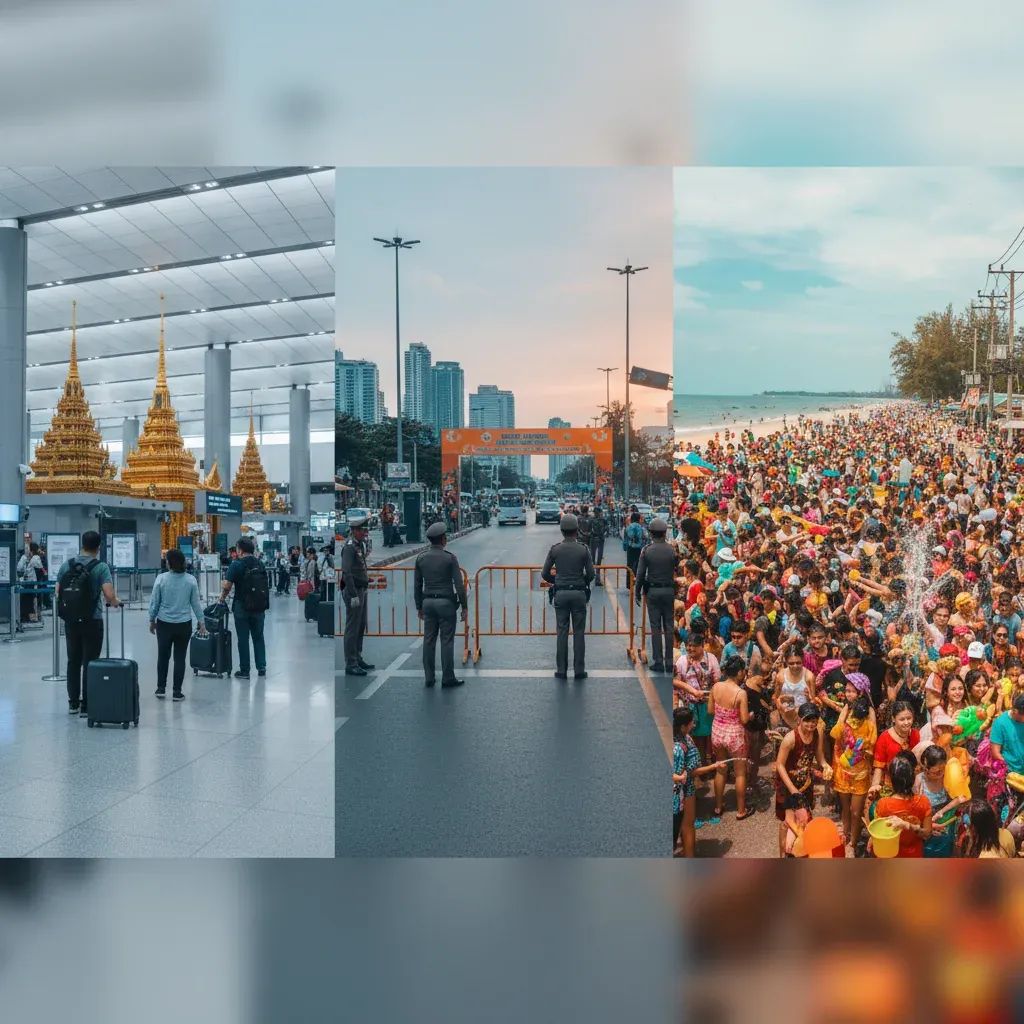
The Local Alternative to Songkran Chaos
Chiang Rai is positioning itself as the culturally immersive alternative for residents seeking a more manageable Songkran experience. Rather than the raucous street parties dominating other destinations, the provincial government and Chiang Rai Municipality have mapped out a festival calendar emphasizing Buddhist merit-making, temple processions, and riverside ceremonies over high-intensity water battles.
Why This Matters
• Extended celebration: Chiang Rai runs April 12–18, offering a fuller week of events for residents to pace their participation.
• Cultural focus: The festival prioritizes traditional Lanna heritage rituals, providing a counterpoint to commercialized water-fight tourism elsewhere.
• Safety consideration: Road accidents spike during Songkran nationwide. The Thailand Royal Police intensify enforcement throughout the holiday, particularly targeting drunk driving and motorcycle incidents involving water-throwers.
Chiang Rai's Festival Calendar
"Aew Pi Mai Mueang Chiang Rai" (April 12–14) anchors the slate at Tung & Kom Park in the city center, featuring traditional Lanna circle dances (ramwong) and the ceremonial bathing of sacred Buddha images.
For residents who want to participate in water play, the San Khong Noi road transforms into a water corridor April 12–16, complete with family-friendly water zones. The Central Chiang Rai mall hosts its own "Chiang Rai Songkran Festival 2026" (April 13–15) at Kasalong Square, offering air-conditioned restrooms, first-aid stations, and security screening—amenities that make the experience more manageable for those with families or mobility concerns.
Border districts offer distinct experiences: Chiang Khong's "Maha Songkran" on April 13 provides Mekong riverside ceremonies, while Chiang Saen extends celebrations to six days (April 13–18) with traditional merit-making events and boat races.
Practical Advantages for Residents
If you live in northern Thailand, Chiang Rai's approach delivers three clear benefits: fewer crowds, manageable infrastructure, and easier access to authentic ritual. While larger destinations struggle with overtourism, Chiang Rai's smaller scale means you can book accommodation without surge pricing and navigate the city without gridlock.
Temple visits and merit-making at Wat Phra Kaew and Wat Phra Sing remain accessible throughout the festival, ideal for families seeking the spiritual core of Songkran without the chaos. The Mekong Civilization Museum and the city's expanding café scene provide air-conditioned respite during the day.
Safety Considerations
Songkran is Thailand's deadliest holiday period, with motorcyclists especially vulnerable to water-throwers causing loss of control. The "Safe Songkran" campaign brings checkpoints and alcohol-breath tests, but the safest approach is to avoid riding motorbikes April 12–18; use rideshare services or public transit instead.
Health precautions are equally important: water sourced from canals or unfiltered taps can harbor bacteria causing gastroenteritis, conjunctivitis, or skin infections. Wear waterproof sunglasses, keep your mouth closed when splashed, and seal any open cuts. Wet clothing in 35°C heat breeds fungal infections—change into dry garments promptly. Dengue mosquitoes remain active; apply repellent even during water play.
The Thailand Ministry of Interior enforces cultural boundaries: splashing monks, pregnant women, infants, or the elderly draws fines, as does aiming at moving vehicles. Water play officially ends at 21:00 in designated zones, and alcohol sales are restricted to 11:00–14:00 and 17:00–midnight windows.
The Tradition's Roots
Songkran's Sanskrit origin—"Sankranti"—marks the sun's entry into Aries and the lunar new year under traditional astronomy. Ancient practice centered on pouring scented water over Buddha images and elders' hands as a blessing. The shift toward water-gun celebrations began in the late 1980s and accelerated through the 1990s as tourism promotion expanded the festival's scope.
UNESCO's 2023 designation of "Songkran in Thailand" as Intangible Cultural Heritage prompted renewed emphasis on ritual alongside revelry. Chiang Rai's multi-venue approach reflects this balance: dawn merit-making ceremonies coexist with family water zones, and traditional processions run parallel to organized water corridors.
Planning Your Festival Week
Avoid peak chaos by noting that April 13—the traditional Songkran Day—sees maximum crowds and water intensity. April 12 and 14–15 offer slightly calmer conditions, and the Wan Lai extensions (April 16–18) let you experience the festival after the peak tourist window.
For essential errands, early mornings (before 09:00) and late evenings (after 21:00) are safe windows when water play pauses. Government offices and banks close April 13–15, but convenience stores and hospitals operate continuously. Stock up on cash beforehand; ATM lines spike on April 12.
Pet owners should keep animals indoors—the noise, crowds, and risk of dehydration stress pets. If travel is necessary, use an air-conditioned car with sealed windows.
The Bottom Line for Residents
Chiang Rai's 2026 Songkran offers a practical middle path: authentic cultural elements with manageable crowds and functional public services. For residents staying in town, treat April 12–18 as a work-from-home week with strategic outings—temple visits at dawn, indoor activities midday, and evening exploration after water activity ends.
For those new to Songkran, Chiang Rai demonstrates how a provincial capital balances cultural tradition with resident quality of life, offering the festival's spiritual significance without the overwhelming tourism intensity found elsewhere. The celebration can be rewarding when approached with safety awareness and realistic expectations about what the holiday entails.


