
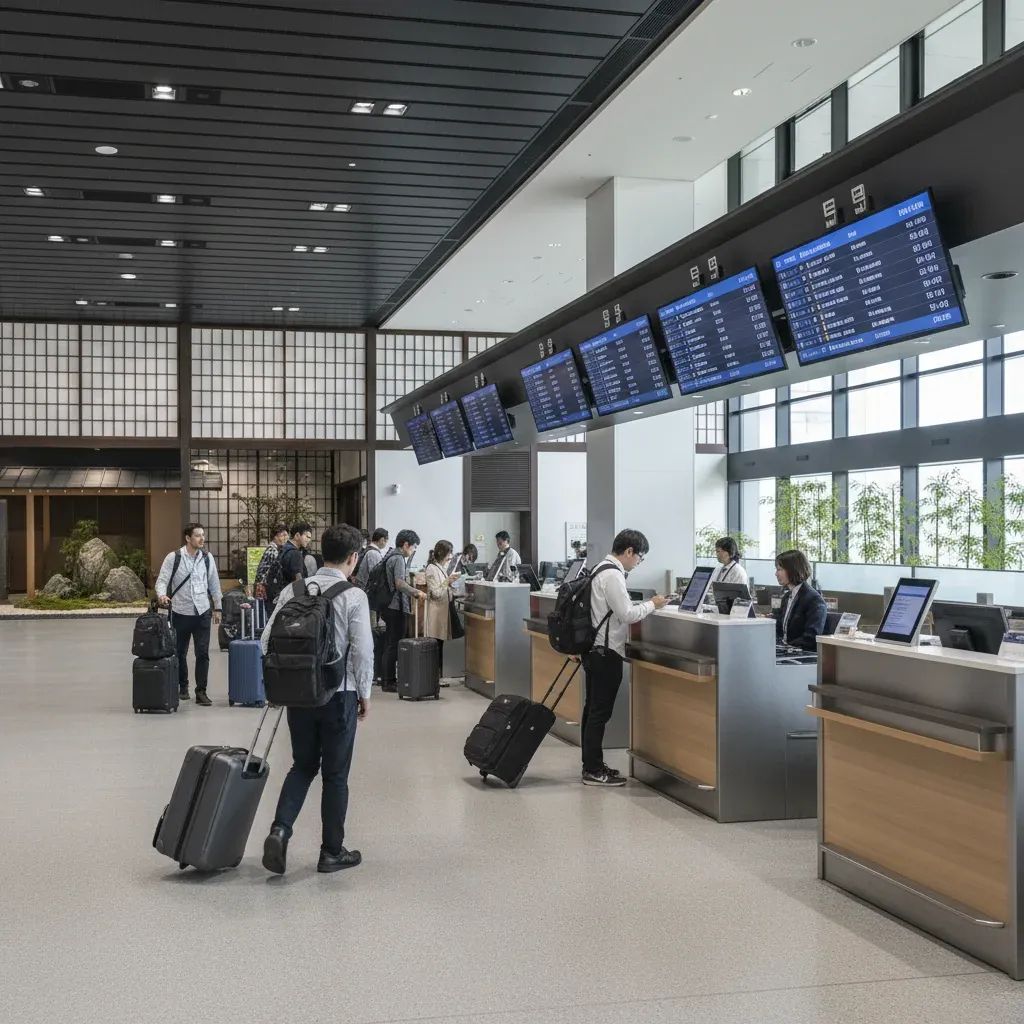
Thailand ranks as the top source of Japan-bound tourists from Southeast Asia, a position strengthened by consistent growth and sustained traveler loyalty. In the first six months of 2025, 680,500 Thai travelers visited Japan—a 10.1% increase compared to the same period in 2024—driven by a combination of economic opportunity, cultural affinity, and a service standard unmatched in the region.
Why This Matters:
• Visa-free access since 2013 has kept Japan accessible, but the weakening yen now makes high-quality goods, meals, and lodging significantly cheaper for baht holders.
• Peak travel seasons align with Thai holidays and Japan's natural attractions, including cherry blossom season and traditional festivals, which draw families and independent travelers alike.
• Announced departure-tax increases to ¥3,000 (from ¥1,000) effective July 1, 2026 loom on the horizon—yet current booking trends remain strong, signaling that affordability and experience continue to outweigh concerns about marginal cost increases.
What Sets Japan Apart for Thai Residents
Thailand's Ministry of Tourism and Sports has long tracked outbound patterns, and Japan consistently emerges as the aspirational benchmark. The destination maintains momentum through a proven blend of reliability, cultural resonance, and experiential value that competitors struggle to replicate.
Safety sits at the core. Thai families traveling with elderly relatives or children prize Japan's low crime rates, trustworthy public services, and earthquake-resistant infrastructure backed by multilingual emergency systems. The Japan National Tourism Organization notes that Thai tourists typically exhibit longer stays and higher per-capita spending than most Southeast Asian cohorts—a hallmark of confidence in the destination and satisfaction with their experience.
Culinary authenticity ranks second. While Bangkok teems with Japanese restaurants, the refined taste of dishes served in Osaka or Tokyo—paired with meticulous presentation and seasonal ingredients—remains distinctive. Thai travelers consistently allocate substantial budgets to dining and shopping during Japan visits, with the weakening yen making mid-range experiences more affordable than in previous years. A two-week trip now costs roughly $1,500–$2,200, approximately double Thailand's domestic travel cost but accessible to middle-class households.
Cultural kinship also plays a significant role. Shared Buddhist traditions and mutual emphasis on politeness foster what researchers describe as a "kindred feeling." Many Thais view Japan as a model—an advanced economy that honors tradition without sacrificing modernity. Anime, seasonal festivals, and the orderliness of Japanese cities offer an experience that feels both aspirational and familiar.
Infrastructure and Convenience Drive Repeat Visits
Japan's inter-city rail network and IC card payment systems (Suica, Pasmo) eliminate friction for independent travelers. Multilingual signage, QR-code ticketing, and ongoing infrastructure improvements—particularly in the Kansai region following investments for major events—have made navigation intuitive for visitors accustomed to Bangkok's BTS or MRT systems.
Low-cost carriers have compressed airfare, though seat scarcity during peak periods—Songkran, cherry blossom weeks, Golden Week—pushes prices upward during these windows. Regional flight routes have expanded, with carriers adding frequencies from Chiang Mai, Phuket, and Bangkok to secondary Japanese cities, creating more weekend-break options and competitive pricing during off-peak travel windows.
Repeat-visit rates among Thai tourists are notably high. Travelers design trips around specific interests—pottery workshops in Gifu, seasonal festivals, regional exploration—rather than ticking off generic sightseeing lists. This experiential focus translates into geographic dispersal beyond Tokyo and Kyoto, benefiting smaller prefectures and aligning with Japan's tourism diversification goals.
Economic Calculus: Yen Weakness and Travel Value
The yen has traded at multi-year lows through 2025, making Japanese goods and services a relative bargain for Thai visitors. A budget daily cost in Japan now runs roughly double Thailand's domestic equivalent—manageable for middle-class Thai households saving for an annual overseas trip. This pricing sweet spot, combined with the perception of high quality and safety, positions Japan as exceptional value compared to alternatives.
Kyoto City imposed a tiered lodging-tax increase effective March 1, 2025, and the National Tourism Organization has signaled the International Tourist Tax will rise from ¥1,000 to ¥3,000 per person on July 1, 2026. These measures aim to fund infrastructure and manage overtourism, though the weak yen currently cushions the impact for baht-holding visitors. Thai travelers—accustomed to currency fluctuations—appear willing to adapt to marginal cost increases in exchange for the proven quality and safety Japan delivers.
Impact on Thailand-Based Expats & Residents
For Thailand-based expatriates and residents, Japan's appeal as a travel destination carries practical implications. Expanded flight routes and added frequencies mean more convenient access and competitive pricing during off-peak windows, enabling weekend trips and extended breaks without excessive planning.
Thai-Japanese business ties continue to deepen as tourism flows remain strong. Thai restaurants in Tokyo, Thai-language tour operators, and halal-certified accommodations have expanded, easing logistics for diverse Thai traveler segments. Conversely, Japanese brands in Thailand—from convenience-store chains to hospitality ventures—leverage this cultural exchange to refine localized offerings and strengthen market presence.
Exchange-rate dynamics merit attention for residents. A strong baht against the yen benefits Thai tourists planning trips, while those holding yen-denominated savings or investments enjoy purchasing-power gains. For residents and businesses managing cross-border transactions, monitoring seasonal fare spikes and booking patterns during major Thai holidays remains strategically important.
What the Verified Data Reveals
Japan's National Tourism Organization confirmed that Thai visitors accounted for a significant share of Southeast Asian arrivals, with 680,500 visitors in the January–June 2025 period representing 10.1% year-on-year growth. This sustained momentum places Thailand consistently among Japan's top feeder markets globally, reflecting both the appeal of the destination and the purchasing power of Thai travelers.
Seasonal patterns are clear: peak arrival windows align with Songkran in mid-April and cherry-blossom season in late March and early April, while post-Lunar New Year periods show more modest fluctuations. These rhythms matter for Thailand-based travel agencies planning group tours and for residents seeking to avoid crowds or secure competitive pricing.
Competitive dynamics with other destinations remain relevant. While Chinese and Korean destinations offer their own appeal and competitive pricing, Japan's consistent combination of safety, authentic cultural experiences, reliable infrastructure, and the current yen weakness maintains a loyalty advantage that raw economics alone cannot replicate. Thai travelers demonstrate a willingness to pay a premium for Japan's proven delivery on quality and experience.
Looking Ahead
Japan's overtourism management strategy—encouraging visits to quieter regions, upgrading transit infrastructure, and implementing cost measures—may enhance Thailand's position as a top feeder market. Thai tourists already favor regional exploration and longer stays, naturally aligning with Japan's dispersal goals. As Thailand's tourism authority and Japanese prefectures deepen partnerships, expect continued promotion of lesser-known destinations and experiences beyond the Tokyo-Kyoto corridor.
The announced departure-tax increase to ¥3,000 on July 1, 2026 will test price sensitivity, but current booking resilience and yen weakness suggest Thai demand will prove durable. For Thailand-based travelers and residents, Japan remains the proven standard: a destination that balances aspiration with attainability, delivers consistent quality experiences, and continues to reward repeat visits with new discoveries.


