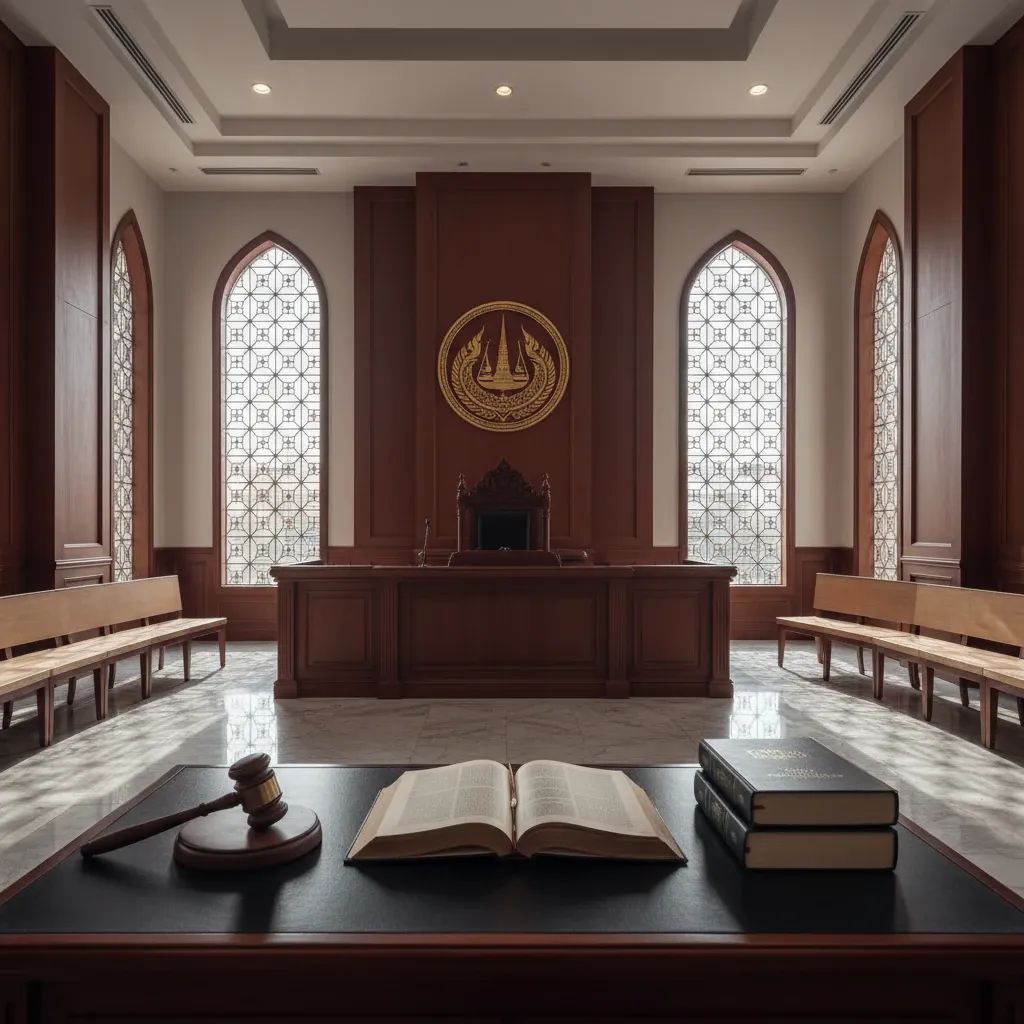
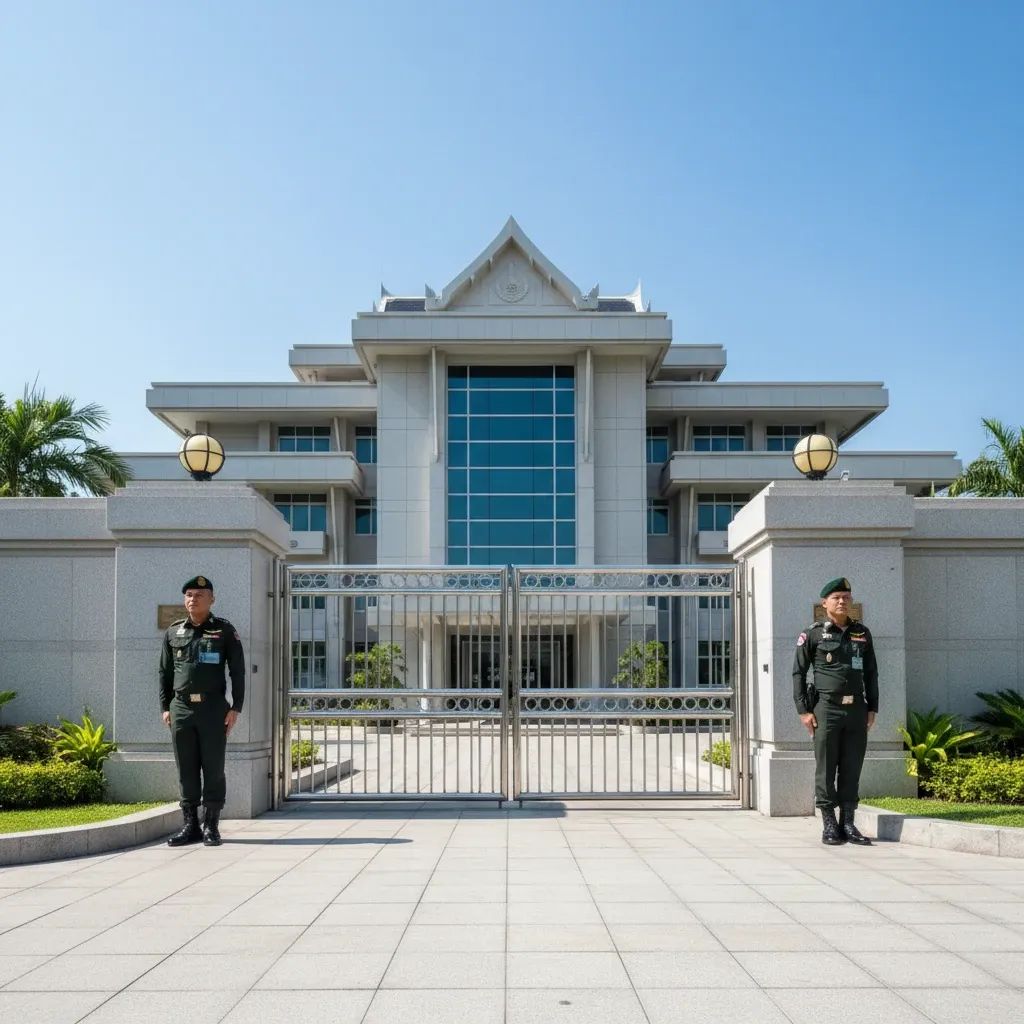
The Thailand House of Representatives has approved a sweeping political amnesty bill that would lift legal penalties for thousands of protesters from two decades of unrest, but the legislation's controversial exclusions have exposed the limits of reconciliation in a kingdom still grappling with deep ideological divisions.
As of July 2026, the bill awaits final royal endorsement by the King before becoming law.
Why This Matters
• Estimated 1,000 to 6,000 activists from Yellow Shirt, Red Shirt, and youth movements would regain political rights and avoid further prosecution.
• Lèse-majesté convictions remain explicitly excluded, leaving dozens imprisoned under Section 112 ineligible for relief.
• Royal endorsement is the final procedural step before the "Peaceful Society Promotion Bill" becomes law.
• Corruption cases are barred from amnesty, though critics warn Senate amendments may inadvertently shield election-fraud suspects.
The Scope of Thailand's Largest Amnesty
The bill covers political offenses committed between January 1, 2005, and July 16, 2026, a window encompassing the 2006 military coup that ousted Prime Minister Thaksin Shinawatra, the violent Red Shirt crackdowns of 2010, royalist Yellow Shirt occupations of government buildings, and the 2020-2021 youth-led pro-democracy protests that shocked the establishment with unprecedented calls for monarchy reform. For activists who have already served sentences or remain in legal limbo, the legislation would restore the right to hold political office and halt ongoing trials.
A nine-member Peaceful Society Promotion Committee, chaired by the prime minister, would determine eligibility on a case-by-case basis. The committee's decisions would be final, a provision that has raised concerns about transparency and the potential for political influence in borderline cases.
The amnesty passed the House on July 8, 2026 following Senate approval earlier in the month, and now awaits the King's endorsement—a formality that carries constitutional weight in Thailand's monarchy-centered political system.
What This Means for Residents
For anyone living in Thailand, the amnesty represents a significant potential shift in the country's approach to political dissent and justice. Thousands of individuals who faced prosecution under a patchwork of charges—ranging from sedition and public assembly violations to computer crimes—would see their records cleared and their civic participation rights restored once the bill receives royal endorsement. This could alter the composition of local and national politics, potentially re-energizing movements that were sidelined by legal battles.
However, the exclusion of lèse-majesté cases ensures that some of the most high-profile activists from the 2020 protests remain behind bars. Thai Lawyers for Human Rights have documented dozens of convictions under Section 112, with sentences often stretching into years or even decades. For foreign residents and investors, the amnesty signals an effort at stability, but the unresolved question of royal defamation prosecutions underscores the fragility of political consensus.
The corruption exclusion has also sparked debate. Opposition lawmakers from the People's Party and Democrat Party leader Abhisit Vejjajiva have warned that Senate amendments could inadvertently grant a backdoor reprieve to figures implicated in a 2024 Senate election collusion probe. Government senators have rejected this interpretation, insisting that Section 3 of the bill unambiguously bars amnesty for corruption and malfeasance. The controversy reflects lingering suspicions that amnesty legislation, ostensibly designed for grassroots activists, could benefit powerful insiders.
The Fault Lines: Who Gets Forgiveness, and Who Doesn't
The bill's exclusions—corruption, lèse-majesté, and crimes resulting in death or serious harm—reveal the political red lines that constrain reconciliation. The People's Amnesty Network and the People's Party have criticized the lèse-majesté exemption as a tool of political control, arguing that Section 112 has been weaponized against youth protesters who dared question the monarchy's role in governance. Public opinion remains divided: a June 2024 survey found that 64% of respondents opposed an amnesty that included royal defamation cases, illustrating the cultural and generational tensions embedded in Thailand's political landscape.
For the Red Shirts—largely rural supporters of the Shinawatra political dynasty—and the Yellow Shirts—urban royalists who backed military intervention—the amnesty offers a formal end to a conflict that has defined Thailand since 2006. Yet the exclusion of crimes involving death or serious injury means that security forces implicated in the 2010 crackdowns, which left 92 people dead, would not be covered. The Truth for Reconciliation Commission of Thailand concluded in 2012 that both Red Shirt protesters and government troops escalated violence, but without subpoena power and facing limited cooperation from military agencies, the commission's recommendations for prosecutions went largely unheeded.
The current amnesty does not mandate truth-telling or confession, distinguishing it from models like South Africa's Truth and Reconciliation Commission, which offered amnesty only in exchange for full disclosure of human rights abuses. Thailand's approach prioritizes moving forward over accountability for past state violence, a choice that human rights advocates warn could entrench impunity.
Historical Context: Twenty Years of Unrest
The amnesty closes a chapter that began with the 2006 coup against Thaksin Shinawatra, a polarizing billionaire whose electoral dominance among rural voters threatened the traditional Bangkok elite. The subsequent decade saw cycles of protest and counter-protest, with the Yellow Shirts occupying government offices and airports to demand Thaksin's ouster, and the Red Shirts massing in Bangkok to demand democratic rule and resist military intervention.
The 2014 coup removed Thaksin's sister, Yingluck, from the premiership, and General Prayut Chan-o-cha established a military government that remained in power through carefully managed elections. The 2020 youth movement represented a generational break, with protesters openly challenging royal prerogatives and calling for constitutional reforms—taboos that previous movements had largely avoided.
For residents, this history shapes daily life in subtle but persistent ways: lingering distrust of institutions, regional divides between the pro-Thaksin northeast and the royalist south, and a pervasive awareness that political expression carries legal risk. The amnesty acknowledges these fractures without fully resolving them.
Reconciliation's Unfinished Business
Thailand's "harmonious justice" tradition, rooted in community-based mediation and restorative principles, has struggled to scale up to national political conflict. Past efforts—the National Reconciliation Commission in 2005, the TRCT after 2010—were hampered by structural weaknesses, limited mandates, and a reluctance to confront powerful actors.
By contrast, international models such as Rwanda's Gacaca courts or New Zealand's Family Group Conferences involve victims, offenders, and communities in collaborative processes designed to address harm and promote reintegration. Thailand's amnesty, by design, is more transactional: eligibility determined by a government committee, with no requirement for perpetrators to acknowledge wrongdoing or for victims to participate in decision-making.
Analysts suggest that while the bill may reduce the number of pending cases clogging courts and restore political rights to activists, it is unlikely to heal the underlying divisions. Pro-democracy activists disappointed by the lèse-majesté exclusion have signaled dissatisfaction, though predictions of mass protests may overestimate the current political climate's capacity for mobilization after years of legal attrition and fatigue.
The Road Ahead: Stability or Stalemate?
The amnesty's passage through both chambers of Parliament marks a rare moment of legislative consensus in Thailand's fractious political environment. For the government, it offers a path to reduce political temperature and signal openness to dialogue. For activists, it would provide tangible relief but leaves symbolic battles—over monarchy reform, military accountability, and free expression—unresolved.
Foreign residents and businesses watching Thailand's political trajectory will see the amnesty as a stabilizing measure, but one that avoids the hardest questions about power, justice, and the rule of law. The nine-member committee would begin its work once the King signs the bill, and its decisions would determine whether the amnesty functions as a bridge to reconciliation or merely a temporary truce in an ongoing struggle over Thailand's political future.