
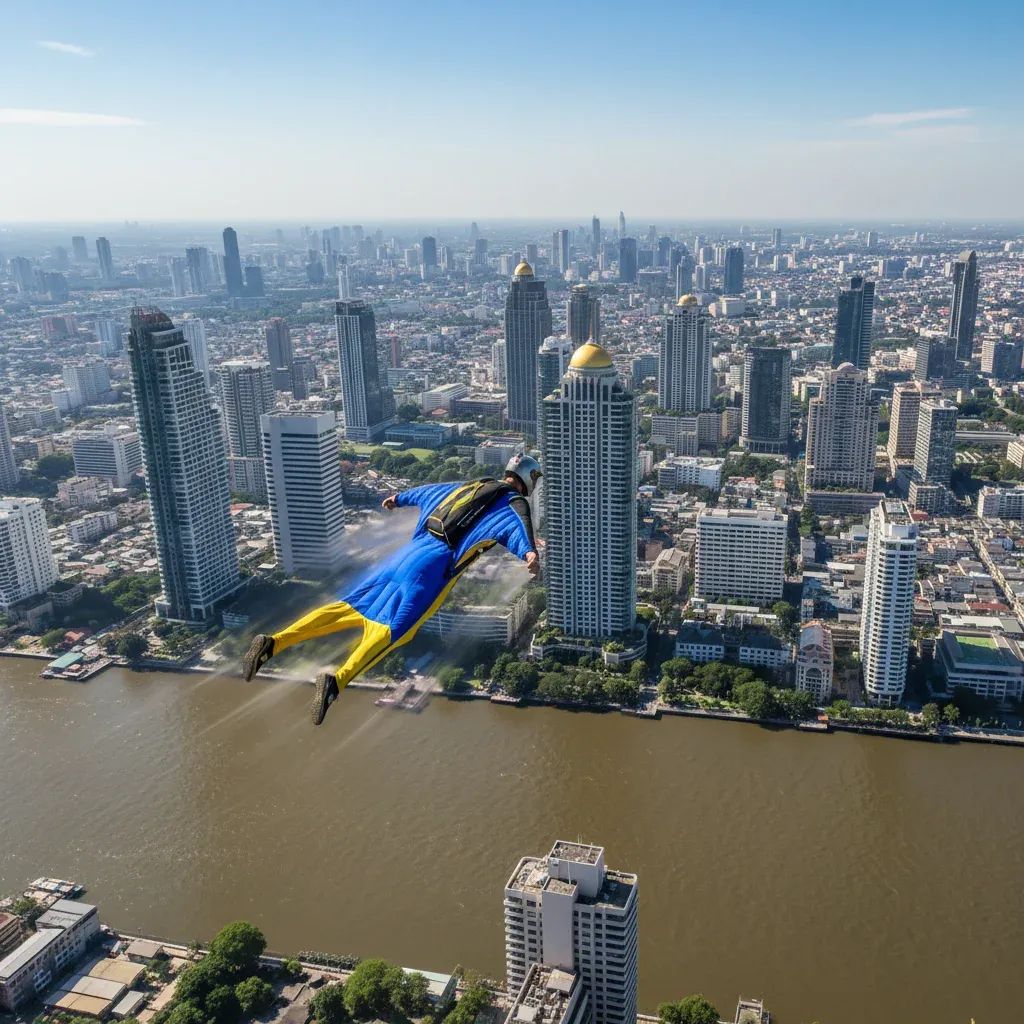
Thailand's government is planning a significant restructuring of its tourism and sports administration. The Bhumjaithai Party, which assumed government leadership earlier this year, has prioritized restructuring the Tourism and Sports Ministry as a key initiative. The plan would establish a standalone Sports Ministry while merging tourism under Culture's umbrella by late 2026 or early 2027.
Why This Matters
The motivation for change is straightforward: Tourism and sports have occupied an uneasy marriage for years, with competing priorities and fragmented authority. The reasoning is that tourism agencies lack authority over the cultural assets that actually drive visitor appeal—Songkran, temple circuits, regional cuisine, traditional weaving—which currently live under Culture's jurisdiction. Conversely, Thailand's sports sector lacks dedicated ministerial focus while tourism commands most administrative attention and funding allocation.
• Implementation timeline: If approved by Parliament, operational handovers would cascade into 2027, creating a transition period where restructuring takes effect.
• Tourism agencies' potential new home: The Tourism Authority of Thailand (TAT), Department of Tourism, Tourist Police, and DASTA could transfer to a merged Ministry of Culture and Tourism, while sports entities establish a dedicated Sports Ministry.
• Policy direction may shift: Government officials have indicated potential interest in visitor quality considerations, though specific policy changes remain under discussion in the planning phase.
The Core Problem: Two Missions, One Ministry
For decades, Thailand's tourism bureaucracy has functioned despite—not because of—its structure. The Ministry of Tourism and Sports combines fundamentally misaligned mandates: international visitor attraction versus domestic athletic development. When annual budgets are allocated, tourism typically receives the majority of resources while sports receives a smaller allocation.
The Bhumjaithai diagnosis: Reunite tourism with Culture, where it logically belongs; give sports its own ministerial platform to develop elite athletes and build hosting capacity for international competitions.
Precedent From Abroad: Lessons in Mixed Outcomes
Other nations have tested combining culture and tourism with varying results. China, Turkey, Indonesia, and Egypt have leveraged combined culture-tourism ministries to various degrees. France established a dedicated sports ministry to centralize policy around sports development, and Thai officials have referenced this example.
However, restructuring carries execution risk. International experience suggests that budget constraints, not organizational charts alone, ultimately govern outcomes. Thailand's experience will hinge on whether sufficient funding accompanies the structural changes.
The Fragmentation Challenge: Multiple Agencies, Unclear Authority
Thailand's tourism administration currently involves multiple agencies spanning different ministries. This diffusion has created overlapping responsibilities and coordination challenges.
Consider coordination examples: Marine park regulations, beach management, and tourism marketing involve different agencies. Temple access rules, conservation standards, and temple tours similarly involve separate entities. When issues arise—such as environmental degradation or conservation conflicts—decision-making can be complicated by unclear authority lines.
Industry groups have long indicated that streamlined governance could accelerate decision-making and align incentives. A unified tourism ministry under Culture could theoretically improve coordination.
Impact on Tourism Operators and Hospitality Workers
Administrative Transition
Expect a transition period where reporting structures and agency mandates may shift. Specific implications for hospitality and tourism operators could include:
Permit and approval processes may change. Coordinating festivals and events currently requires navigating multiple ministries. A merged structure could potentially streamline this process, though actual timelines will depend on implementation.
Heritage site management could see changes. The TAT and Culture Ministry have historically had different priorities regarding commercialization and conservation at temples and national parks. Consolidating them could provide clearer direction, assuming governance mechanisms function effectively.
Market segments may experience different impacts. The government has discussed potential policy adjustments around visitor management, though specific implemented policies remain unclear. Operators in different tourism segments should monitor how policies develop.
Impact on Sports Industry Participants
Gym owners, event promoters, and athlete management firms could potentially see dedicated policy attention for the first time. A standalone ministry could potentially expedite licensing reforms and channel public funds into sports development, though actual funding levels remain to be determined when the government releases budget proposals.
Monitor the 2027 budget cycle (to be released late 2026) for actual funding commitments. Without commensurate budget increases, the restructuring may represent organizational change rather than substantive policy shifts.
Long-Term Residents and Expat Communities
The restructuring is primarily administrative. Visa rule changes and policy shifts may occur as part of broader government initiatives, though these would be separate from the ministry reorganization itself. Established expat communities with long-term resident visas or work permits are unlikely to experience significant direct impacts from the structural reorganization.
Legislative Timeline and Political Realities
The restructuring plan is currently in the development and consultation phase. Once draft legislation is formally submitted, it would typically undergo agency consultation and Cabinet consideration before moving to Parliament, though specific timelines have not been publicly confirmed.
Anutin Charnvirakul, Bhumjaithai Party leader, has framed the reform as potentially improving coordination and strategic focus. Opposition lawmakers have questioned whether merging ministries genuinely solves coordination problems or creates different challenges.
Execution Challenges
Even if the restructuring is approved, operational implementation would face various coordination requirements. Questions remain about:
• How agencies currently working together will maintain effective coordination during and after transitions
• Budget allocations for the new structures
• Personnel and administrative details of the transition
What to Monitor: Key Signals of Implementation
Parliamentary action: The pace and nature of legislative consideration will indicate how serious the government is about pursuing this restructuring.
2027 budget proposals: The fiscal year 2027 budget will clarify actual funding commitments and whether resources are allocated to support the new structures.
Official implementation announcements: Government agencies should eventually provide details about transition timelines and specific organizational changes.
The Path Forward
The Bhumjaithai Party's restructuring plan reflects an intention to improve coordination between tourism and sports administration. Whether this delivers measurable improvements will unfold over the coming months as the proposal moves through the legislative process and, if approved, into implementation.
For residents, operators, and those in relevant industries, the key is to monitor official government announcements and budget allocations as the plan develops. The broad direction is clear, but many specific details remain to be determined through the legislative and budgeting processes ahead.


