
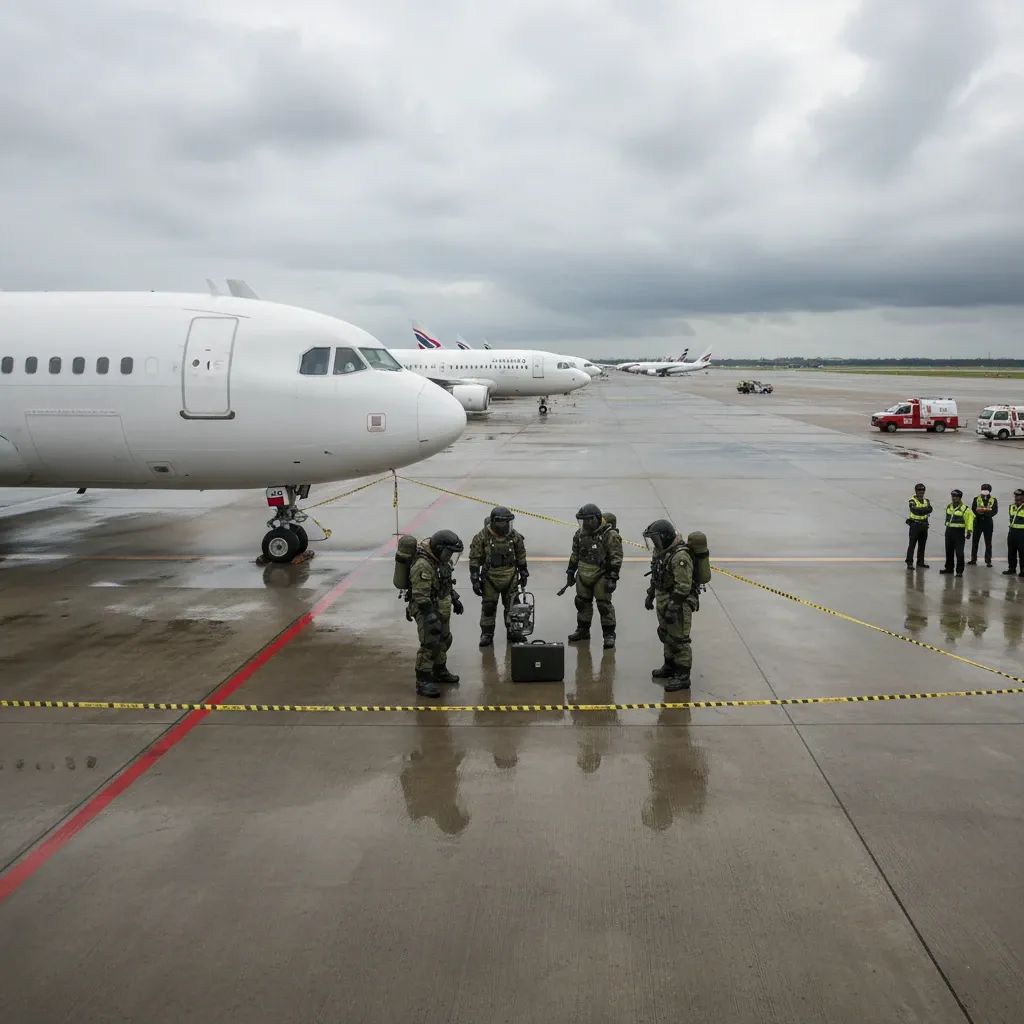
New Airport Security Measures Target Drug Smuggling—Here's What You Need to Know
Thailand's government has introduced six new airport security measures aimed at combating drug smuggling and protecting travelers from unwitting involvement in narcotics trafficking. Prime Minister Anutin Charnvirakul, who also serves as Interior Minister, has emphasized that these measures represent a significant shift in how Thailand's airports will operate and who will be subject to enhanced screening.
Why This Matters
• Criminal groups may attempt to recruit travelers: Authorities warn that individuals at airports may be approached and asked to carry items or packages. Thai law does not recognize intent as a defense—possession of narcotics, regardless of whether you knowingly agreed to carry them, constitutes a criminal offense.
• Drug trafficking carries severe penalties: Conviction for drug-related offenses in Thailand results in substantial prison sentences. First-time offenders can face sentences of 5 years or more, with sentences increasing based on the quantity involved.
• Airport procedures will change: Enhanced security measures will affect departure processes, including additional screening and inspections for both passengers and airline staff.
The Six New Security Measures
1. Enhanced Departure Screening
Both passenger and crew luggage will undergo advanced X-ray screening, followed by visual inspections and canine unit checks. Additional sniffer dog teams have been deployed to screens on flights to high-risk destinations. Random bag inspections may occur at gates even after passengers have cleared initial security checkpoints.
2. Stricter Rules for Airline Personnel
Airlines are now required to enforce policies preventing cabin staff, ground handlers, and cockpit crew from carrying packages, cash, or items for third parties. Violations will result in work permit revocation, aviation industry blacklisting, and criminal prosecution. This follows several high-profile cases involving airline staff and narcotics smuggling.
3. Data Sharing Between Agencies
The Thailand Immigration Bureau, Customs Department, Airports of Thailand, and Royal Thai Police are now coordinating through enhanced information-sharing protocols. This allows authorities to cross-reference travel patterns, prior convictions, and travel histories to identify suspicious activity. Passengers with patterns of travel to known drug-trafficking regions may be subject to additional screening.
4. Enhanced Background Checks for Airport Workers
All personnel with access to departure areas, cargo zones, and restricted airside spaces now undergo expanded background investigations and periodic drug testing. Government employees found facilitating trafficking face prosecution without exception.
5. Expanded Canine Unit Operations
Sniffer dog units are now active on both inbound and outbound flights, with increased scheduling on routes identified as higher-risk. Operations have been expanded to include additional time periods and flight schedules.
6. Final Security Checks Before Boarding
For flights flagged as higher-risk destinations, authorities will conduct additional inspections immediately before boarding. Random passengers may undergo bag inspections, and crew will face final checks before boarding doors close.
Understanding Thailand's Drug Laws
Thailand enforces strict narcotics laws with no distinction between intentional trafficking and unwitting possession. If you are found carrying illegal drugs, Thai prosecutors need not prove that you knowingly agreed to transport them. Possession alone is sufficient for prosecution. Conviction rates are high, and sentences are severe.
Foreigners convicted of drug offenses in Thailand typically serve their full sentences in Thai prisons. Your embassy can provide limited assistance—they cannot negotiate charges, arrange bail, or negotiate sentence reductions. Thailand does not offer amnesty or clemency for drug offenses, according to government statements.
A Growing Regional Challenge
The broader context for these measures reflects regional drug trafficking challenges. Thailand's borders and infrastructure continue to present law enforcement challenges. The government acknowledges that while airport security is being strengthened, a comprehensive solution requires sustained regional cooperation, treatment and rehabilitation initiatives, and economic development in areas affected by drug production and trafficking.
Practical Guidance for Travelers and Residents
• Never accept packages, luggage, envelopes, or items from strangers or casual acquaintances
• Do not agree to carry items for people you have just met, regardless of the offered compensation
• Never assume a small quantity of drugs will result in leniency
• Understand that your embassy has limited ability to assist in drug-related cases
• Be aware that airport processing procedures have changed and may take longer
If you suspect drug trafficking activity, you can report it through official channels. Thailand takes drug-related crimes seriously, and the government has directed law enforcement agencies to pursue investigations rigorously.
What Comes Next
These six measures represent Thailand's current airport security enhancement initiative. The government has emphasized that enforcement will be consistent and that no exceptions or leniency will be granted for drug-related offenses. Success depends on sustained implementation and continued cooperation between Thai agencies and international partners.


