
The cost and convenience equation that made Pattaya attractive to long-stay visitors is shifting. Rising accommodation costs, administrative fees that add up quickly, and a perceived shift toward budget mass tourism have sparked growing debate among expatriate communities about whether Pattaya still delivers value for foreigners who spend months—not days—in the city. Online forums and expatriate groups are filled with discussions about the changing economics, revealing fragmented views on the city's future appeal.
Why This Matters
• ATM withdrawal fees now stand at ฿350 per transaction, a steep cost for residents staying 4–6 months who cannot carry large cash amounts daily.
• Visa-free stays remain capped at 60 days; some advocates in online forums are calling for a 90-day extension to better accommodate long-term visitors.
• Rental prices and daily expenses are climbing, according to repeated complaints on expatriate forums, without corresponding improvements in service quality.
• The city's reputation is at a crossroads: bars remain packed and beaches busy, but trust is eroding among repeat visitors who built Pattaya's original appeal.
The Cost Creep No One Planned For
For decades, Pattaya has thrived on its ability to balance affordability with accessibility. But the equilibrium is shifting, according to discussions in expatriate communities. Long-term visitors—digital nomads, retirees, seasonal residents—report that small fees and incremental price hikes are accumulating into a financial burden that wasn't part of the original pitch.
Bank ATM surcharges are a frequent flashpoint in online discussions. At ฿350 per withdrawal, foreigners on extended stays face a choice: carry risky amounts of cash or accept a de facto tax on daily living. Fuel prices, transport costs, and utility bills have also climbed, though opinion is divided on whether this reflects Thailand-wide inflation or Pattaya-specific increases.
Rental market complaints tell a similar story on expatriate forums. Long-term residents report that accommodation prices have increased significantly over the past two years, with landlords citing renovations and demand from short-term tourists as justification. Many tenants report that the quality of accommodation has not improved in line with pricing—a disconnect that fuels the perception among forum participants that Pattaya is extracting value rather than creating it.
Visa Policy: The 60-Day Ceiling
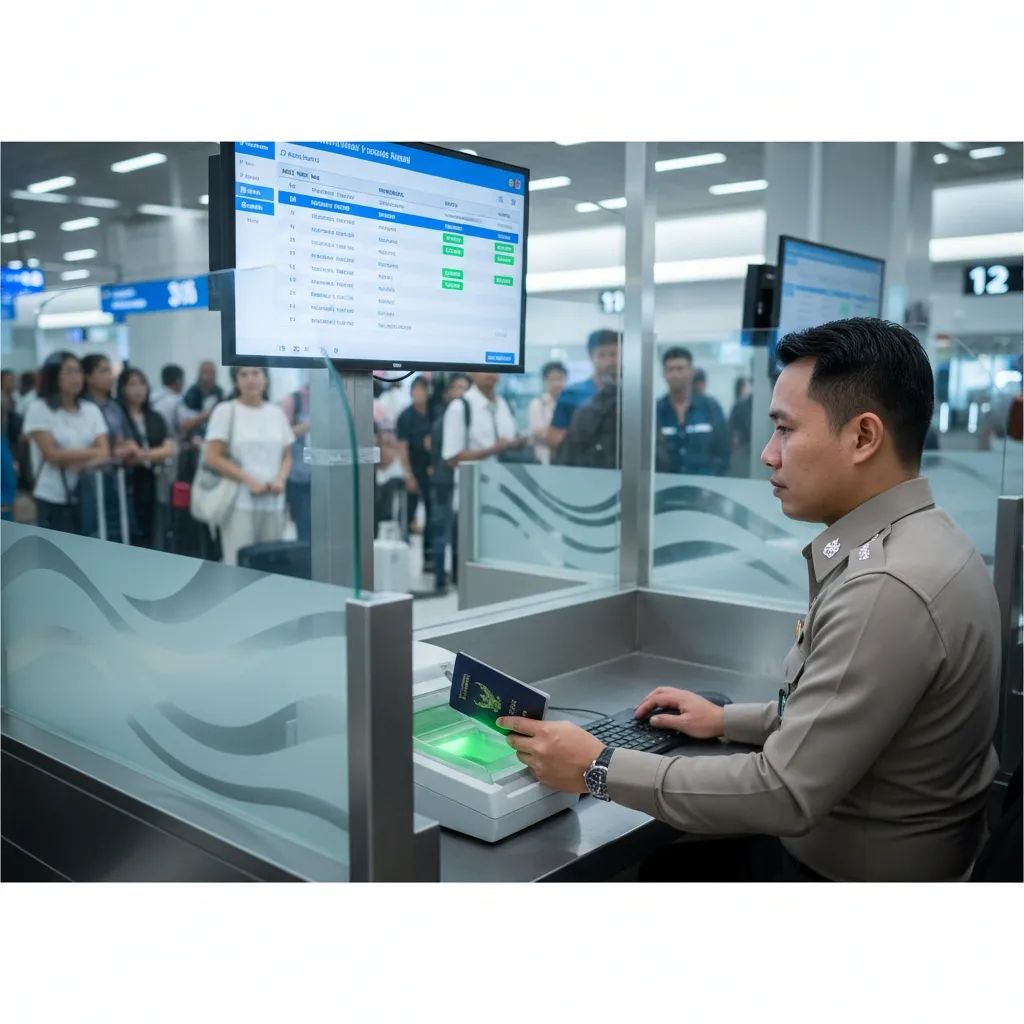
Thailand's Immigration Bureau currently offers visa-free entry for 60 days to nationals from a wide range of countries—a policy designed to stimulate short-term tourism. But for Pattaya, which has historically attracted visitors who stay for seasons rather than weeks, the cap is increasingly viewed as restrictive by online communities.
One recurring suggestion from expatriate forums and online groups is to extend the visa-free window to 90 days. Proponents argue that this would better align with the spending patterns of long-stay tourists, who rent apartments, patronize local businesses repeatedly, and contribute significantly to the economy. Thailand's Ministry of Foreign Affairs has made no official announcements regarding policy changes for 2026, but the conversation in expatriate communities reflects a broader tension: should Pattaya optimize for volume or value?
The city's appeal has always been its flexibility—easy entry, long stays, minimal bureaucracy. When that flexibility is constrained by administrative ceilings, the destination loses one of its core competitive advantages, according to online discussions.
What This Means for Residents
For foreigners living in Thailand's Chonburi Province, particularly in Pattaya, the changes discussed in expatriate communities translate into tangible adjustments in lifestyle, budget, and long-term planning.
Financial planning becomes more complex when costs are unpredictable. A visitor planning a 5-month stay must now account for higher rent, increased transaction fees, and fluctuating transport costs—all factors that add strain to monthly budgets according to forum participants.
Trust erosion is harder to quantify but equally consequential. Discussions about service inconsistencies and overcharging are not new in Pattaya forums, but they are becoming more frequent in expatriate discourse. When a destination's reputation shifts from "affordable and welcoming" to "expensive and extractive," the psychological contract with visitors breaks down. Even loyal returnees, according to online communities, begin to question whether the city still values their presence.
Visa constraints force artificial departures. A visitor who wants to stay 75 or 80 days must either apply for an extension—incurring fees, paperwork, and time—or leave and re-enter, which adds cost and inconvenience. For retirees and remote workers, this friction is a deterrent, according to forum discussions. Alternative options like tourist visa extensions or ED visas exist for some, but they require additional planning and resources.
The Reputation Debate: Cheap or Changing?
Pattaya's identity has always been contested, and online forums reflect this clearly. Is it a vibrant coastal city with diverse nightlife and cultural offerings, or a bargain-basement resort that caters to the lowest common denominator? The answer, according to expatriate discussions, has always been: both. But the balance is shifting.
Critics on expatriate forums argue that the city is optimizing for mass-market arrivals who stay briefly, spend little, and leave quickly, rather than attracting higher-spending long-term visitors. They point to overcrowded beaches, aggressive touts, and declining service standards as evidence that the model is changing.
Defenders counter that the city remains economically vibrant—bars are full, hotels are booked, and new developments continue to rise. They argue that the complaints represent a vocal minority of expatriate forum users who are nostalgic for a version of Pattaya that may no longer exist.
What both perspectives in expatriate communities agree on is that expectations are misaligned. Long-term visitors expect the city to reward loyalty with stability and value. Instead, they perceive a system that treats them as interchangeable revenue sources. That perception, whether fair or not, is driving a reassessment of Pattaya's place in the regional tourism hierarchy among online communities.
The Infrastructure and Service Gap
Thailand's Tourism Authority has positioned Pattaya as a destination for health tourism, sports events, and long-stay visitors—segments that require high service standards and reliable infrastructure. But on the ground, the execution is uneven, according to reports from expatriate communities.
Public transport remains limited. The city's famous baht buses operate on informal routes with inconsistent pricing, and the planned light rail project has faced delays. For long-term residents, this means continued reliance on motorbikes or private cars, adding to daily costs.
Healthcare is a bright spot for the long-stay community. Pattaya Memorial Hospital and Bangkok Hospital Pattaya offer international-standard care, a critical factor for retirees and older long-stay visitors. Access to affordable everyday services—from laundry to groceries to reliable internet—remains important for extended stays, though residents report increased costs.
The nightlife economy, which has always been Pattaya's engine, is also under strain. Rising rents for bar and restaurant operators are being passed on to customers, and some long-time establishments have closed. The result is a higher price floor for entertainment and dining, which further narrows the city's value proposition according to online discussions.
What Happens When Expectations Diverge
The fragmentation visible in online forums and expatriate communities is not just noise—it is a signal of misalignment. Pattaya's model has always relied on repeat visitors who spread the word, return regularly, and anchor the city's long-term viability. When that base shows signs of wavering in online discussions, the entire ecosystem is affected.
The challenge is not that Pattaya is expensive. Many global resort cities are expensive. The challenge is that costs are rising without clear accompanying improvements. Higher prices can be justified by better service, cleaner streets, more reliable infrastructure, or enhanced safety. But when prices rise and service stagnates—or declines—the value equation changes for the long-stay community.
For Thailand's local government in Pattaya, the feedback from expatriate communities suggests a path forward requires a decision: continue to optimize for volume and accept visitor churn, or invest in the quality and consistency that long-term residents require. The latter is harder and more expensive, but it is the way to preserve the city's core asset—its reputation as a place where people want to stay.


