
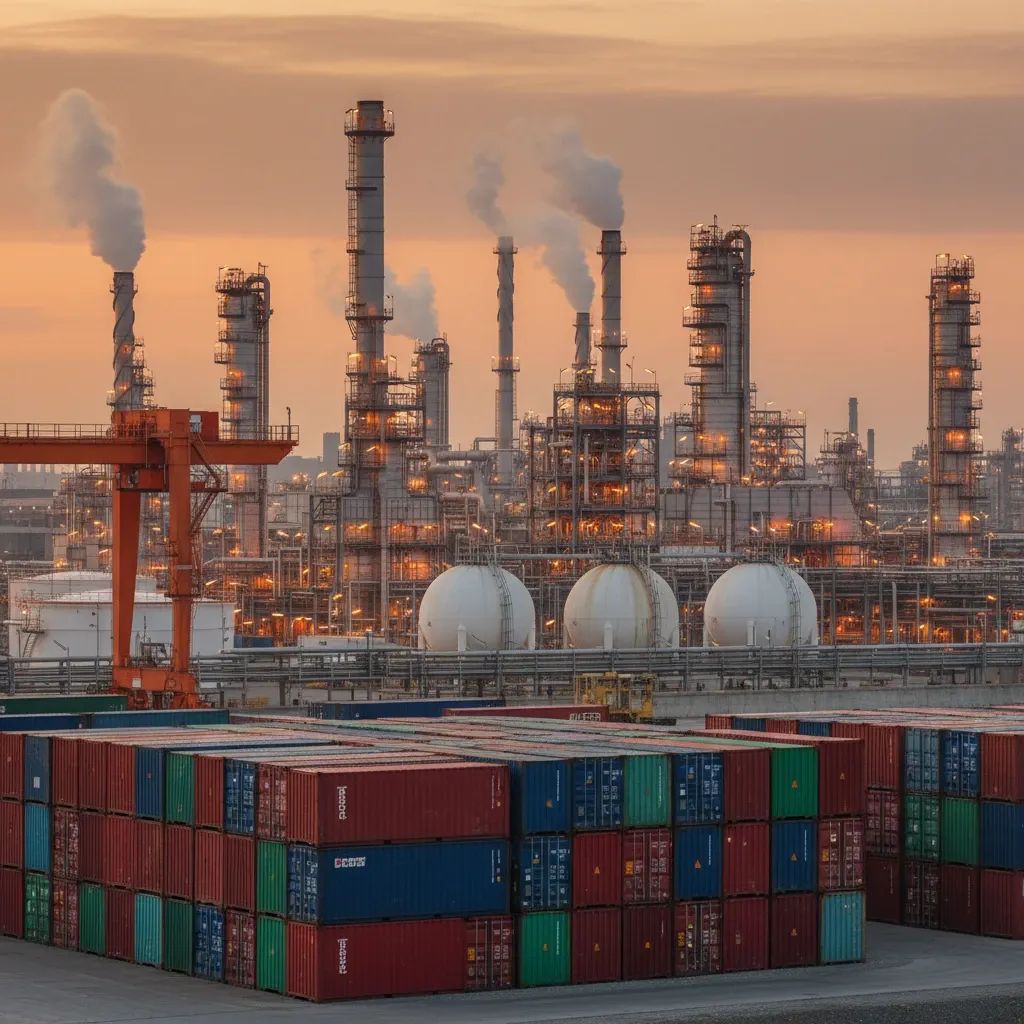
Academic Warns: Middle East Tensions Could Disrupt Thailand's Plastic Supply
An academic expert has raised concerns that geopolitical turmoil in the Middle East could disrupt supplies of naphtha—the petroleum byproduct essential for producing plastics and packaging materials. Since Thailand imports the majority of its naphtha via Middle Eastern trade routes, including through the Strait of Hormuz, supply interruptions pose real risks to the country's plastics manufacturing sector.
Why This Matters for Residents
Thailand depends heavily on Middle Eastern crude oil and refined naphtha products. If Middle East tensions escalate or disrupt shipping lanes, plastic manufacturers could face higher raw material costs. This could eventually translate into higher prices for everyday packaged goods—from food containers to shampoo bottles to take-away packaging.
Plastics are embedded throughout Thailand's supply chains: food and beverage packaging, consumer products, e-commerce logistics, and export agriculture. A sustained cost increase would likely ripple through retail prices and affect household budgets, particularly for families with tight margins.
The Supply Chain Vulnerability
Thailand's petrochemical industry relies on steady naphtha flows to produce plastic resins. The Strait of Hormuz—a critical shipping chokepoint through which a substantial portion of global seaborne oil passes—remains the primary transit route. Any closure, disruption, or rise in shipping insurance costs would increase both raw material prices and logistics delays.
Industry analysts warn that if naphtha supplies tighten significantly, plastic resin costs could rise substantially, and these increases would likely be passed on to consumers through higher retail prices for packaged items.
Potential Price Scenarios
Experts have outlined potential scenarios if naphtha supply is disrupted:
• Plastic resin costs could experience significant increases, potentially in the range of 30-40% or higher for certain grades
• Packaging products (bottles, bags, film wrap) could see wholesale cost rises of 50-70%
• Consumer prices for packaged goods could rise meaningfully—though claims of "doubling" lack specific support and remain speculative
These are potential scenarios based on worst-case supply disruptions, not firm predictions. The actual impact depends on the severity and duration of any Middle East disruption.
What Thailand Is Doing
Government agencies and private industry are exploring diversification strategies:
• The Ministry of Energy is examining alternative crude suppliers beyond the Middle East, including sources from West Africa, the United States, India, and Russia
• Some petrochemical manufacturers are investigating liquefied petroleum gas (LPG) as an alternative feedstock when naphtha prices spike
• Longer-term research is underway into biomass-derived chemicals and green hydrogen routes, though these remain more expensive than conventional fossil-based production
Practical Advice for Households and Businesses
For consumers: Monitor prices on essential packaged goods. Consider buying reusable containers to reduce packaging waste and per-unit costs. Avoid panic-buying, which can create artificial shortages.
For businesses: Where possible, negotiate fixed-price contracts with resin suppliers. Explore packaging designs that use less material or recycled-content resins to help offset potential cost increases.
What Happens Next
The naphtha supply situation remains uncertain and dependent on how Middle East tensions evolve. Government and industry responses are still developing. Thailand faces a genuine supply-chain vulnerability, but diversification efforts and alternative technologies offer potential mitigation strategies.
Residents should stay informed about developments, but avoid unnecessary alarm. The situation underscores the importance of supply-chain resilience and long-term energy diversification for Thailand's economy.


