
Taiwan's third confirmed hantavirus case of 2026—a man bitten by a rat at his workplace—underscores a persistent public health risk that extends across Southeast Asia, including Thailand. For residents and businesses here, the incident serves as a timely reminder: rodent-borne diseases remain a workplace hazard that demands active management, particularly in sectors where human-rodent contact is unavoidable.
Why This Matters
• Workplace exposure is now a confirmed transmission route—Taiwan's latest case involved a direct rat bite at a northern Taiwan facility on April 7.
• Thailand classified hantavirus as its 14th dangerous communicable disease recently, requiring suspected cases to be reported within 3 hours and triggering 42-day quarantine protocols for high-risk contacts.
• The Seoul virus strain, identified in Taiwan's third case, is not transmissible between humans, but carries a mortality rate between 1% and 15% in Asia.
• Rodent prevalence in Southeast Asia varies by country, with Thailand at 4.36%—lower than some neighbors but still a concern.
Taiwan's Latest Case: A Workplace Wake-Up Call
The Taiwan Centers for Disease Control confirmed on May 25 that a man in his 40s contracted hantavirus syndrome after being bitten by a rat while working in northern Taiwan. He developed fever, chills, and limb weakness on May 2—nearly a month after the April 7 bite. Genetic sequencing identified the Seoul virus strain, a rodent-borne pathogen that does not spread between humans.
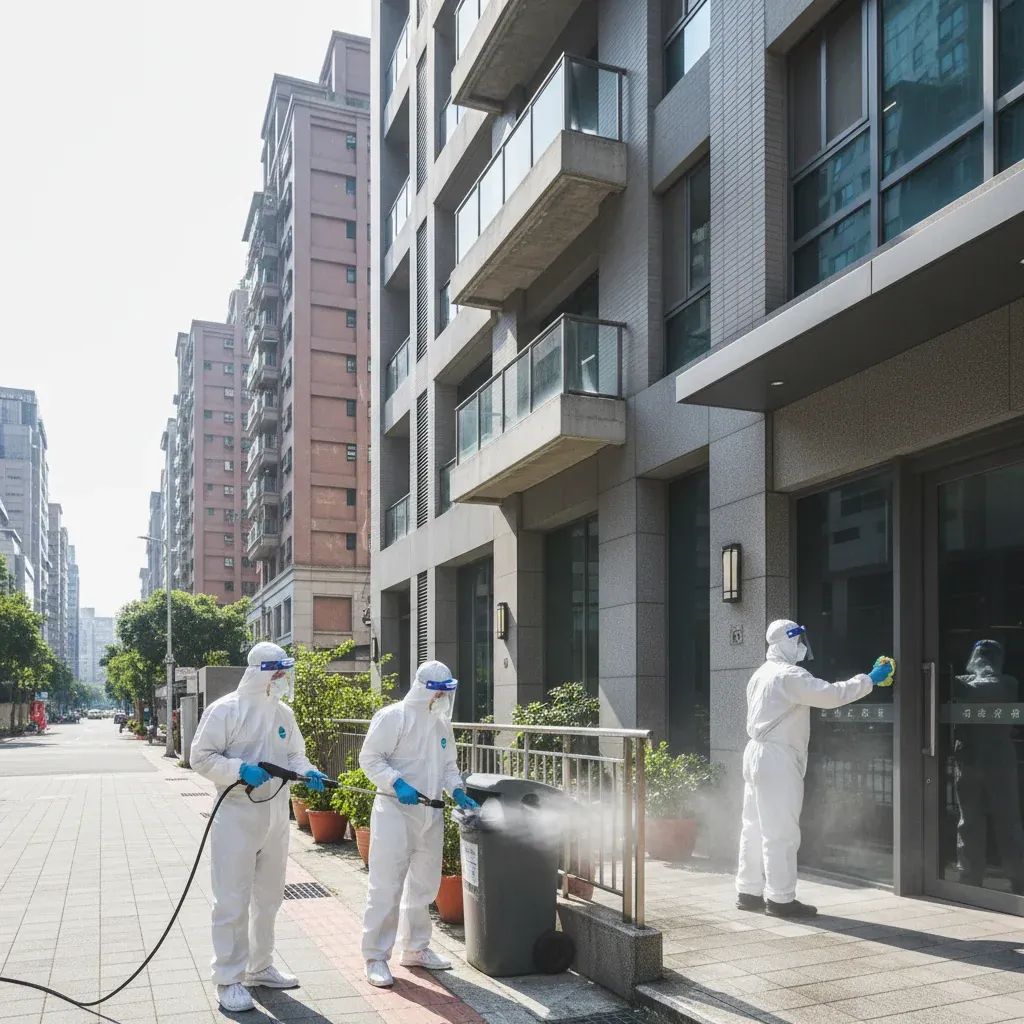
This marks Taiwan's third case in 2026, following a fatal case in Taipei City's Da'an District in January and a March case in New Taipei City. Health authorities have launched rat trapping and disinfection operations at both the patient's residence and workplace, while monitoring close contacts.
Regional Context: Why Thailand Should Pay Attention
Thailand has taken an unusually aggressive stance on hantavirus preparedness. The kingdom recently elevated the disease to dangerous communicable status, joining a list that includes cholera, plague, and SARS. The designation triggers strict protocols: suspected cases must be reported within 3 hours, investigations must begin within 12 hours, and high-risk contacts face 42-day mandatory quarantine.
This proactive classification reflects a regional reality. Hantaviruses circulate in Southeast Asian rodent populations, and Thailand has identified a local strain called THAIV, carried by the giant bandicoot rat. The disease in Thailand primarily presents as hemorrhagic fever with renal syndrome (HFRS), which targets kidneys and blood vessels.
What This Means for Residents and Businesses
For anyone living or operating in Thailand, Taiwan's workplace case highlights several practical risks:
Occupational Exposure Zones: Certain industries present elevated risk. Taiwan's investigations have linked infections to workers handling rats on breeding farms. In Thailand, sectors involving food storage, waste management, and agricultural supply chains should assess their rodent control protocols.
Transmission Pathways: The primary route is inhalation of aerosolized virus from dust contaminated by rodent feces, urine, or saliva. Direct bites also transmit the virus. Cleaning activities in infested areas can inadvertently spread particles, making proper ventilation, masks, gloves, and diluted bleach disinfection essential.
Seasonal Surges: Rodent populations tend to spike in spring, potentially increasing exposure risk during this period. Businesses should align intensified control measures with seasonal trends.
Silent Transmission: Some patients report no obvious rodent contact, suggesting environmental exposure through contaminated objects. This underscores the need for routine environmental surveillance beyond reactive extermination.
Taiwan's Government Response: A Regional Model
Taipei City and New Taipei City have rolled out comprehensive rodent control campaigns, deploying specialists who offer free inspections, identify access routes, and deliver customized sanitation recommendations. The capital has expanded tracking methods, tightened sanitation at markets—installing mesh in drains, sealing building gaps—and mandated that operators submit periodic rat-control reports.
The Taiwan Ministry of Environment has urged local governments to broaden urban sanitation measures, including sewer disinfection and coordinated pest control. Central to Taiwan's messaging is the "Three No's" principle: "Don't let rodents enter. Don't let rodents stay. Don't let rodents eat your food." This straightforward framework remains the most effective preventive measure in the absence of a licensed vaccine.
Symptoms and What to Watch For
Hantavirus symptoms typically appear 1-8 weeks after exposure. Initial symptoms include intense headaches, back and abdominal pain, fever, chills, and nausea. Later stages may involve low blood pressure and kidney issues. There is no licensed vaccine or specific antiviral treatment—management focuses on close clinical monitoring and addressing complications.
Anyone with fever above 38°C plus chills, muscle pain, headache, stomach pain, nausea, vomiting, or diarrhea after potential rodent exposure should seek immediate medical attention.
Practical Steps for Thailand-Based Operations
Environmental Controls: Seal openings that allow rodents to enter buildings. Store food securely. Maintain clean premises, especially in food-handling, warehousing, and waste-processing areas.
Safe Cleanup Protocols: Dampen contaminated areas before cleaning. Avoid dry sweeping or vacuuming rodent droppings. Wear masks and gloves. Use diluted bleach for disinfection.
Reporting Mechanisms: In Thailand, report suspected cases within 3 hours. Businesses should establish internal protocols for employees who report rodent bites or potential exposure.
Health Monitoring: Seek immediate medical attention if symptoms develop after potential rodent exposure.
Cross-Border Awareness: Thailand has increased surveillance and health screening at international entry points. Businesses with regional supply chains should integrate rodent control into operational risk assessments.
The Bottom Line
Taiwan's consistent case count suggests endemic circulation rather than epidemic spread. For Thailand, the formal classification of hantavirus as a dangerous communicable disease represents a structured, proactive response. While rodent prevalence in Thailand (4.36%) is manageable compared to some neighbors, vigilance remains essential.
The lesson is clear: hantavirus is not an outbreak waiting to happen—it is a persistent, manageable risk that demands workplace accountability and environmental discipline. For residents and businesses in Thailand, the time to assess rodent control protocols is not after a bite, but before one occurs.


