
Silent Threat: How COVID-19 Affects Pregnancy and Placental Health
The Thailand Ministry of Public Health is updating maternal care standards based on growing evidence: Even mild COVID-19 infections during pregnancy can damage the placenta in ways routine ultrasounds often miss. Women who experienced minor symptoms weeks or months ago may need enhanced monitoring to protect their unborn children.
Why This Matters
• Even asymptomatic COVID-19 can trigger lasting placental injury—traditional symptom-based risk screening captures only part of the danger.
• Enhanced surveillance is now standard: pregnant women who have had COVID-19 need growth ultrasounds every 3–4 weeks from the third trimester onward, not just routine checks.
• Vaccination before conception offers superior protection compared to infection-acquired immunity, and remains safe at any stage of pregnancy.
• Surgical risks compound: pregnant women who may require cesarean delivery face added hazards if infected within 4 weeks of the procedure.
How COVID-19 Damages the Placenta
When SARS-CoV-2 enters the maternal bloodstream, the immune system responds by producing antibodies. These protective proteins cross the placental barrier and protect the developing baby—often providing more protection than the mother herself has. This transfer is particularly strong if maternal infection or vaccination occurs in the first or second trimester.
However, this protection comes at a cost. Studies of placentas from COVID-infected pregnancies reveal multiple types of damage: micro blood clots, tissue swelling, cell death, and abnormal blood vessel growth. These injuries compromise how the placenta delivers oxygen and nutrients to the developing baby.
Why this matters to you: The damage occurs even in women who felt only mildly sick. The assumption that a mild case is a safe case has proven dangerously incomplete. This is why enhanced monitoring is now standard practice.
Understanding Your Body's Immune Response
Your body produces three types of antibodies when exposed to COVID-19, each with a specific role in protecting your baby.
IgG antibodies function as your baby's primary shield. These are actively transported across the placenta—especially during the first and second trimester—and can reach higher concentrations in your newborn's blood than in your own. These antibodies neutralize the virus and recruit immune cells to destroy infected particles. Research shows that vaccinated mothers produce higher IgG levels than naturally infected mothers, which translates to better infant protection.
IgA antibodies do not cross the placenta but appear in breast milk. If you had symptoms during infection, you'll have elevated IgA in your milk, providing protection for your baby's respiratory and digestive tract immediately upon nursing. This is why breastfeeding remains beneficial after COVID-19 infection.
IgM antibodies emerge first during infection but cannot protect the fetus. Their presence signals acute or recent infection, useful for diagnosis but offering no fetal defense.
The practical takeaway: Vaccination early in pregnancy generates the strongest fetal protection. If you're already pregnant, vaccination at any stage remains safe and beneficial.
How Omicron Changed the Risk Picture
Early COVID-19 variants like Alpha and Delta caused severe placental inflammation. This rare but serious condition devastated placental tissue and risked fetal death, even when the fetus itself was uninfected. Unvaccinated mothers faced the highest risk.
Omicron, which has dominated Thailand since early 2022, shows a crucial difference: it generally produces milder placental damage. Fewer cases develop severe inflammation, and vaccination status appears to matter less with this variant—suggesting Omicron itself is less damaging to placental tissue.
This is reassuring but not reason for complacency. Mild damage is still damage. Blood clots, inflammation, and reduced oxygen remain present, just in less extreme forms. Monitoring remains essential.
When Infection Timing Matters
Infection timing during pregnancy reshapes consequences in distinct ways.
First-trimester infection increases the risk of babies born smaller than expected for their gestational age, suggesting early placental compromise limits fetal growth. Intrauterine transmission remains rare at this stage, but maternal immune responses create fetal inflammation.
Second-trimester infection similarly raises the risk of smaller babies. This trimester is critical for placental development, and infection-induced inflammation can permanently impair blood vessel architecture.
Third-trimester infection creates a different danger profile: increased risk of preeclampsia, placental abruption, and postpartum hemorrhage. The mature placenta is already under significant metabolic stress and may fail more easily when faced with viral infection. Third-trimester infected women also face higher chances of preterm delivery through induction or emergency cesarean section.
All trimesters carry risks including preterm birth and NICU admission. The rarest but most serious complication is severe placental inflammation linked to stillbirth.
Surgical Complications: An Often-Overlooked Risk
Research from surgical outcome databases shows that COVID-19 infection substantially worsens results for patients undergoing surgery. Complications increase, and recovery becomes more difficult. For pregnant women in Thailand who may need cesarean delivery or emergency surgery, this adds real risk.
Elective surgeries should ideally be delayed until at least 4 weeks after COVID-19 infection, allowing time for viral clearance and immune stabilization. Emergency procedures require heightened anesthetic awareness and aggressive post-operative monitoring. Pregnancy itself changes your body's physiology, COVID-19 affects blood vessel function, and surgery creates additional trauma—these combined factors demand extra caution.
What This Means for Residents: A Practical Framework
If you are pregnant in Thailand and have had COVID-19, discuss the following with your obstetrician, regardless of your original symptom severity:
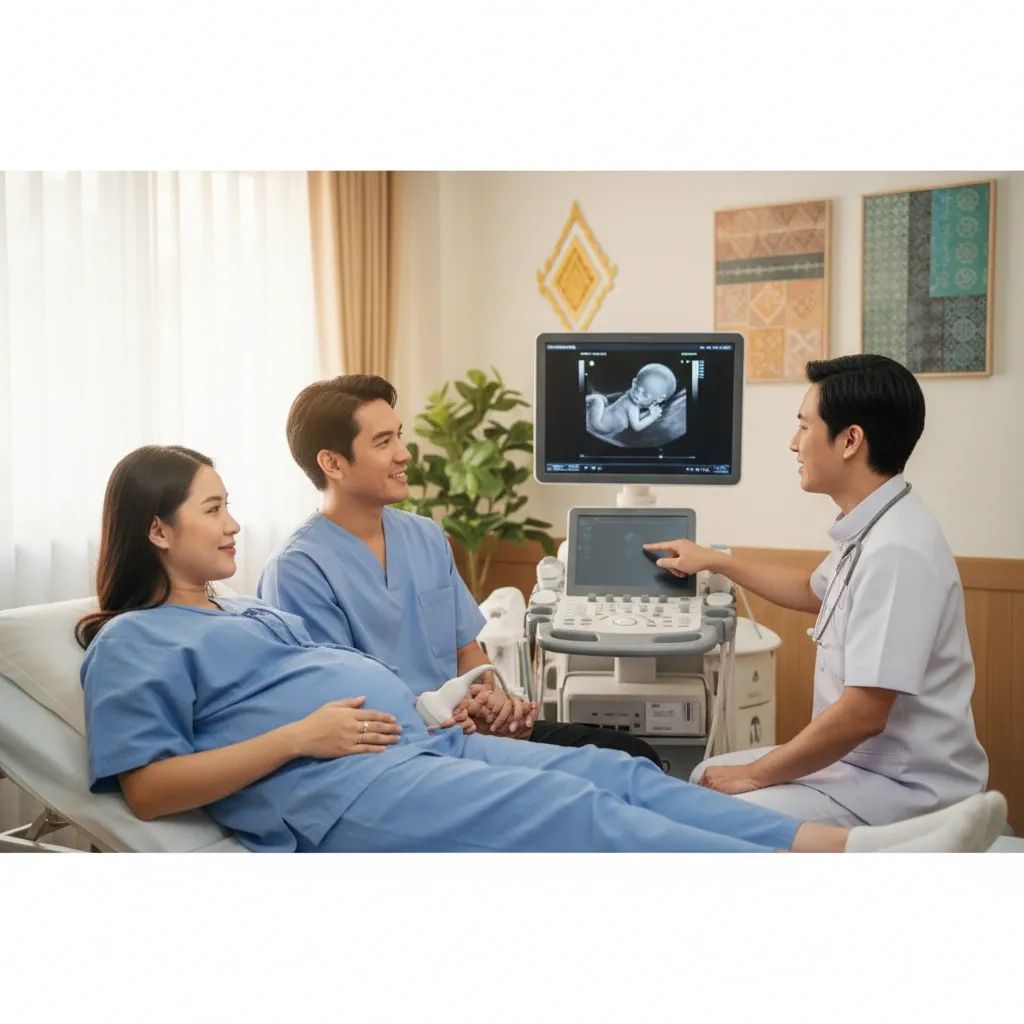
Third-trimester surveillance starting around week 28: Growth ultrasounds repeated every 3–4 weeks assess placental blood flow, fetal weight, and amniotic fluid volume. These scans catch growth problems and placental insufficiency before they become emergencies.
Weekly heart rate monitoring from weeks 32–34 onward: These brief, non-invasive assessments monitor your baby's heart rate patterns and movement, detecting distress early.
Blood pressure checks at every prenatal visit: Screen for gestational hypertension and preeclampsia, conditions that worsen when placental blood flow is compromised.
Know the warning signs: Severe headaches, visual disturbances, sudden facial or hand swelling, a sharp drop in fetal movement, or acute abdominal pain require same-day medical evaluation.
Thailand's public hospital system has begun integrating these protocols into standard maternal care, but private clinics vary in adoption. Expats and residents should confirm their provider follows current international guidelines for post-COVID pregnancy management. If your clinic dismisses COVID-19 as irrelevant to pregnancy monitoring, that suggests outdated protocols.
Vaccination: Your Best Prevention Strategy
COVID-19 vaccination during pregnancy is the single most effective strategy for reducing both maternal and fetal risk. Vaccination decreases severe maternal illness and demonstrably lowers the incidence of severe placental inflammation and stillbirth—the most tragic outcome.
Thailand's National Vaccine Institute recommends mRNA vaccines (Pfizer-BioNTech or Moderna) at any trimester. Booster doses are safe and encouraged. Vaccine-induced antibodies transferred to your fetus actually exceed those from natural infection, and they persist longer in infants. Early pregnancy vaccination (first or second trimester) maximizes placental antibody transfer efficiency.
Vaccination also protects against influenza, which should be given at the same time. Dual infection with both viruses amplifies placental and maternal harm.
Beyond vaccination: routine preventive measures still matter. Frequent handwashing, avoiding symptomatic individuals, masking in crowded indoor spaces, and maintaining physical distance reduce infection risk. For high-risk pregnancies, some physicians recommend limiting close contacts to vaccinated individuals and minimizing social exposure during the final weeks before delivery.
Moving Forward: Vigilance, Not Panic
As Thailand continues managing endemic COVID-19, the medical establishment is recalibrating how it understands pregnancy risk. The old model—symptomatic infection is dangerous, mild infection is safe—has been dismantled by evidence. Placental damage proceeds silently. Molecular injuries precede clinical symptoms by weeks.
Obstetricians and midwives nationwide are undergoing training to recognize subtle markers of placental compromise. Advocacy groups are pushing for standardized surveillance protocols in both public and private maternity settings. The conversation has shifted from "Should we worry about COVID-19 in pregnancy?" to "How do we systematically identify and manage the complications we now know occur?"
For women planning pregnancy in Thailand: Vaccination before conception provides maximal fetal protection and eliminates many pregnancy-specific risks. If conception occurs or pregnancy already exists, vaccination remains safe and effective at any stage. Should you contract COVID-19 during pregnancy, transparent communication with your healthcare provider combined with enhanced monitoring—precision, not panic—optimizes outcomes for both you and your child.
The antibodies your body produces will protect your baby. The vigilance you and your doctor maintain will protect both.


