
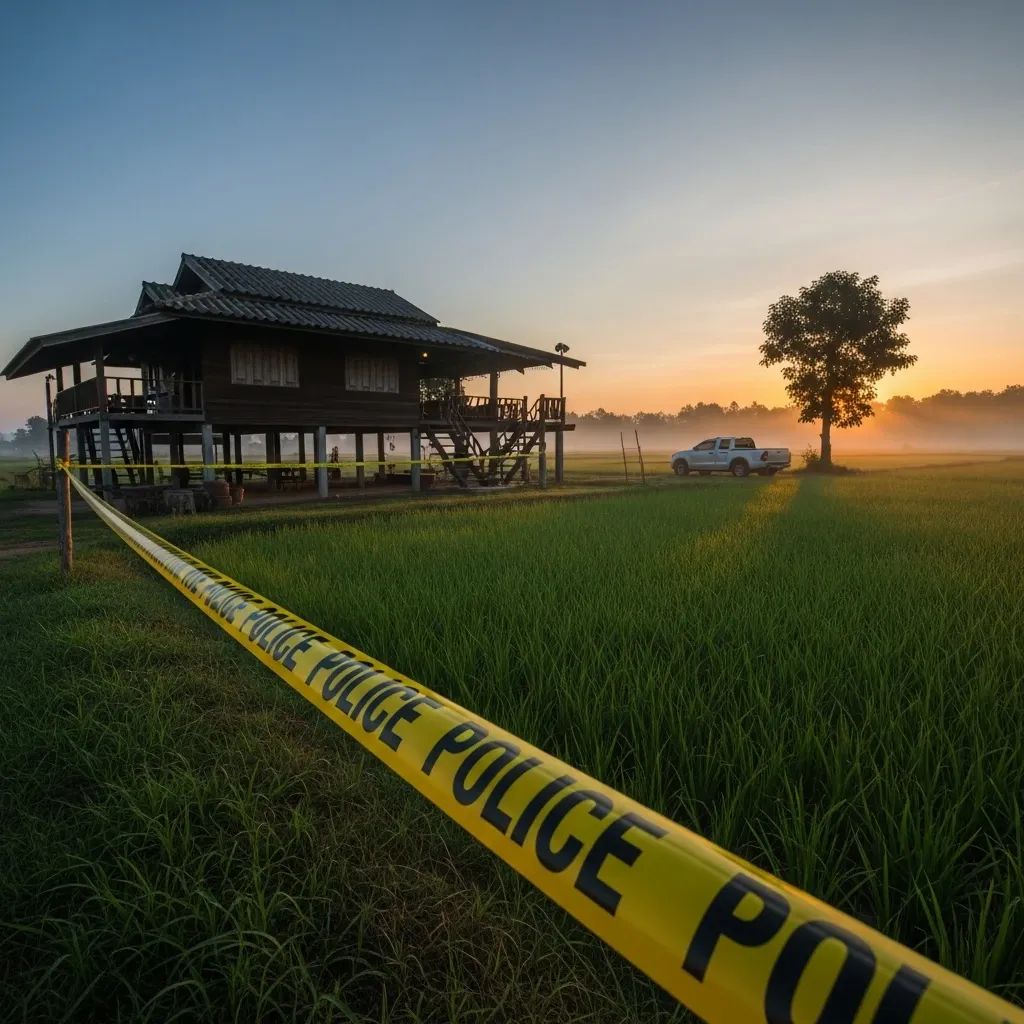
The Thailand firearms industry is undergoing a dramatic contraction, with at least one historic gun dealership in Bangkok pivoting to baking bread as sweeping regulatory crackdowns choke off inventory and customer access. The shift comes as the government races to overhaul Asia's second-highest private gun ownership rate following a string of deadly shootings.
Why This Matters:
• Permit freeze: Thailand has suspended all new firearm purchase permits and renewals as of August 2024, effectively halting legal gun sales.
• Import ban: A nationwide prohibition on importing firearms, in place since October 2023, has left dealers with dwindling stock and no resupply route.
• Law overhaul incoming: The Thailand Interior Ministry has 60 days to rewrite the 77-year-old Firearms Act, introducing real-time tracking, mental health checks, and ammunition quotas.
• Illegal market risk: Industry groups warn the crackdown may push buyers toward unregulated trafficking networks instead.
From Pistols to Pastries in Bangkok's Gun Quarter
Suchart and Friends Gun, a decades-old firearms retailer in the Wang Burapha district of Bangkok—the capital's traditional arms-trade hub—now displays sourdough loaves and sweet pastries where rifles once sat behind glass. Owner Warintorn Boonyachai pivoted roughly five months ago, training her staff through her separate baking school to produce artisan bread as firearm sales evaporated.
The bakery has proven unexpectedly viable, covering payroll and keeping the lights on. Yet Boonyachai told local reporters she still hopes for a policy reversal, noting that "selling guns is less tiring than selling bread." The quip underscores the abruptness of the industry's collapse: a business model that functioned for decades rendered obsolete within months.
Wang Burapha's narrow shopfronts, many family-run for generations, now face an existential question. While precise closure figures remain elusive, reports from the Thailand Firearms Traders Association confirm widespread distress. President Thititorn Bupparamanee has publicly warned that suspensions are strangling legitimate dealers, with many stores reporting near-empty inventory and zero new stock since the 2023 ban took effect.
The Regulatory Vise Tightens
The catalyst for the crackdown was a shooting at a Bangkok shopping mall in October 2023, which prompted an immediate freeze on firearm imports. That emergency measure has never been lifted. Then, in early August 2024, a 14-year-old gunman opened fire in a separate incident, triggering Prime Minister Anutin Charnvirakul to order an urgent wholesale review of Thailand's gun laws.
The resulting directives are among the most aggressive firearms restrictions in Southeast Asia. The government has halted not only new permits but also the controversial "welfare gun programs," which previously allowed Thailand public officials to purchase discounted weapons—a subsidy critics long argued incentivized unnecessary ownership.
More significantly, the Thailand Department of Provincial Administration is now conducting nationwide audits of all gun dealers, cross-checking sales records against issued permits. Simultaneously, the Thailand Revenue Department is examining tax filings for discrepancies, a move that signals the government suspects underreporting or grey-market activity.
Police have received orders to increase oversight of government-issued service weapons and to crack down on online trafficking, which has flourished on social media platforms and encrypted messaging apps. The double-pronged enforcement—targeting both legal dealers and illicit channels—reflects official alarm over Thailand's ranking as Asia's second-largest civilian gun market, behind only Yemen in per-capita ownership.
What the New Law Will Likely Require
The Thailand Interior Ministry must present draft amendments to the 1947 Firearms Act by early October 2024. Leaked outlines of the proposed changes include:
• Real-time tracking system: Every firearm would be digitally monitored from the moment it enters Thailand through customs, via point-of-sale, to final transfer or deactivation. The system aims to close gaps that currently allow weapons to "disappear" from official records.
• Three-year license caps: Current permits never expire. Under the new regime, owners would need to reapply every 36 months, undergoing fresh background checks each time.
• Mandatory mental health screenings: Applicants would face psychological evaluations alongside the existing criminal-record review. No such requirement exists under current law.
• Liability for negligent storage: Registered owners would be held criminally liable if their weapon is used in a crime by another person, incentivizing secure storage and vigilance.
• Daily ammunition reconciliation: Dealers and shooting ranges would be required to reconcile ammunition sales against inventory every 24 hours, creating an audit trail for every round sold.
• Temporary amnesty window: The draft reportedly includes a grace period for holders of illegal firearms to register them without facing prosecution, though details remain unconfirmed.
Penalties for violations would rise sharply, though specific sentencing guidelines have not been published. License fees are also expected to increase, though the magnitude is unclear.
Impact on Residents and Expats
For Thailand residents, the new rules translate to tighter eligibility and higher costs if you're considering legal firearm ownership for sport shooting or rural property security. Anyone currently holding a permit should prepare for a renewal cycle that will involve medical appointments and potentially invasive psychological testing—procedures unfamiliar to most current license holders.
Expats with hunting or competitive shooting backgrounds may find the process significantly more arduous than in their home countries. If you already own a firearm in Thailand, confirm that your registration is current and that your storage setup complies with emerging standards; the liability clause for negligent use could expose you to criminal charges if your weapon is stolen and misused.
For the broader public, the crackdown aims to reduce the risk of mass-casualty events in malls, schools, and public spaces—a priority that resonates in a country where firearms are easier to obtain than in most of Asia. However, law-enforcement analysts caution that choking off legal supply without dismantling trafficking networks may simply divert demand underground, where no background checks or tracking exist.
Industry Pushback and Unintended Consequences
The Thailand Firearms Traders Association argues that the government's approach conflates responsible dealers with black-market operators. By freezing imports and permits simultaneously, the policy leaves legitimate gun owners unable to service or replace aging equipment, while criminals continue sourcing weapons through porous borders with Myanmar and Laos.
Some analysts warn of a paradox: tighter legal controls without parallel investment in border enforcement and intelligence could inflate illegal gun prices, making trafficking more lucrative and organized-crime involvement more attractive. Thailand's geographic position, wedged between conflict zones and transit hubs, makes it vulnerable to smuggling routes that regulatory changes alone cannot sever.
Warintorn Boonyachai's bakery may be an outlier for now, but it could foreshadow a broader exodus from the legal firearms trade. If the Interior Ministry's amendments pass as drafted—and enforcement remains strict—expect more storefronts in Wang Burapha to repurpose their display cases for entirely different merchandise, leaving Thailand's once-thriving gun retail sector a relic of a more permissive era.


