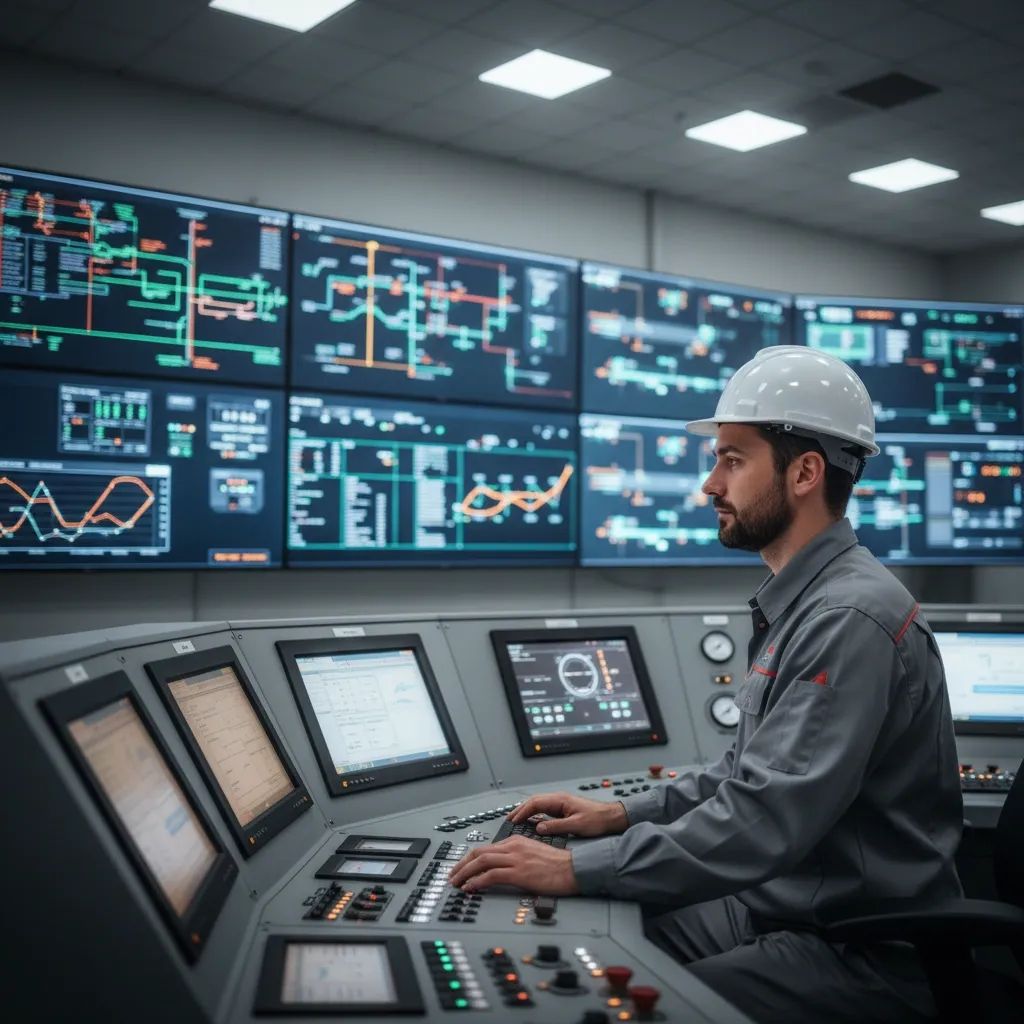
Thailand's power grid runs on natural gas—and that dependence is deepening, not easing. The Thailand Electricity Generating Authority (EGAT) reported that natural gas accounted for 64.41% of the national electricity system by May 2026, a figure that underscores the kingdom's stubborn reliance on a single fuel source despite ambitious renewable energy targets. For residents, this means rising electricity bills, exposure to volatile global commodity markets, and a slower-than-expected transition to cleaner power.
Why This Matters
• Energy cost pressure: Over 35% of natural gas used for power generation now comes from expensive liquefied natural gas (LNG) imports, driving up electricity tariffs across the country. Recent tariff adjustments have seen residential electricity rates increase by 8-12% over the past year, with further hikes anticipated as LNG imports rise.
• Geopolitical risk: The effective closure of the Strait of Hormuz in early 2026 sent LNG spot prices surging and exposed Thailand's vulnerability to supply disruptions.
• Stalled transition: Despite government pledges to achieve 60% clean electricity by 2050, natural gas is projected to exceed 60% of power generation through the medium term.
• Currency impact: The depreciation of the Thai Baht has worsened the affordability of imported fuel, squeezing household budgets and industrial competitiveness.
From Street Woks to National Infrastructure
The visible face of Thailand's gas dependency is the open-flame burner at every street food stall, the roaring wok fires that define Bangkok's sidewalks. But that combustion is a trivial sideshow. The real story is buried in transmission lines and power plants: the kingdom's electricity grid is fueled by gas at a rate that exceeds nearly every other Southeast Asian nation.
In the first quarter of 2026, natural gas consumption increased by 4.6%, driven almost entirely by power generation demand. By May, gas-fired plants were producing nearly two-thirds of all electricity flowing into EGAT's system. This isn't a temporary anomaly—it reflects decades of infrastructure investment and policy momentum that have locked the country into a hydrocarbon-heavy energy model.
What has changed is the source. Domestic production from the Gulf of Thailand is in decline. PTT Exploration and Production Public Company Limited (PTTEP) managed to push output to approximately 2,720 million standard cubic feet per day (MMSCFD) in early 2026, but that's a diminishing share of total supply. Pipeline imports from Myanmar, once a reliable backup, are dwindling and face ongoing risks until at least 2028. The slack is being picked up by LNG—expensive, imported, and subject to global price shocks.
The LNG Trap
Thailand is now projected to receive around 8.3 million tonnes per year of LNG through term contracts in 2026, with Qatar serving as the primary supplier, supplemented by Malaysia, Australia, and the United States. The government committed to importing an additional 1 million tonnes of US LNG this year, and PTT has signed a long-term deal to bring in 2 million tonnes annually from the Alaska LNG project for the next two decades.
The kingdom has built out substantial import infrastructure: two operational LNG terminals with a combined regasification capacity of 19 million tonnes per annum, and a third terminal at Map Ta Phut slated for completion by 2029. On paper, this capacity is more than adequate—some analysts argue it's already excessive, with existing terminals underutilized and capable of meeting demand until 2037.
But overcapacity hasn't translated into affordability. LNG is inherently more expensive than domestic gas or pipeline imports, and global events have made it worse. The Iran conflict and the Strait of Hormuz closure in early 2026 sent shockwaves through global commodity markets, driving up spot LNG prices just as Thailand was increasing its import volumes. For consumers, this translated directly into higher electricity costs, with the Electricity Generating Authority of Thailand (EGAT) citing fuel costs as the primary driver of upward tariff pressure.
What This Means for Residents
For the average household, the implications are straightforward: electricity bills are rising, and the trend is structural, not cyclical. The shift from domestic gas to imported LNG adds a cost premium that is passed directly to consumers through regulated tariffs.
Understanding Thailand's Regulated Tariff System: Thailand's electricity market operates under government regulation, meaning residential consumers cannot simply switch providers to find cheaper rates. The Energy Regulatory Commission (ERC) approves tariff adjustments based on fuel costs, meaning residents have limited ability to avoid price increases driven by rising LNG costs. This differs from competitive markets where consumers can select alternative providers.
What Residents Can Do: While individual options are constrained by the regulated system, residents have several practical steps to manage energy costs:
Install rooftop solar systems: The government's streamlined permitting process and net metering schemes allow homeowners to generate their own electricity. Even modest 3-5 kW systems can reduce monthly bills by 30-50%.
Energy efficiency upgrades: Investing in LED lighting, efficient air conditioning, and better insulation reduces overall consumption and provides immediate savings.
Join community solar initiatives: Some municipalities and housing developments are collectively investing in solar farms, offering residents affordable renewable electricity through cooperative arrangements.
Advocate for direct PPA access: Industrial and large residential users should explore whether they qualify for Power Purchase Agreements (PPAs) with renewable energy producers, which can bypass the expensive gas-fired grid entirely.
Industrial users face a similar squeeze, with energy-intensive sectors lobbying for direct Power Purchase Agreement (PPA) access to renewable energy producers as a way to bypass the expensive gas-fired grid.
The Thai Baht's depreciation compounds the problem. LNG contracts are typically denominated in US dollars, so a weaker Baht means higher costs in local currency terms. For a country where household energy affordability is already a political flashpoint, this dynamic is untenable.
There's also the question of energy security. Thailand's dependence on imported fuel makes it vulnerable to supply disruptions, price volatility, and geopolitical instability in far-off regions. The Hormuz crisis was a wake-up call: when a strait on the other side of the world closes, electricity prices in Bangkok spike.
The Renewable Energy Detour
The Thailand government's updated Power Development Plan (PDP) 2026–2050 sets a target of at least 60% clean electricity by 2050, with 50% from renewables and 10% from advanced clean technologies like small modular reactors (SMRs). The plan, expected to be finalized around August–September 2026, emphasizes solar photovoltaic, wind power, biomass, biogas, and battery energy storage systems (BESS).
On the ground, progress is visible but slow. The government is promoting rooftop solar with streamlined permitting and buyback schemes, and PTT and its subsidiaries are investing in renewable projects, carbon capture technologies, and biofuels. EGAT is expected to lead the development of SMRs, though that technology remains years from commercial deployment.
The problem is momentum. Despite the renewable energy rhetoric, natural gas is projected to account for over 60% of power generation in the medium term. LNG's share in Thailand's gas mix is expected to climb to 60% by the mid-2030s. The Gas Plan 2024 forecasts LNG will supply 43% of gas requirements by 2037—a timeline that pushes meaningful decarbonization well into the future.
Some energy analysts warn that continued investment in gas infrastructure—particularly the proposed third LNG terminal and expansion of gas-fired power capacity—risks locking Thailand into fossil fuel dependence. The more the country builds out gas import and generation infrastructure, the harder it becomes to justify stranded assets and pivot to renewables.
Regional Contrasts
Thailand's trajectory stands in contrast to some of its Southeast Asian neighbors. Singapore, despite generating 95% of its power from natural gas, is aggressively investing in solar, regional power grids, and low-carbon alternatives. The Philippines is treating natural gas as a bridge fuel with a clear "exit plan" focused on a faster pivot to renewables. Cambodia, with negligible gas consumption, aims for 70% renewable energy by 2030.
Even Vietnam, which is increasing its reliance on gas to phase out coal, is managing the transition more strategically, with 30–35% gas by 2030 and parallel investments in wind and solar. Indonesia frames gas as a "short-term solution" and has committed to meeting over 60% of domestic needs from its own production while scaling up renewables.
Thailand, by contrast, appears to be deepening its gas dependency even as it talks about decarbonization. The draft PDP 2024 projected gas would still account for 41% of electricity generation by 2037—a figure that conflicts with the carbon neutrality goal, which suggests gas should drop below 20% by 2050.
Legislative Fixes and Long-Term Bets
The Thailand government is attempting to address some of these challenges. One proposal involves amending the Petroleum Act to allow multiple renewals of production licenses, aiming to maximize domestic output and reduce reliance on costly imports. PTTEP is accelerating production from local projects, though the declining reserves in the Gulf of Thailand set a natural ceiling on what can be achieved.
The government is also working to diversify crude oil imports and accelerate renewable energy development. A direct PPA market is being developed, initially for data centers and later expanding to other industrial sectors, allowing businesses to procure clean electricity directly from producers. This could ease some of the cost pressure for large users, though it does little for households stuck with regulated tariffs.
There's also a proposal to integrate a 5% hydrogen mix into certain natural gas pipelines as part of future plans—a small step, but one that signals awareness of the need for fuel diversification.
The Path Ahead
Thailand's energy story is one of inertia and incremental adjustment. The kingdom has built a gas-dependent system over decades, and unwinding that dependency will take time, political will, and significant capital investment. The current trajectory—rising LNG imports, expanding gas infrastructure, and slow renewable deployment—suggests the transition will be measured in decades, not years.
For residents, the takeaway is clear: expect higher electricity costs, continued exposure to global energy markets, and a slower-than-promised shift to cleaner power. While individual consumers face constraints under Thailand's regulated electricity system, taking steps to reduce personal consumption and exploring renewable options can help mitigate the impact of rising tariffs. The extensive gas infrastructure built over decades is not going away anytime soon, but residents who understand how costs are determined and what options are available can better navigate the transition ahead.