
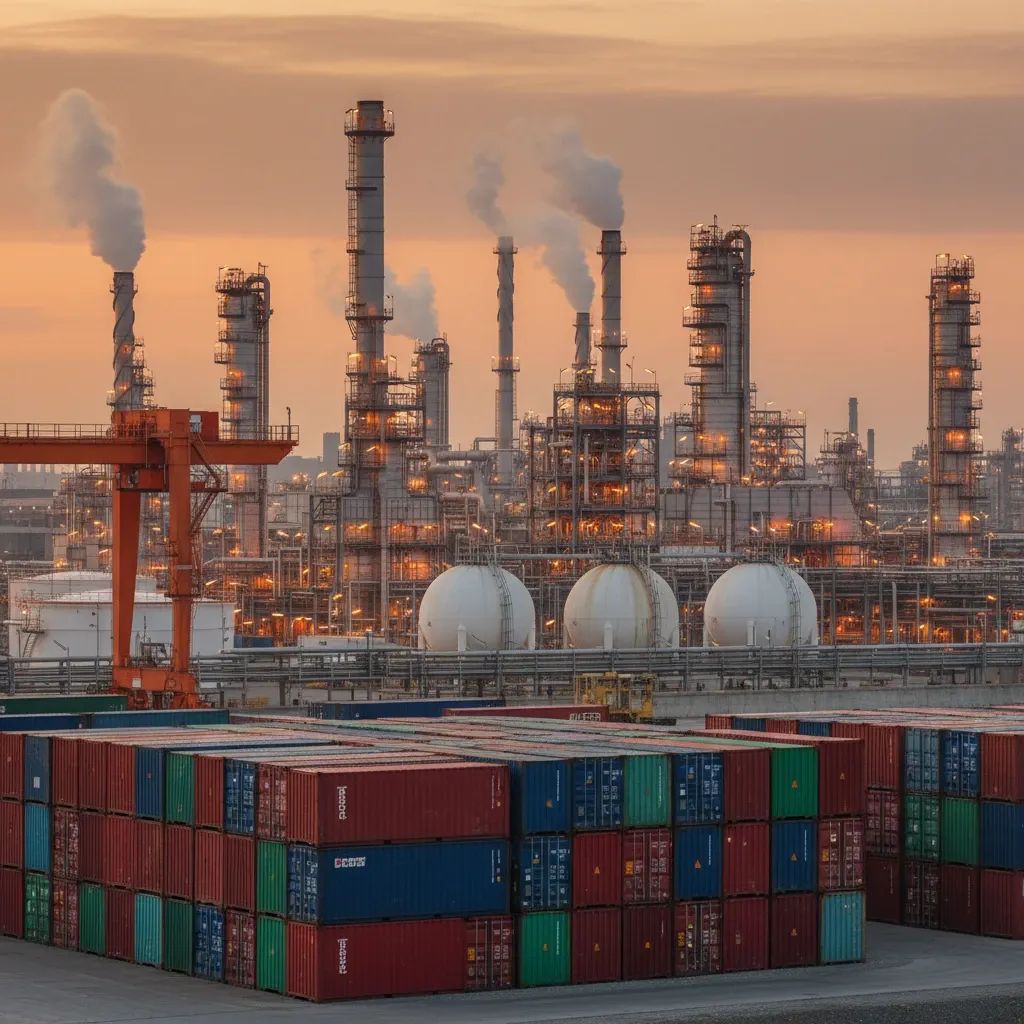
Thailand's factory output fell 0.36% year-on-year in April, according to the Ministry of Industry, adding to concerns about the manufacturing sector's weakness.
The decline marks another challenging month for Thai factories, as production continues to face headwinds. While the Ministry released the figures on Thursday, the underlying causes and broader implications for workers and residents remain areas of active concern and analysis.
Manufacturing has historically been a cornerstone of Thailand's economy, providing stable employment and driving export revenue. Weakness in this sector can ripple through the broader economy, affecting worker employment prospects, investment decisions, and consumer confidence.
Analysts note that global supply chain challenges, fluctuating energy costs, and shifting regional competition have all contributed to pressure on Thai manufacturers. The sector's performance will be closely watched in coming months as policymakers and business leaders assess whether conditions stabilize or continue to deteriorate.
For workers and residents, manufacturing weakness typically translates to employment caution in affected industries. Smaller manufacturers face particular pressure when dealing with input cost increases and competing imports. How quickly the sector recovers will be an important indicator of Thailand's broader economic trajectory through 2026 and beyond.
The Ministry of Industry continues to monitor the situation, and further data releases in coming months will help clarify whether April's decline represents a temporary fluctuation or part of a sustained contraction requiring policy intervention.


