
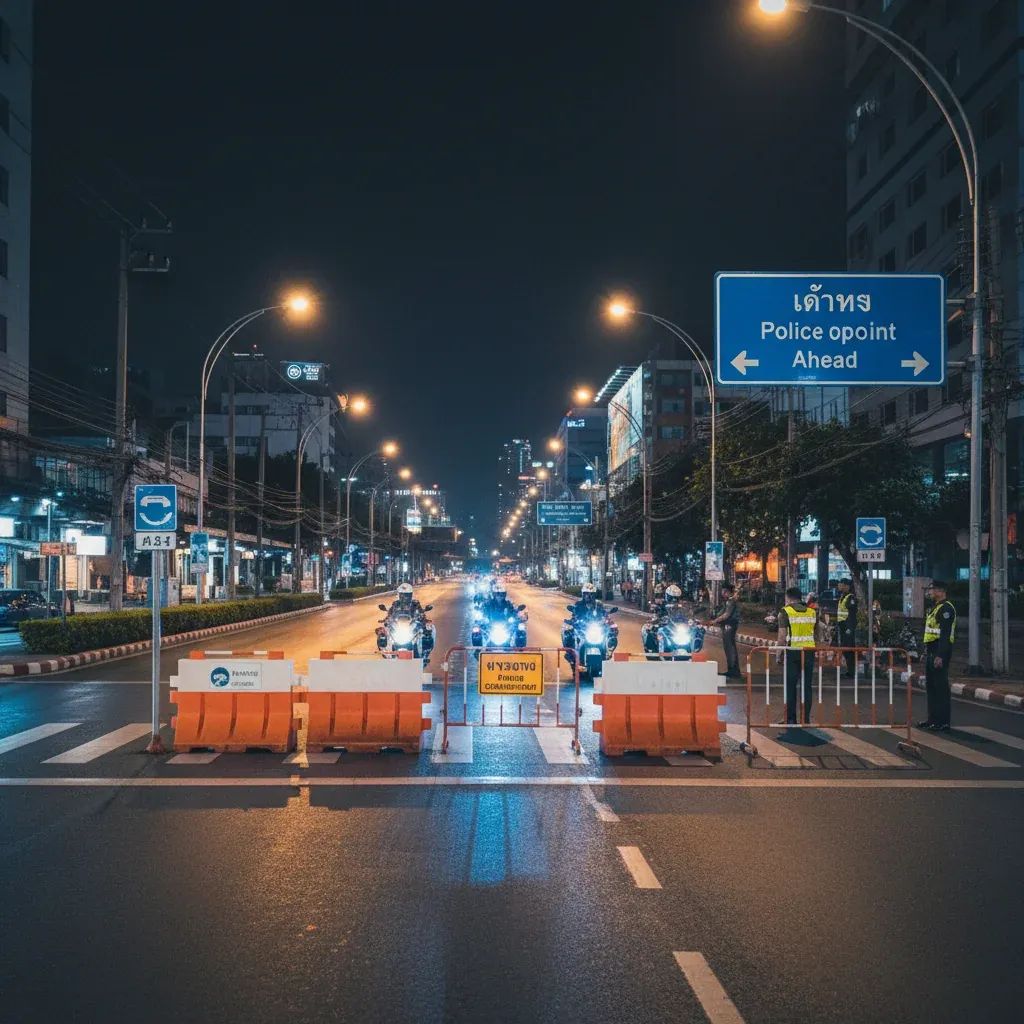
Thailand's Digital Economy and Society Ministry has mobilized enforcement machinery to dismantle networks distributing World Cup 2026 matches without authorization, disrupting a shadow ecosystem that historically siphons viewers and advertising revenue away from legitimate broadcasters.
Why This Matters
• Commercial venues face serious penalties: Operating without licensing can trigger imprisonment of 6 months to 4 years and fines between ฿100,000–฿800,000.
• 12,671 illegal URLs eliminated in a two-week span through court orders and platform takedowns.
• Real-time monitoring now flags unauthorized streams within hours, not weeks.
The Licensing Reality
A legitimate broadcast environment requires everyone to play by the same rules. Jasmine International (JAS) and its operational arm Mono Next hold exclusive Thai rights to all 104 matches, though viewers get a genuine break: more than 40 games—including the opening match and final—air free on Monomax Sports, Amarin TV, and Sanook.com.
The catch for business owners is simple but inflexible. Restaurants, hotels, bars, and cafes that want to legally screen matches to customers must obtain written permission from Monomax beforehand. The company offers a "Sports Premium" commercial package specifically for venues. However, two restrictions apply without exception: establishments cannot collect additional cover charges for World Cup screenings, and external sponsors cannot co-organize viewing events. These conditions exist to protect the rights holder's commercial model from being circumvented through creative licensing workarounds.
Violations don't constitute a minor compliance slip. Thailand's Copyright Act B.E. 2537 classifies live sports broadcasts as protected audiovisual works. Recording a match and reposting it online, streaming from a personal subscription to a packed bar, or hosting a public viewing without authorization each trigger the same legal consequence: 6 months to 4 years imprisonment, a ฿100,000–฿800,000 fine, or both. The statute makes no distinction between a small cafe owner and organized criminal syndicates—both face the same penalties if caught.
Scale of the Enforcement Response
The Thailand Department of Intellectual Property (DIP) coordinates enforcement with multiple agencies: the Economic Crime Suppression Division, the National Broadcasting and Telecommunications Commission, and the Royal Police. Between June 1–18, 2026, the Thailand DES Ministry identified and blocked 13,888 links connected to online gambling and unlicensed streaming. By June 24, the cumulative tally hit 12,671 URLs disrupted: 4,496 removed via court order, and 8,175 disabled through direct platform cooperation with Facebook, Instagram, X, and YouTube.
The broader enforcement campaign extends well beyond the World Cup window. Since October 2025, the Thailand government has shut down 673,699 gambling-related URLs across all categories—635,717 through court mandate and 37,982 through platform agreements. The Thailand Royal Police separately reported blocking 717,000 betting links, targeting football-specific gambling sites, affiliate networks, and promotional material. These figures reflect a shift from post-event prosecution toward real-time disruption.
Deputy Digital Minister Nan Buntida Somchai disclosed operational details showing the scale of coordination. The Thailand DES Ministry's Illegal Website Surveillance Center now operates 24-hour monitoring with automated scanning systems monitoring social networks and gambling infrastructure to flag unauthorized content.
A Criminal Network Dismantled
Before the tournament launched, the Central Investigation Bureau (CIB) executed Operation VAR, a joint investigation with JAS and Monomax targeting two major pirate networks: dookeela4.live and soodaza.com. Investigators discovered both sites operated a dual-revenue model: streaming matches without permission while simultaneously hosting advertisements for illegal gambling platforms. The financial incentive was direct—unlicensed betting ads generated substantial income. Authorities arrested 4 individuals and seized equipment and financial assets during raids. The operation signaled a strategic shift from passive blocking toward proactive dismantling of the criminal infrastructure itself, not just symptom-level content removal.
This enforcement approach differs fundamentally from previous World Cups, when piracy flourished for weeks until rights holders could file complaints, secure court orders, and notify internet service providers. The integration of monitoring systems, automated detection, and social platform cooperation has significantly accelerated response times compared to previous enforcement efforts.
The Venue Owner Dilemma
For business establishments contemplating their options, the calculus has shifted. Licensing through Monomax's Sports Premium package costs money upfront but eliminates legal exposure entirely. The alternative—rolling the dice with a personal subscription or third-party streaming service—now carries measurable risk.
The Thailand DES Ministry's monitoring systems continue to track unauthorized streaming activities. A successful prosecution of a neighborhood venue would generate public awareness, making the liability more salient. Insurance companies may also begin excluding copyright violation claims, leaving venue operators unprotected financially if enforcement occurs.
Moreover, venues that knowingly host unlicensed streams align themselves with the gambling ecosystem those streams finance. The pirate networks investigated during Operation VAR generated revenue through betting advertisements. By patronizing those services, businesses become indirect participants in networks linked to organized crime—a legal and reputational liability beyond copyright concerns.
Practical Takeaways
For residents, the message remains consistent: watch through Monomax (paid or free depending on the match), Amarin TV, or Sanook.com. These platforms offer legal access without copyright concerns.
For business owners, licensing through Monomax's commercial package eliminates legal exposure. With the Thailand government's commitment to enforcement now embedded in routine operations, operating without proper authorization carries genuine legal consequences.
The tournament enforcement represents a maturation in Thailand's approach to digital rights protection. Rather than reactive prosecution, the system now prioritizes real-time detection and enforcement. That infrastructure persists after the World Cup ends.


