
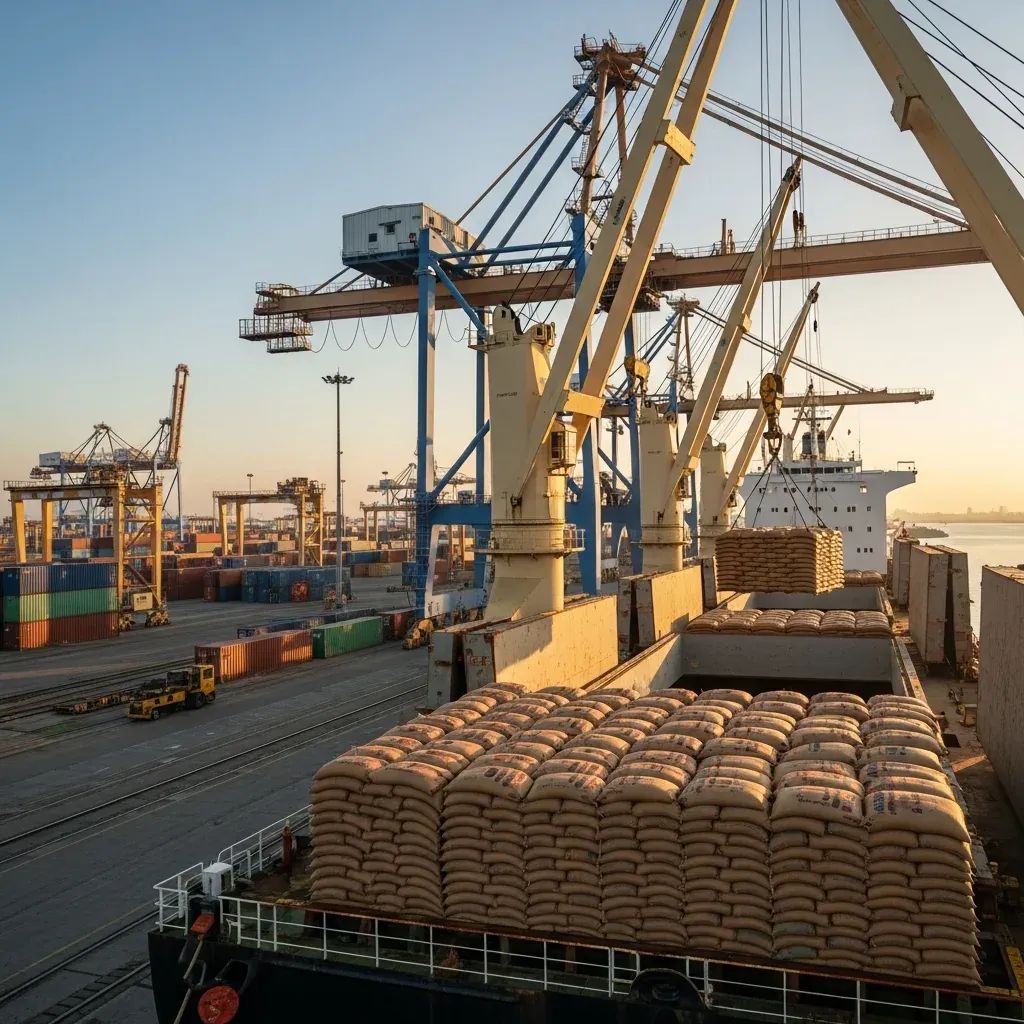
Rice trade between Thailand and the Philippines is set to regain momentum as Manila lifts its ban and raises duties. The Philippine Department of Agriculture has slapped a 20% rice import tariff, effective January 1, 2026, signaling a return to external purchases after a mid-2025 suspension aimed at shielding palay harvests. Thai exporters now face a higher cost entry but a reopened market.
Key takeaways
• 20% import duty replaces the emergency 15% rate.
• 500,000 tonnes of quota, including 50,000 tonnes for state agencies.
• 17 designated ports from Metro Manila to Zamboanga.
• 10% deposit waiver on SPSIC clearances reduces upfront costs.
Strategic reopening beyond protection
Manila’s four-month halt on milled rice imports ended as the wet-season harvest wrapped up, paving the way for a fresh influx of grain. The Department of Agriculture plans to clear 500,000 tonnes through its Sanitary and Phytosanitary Import Clearance system, ensuring shipments land by mid-February and stabilise local palay prices before the dry-season crop hits the market.
20% levy: Balancing farmers and consumers
Boosting the levy from 15% to 20% reflects Manila’s aim to bolster farm-gate receipts while acknowledging a weak peso that magnifies import costs. Consumer advocates warn that the higher duty could ripple onto retail shelves, but officials insist the suggested price cap of ₱43/kg will temper drastic spikes—at least in the early weeks of reopening.
Gateway network: 17 ports in focus
To streamline inspections and curb under-the-radar landings, January–February shipments are confined to 17 designated ports. From Metro Manila and Subic Bay to Bacolod, Iloilo, Davao and Zamboanga, this regimen concentrates customs checkpoints and shields smaller harbours during peak domestic harvesting.
Thai stakes: Pricing and delivery timelines
For Thailand’s rice belt, the tariff lift narrows the price gap against Vietnamese 5% broken and Myanmar long-grain varieties. The Thai Rice Exporters Association estimates that 300,000 tonnes could flow to the Philippines in 2026—roughly half of last year’s imports—provided vessels clear customs well before the mid-February deadline.
Diversifying supply chains: India, Pakistan and beyond
Manila is urging traders to broaden sourcing beyond its traditional partners. Negotiations with India target non-basmati white rice once New Delhi eases export curbs, while talks with Pakistan centre on a potential 1 M tonnes annual framework. Cambodia and Myanmar remain key for fragrant grades, rounding out a more resilient procurement strategy.
Exchange rate and inflation outlook
Persistent peso depreciation—down nearly 6% against the dollar since mid-2025—adds fuel to import cost pressures. Economists at Ateneo de Manila forecast that the duty bump could lift headline inflation by up to 0.3 percentage points by April, testing the balance between farmer relief and consumer spending power.
Policy watch: Flexibility under Executive Order No. 105
Issued in November 2025, Executive Order No. 105 created a sliding tariff band of 15% and 35%, tweaking duties in 5% increments as global rice prices shift. The initial 20% floor underscores Manila’s caution amid volatile international markets and a desire to protect domestic yields.
As the Philippines reopens its doors to rice imports, Thai exporters must adapt to steeper duties, tighter deadlines and growing competition—while seizing a window into Southeast Asia's second-largest rice market before quota reviews and price swings reshape the landscape once more.


