
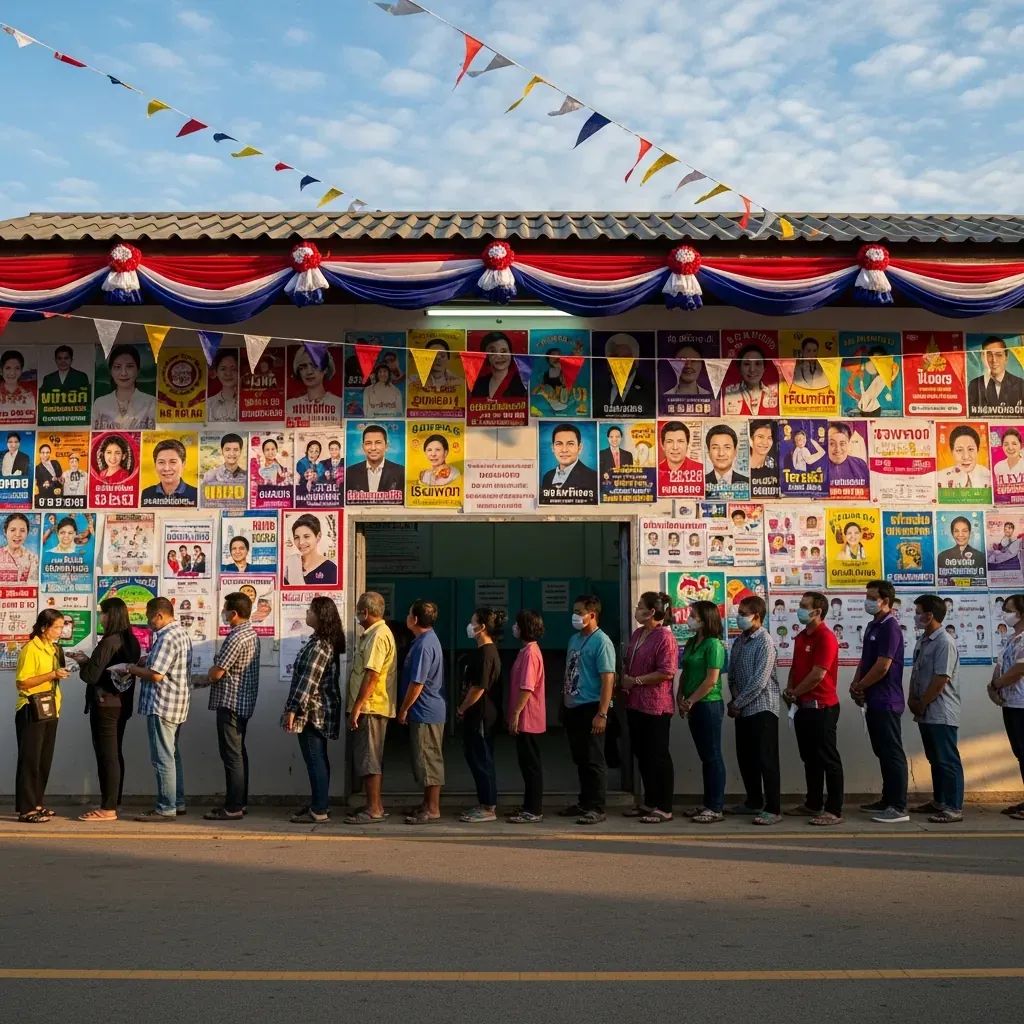
A hush turned into a roar in Bangkok political circles last week when Prime Minister Anutin Charnvirakul pressed the button on an early dissolution of the lower house. Voters now have barely two months to decide whether the move was a clever reset or a desperate retreat.
Rapid-fire recap
• House dissolved after explicit demand by the opposition People’s Party
• Early election pencilled in for the first half of February
• Charter reform fight over the role of appointed senators sits at the heart of the clash
• Minority government gambled on dissolution rather than battle a looming no-confidence motion
• Border friction with Cambodia feeds accusations of manufactured nationalism
Why Anutin pulled the plug
The prime minister leads a minority coalition that has survived just over 60 days. Once the People’s Party (PP) publicly withdrew support on 11 December and challenged him to “let voters decide”, Anutin forwarded a draft royal decree at 22.00 that same evening. He insists the timing counters allegations that the move was a pre-emptive strike to foil parliamentary scrutiny. According to Government House insiders, no censure petition had yet reached the Speaker’s desk, making the escape-from-accountability narrative harder to stick.
Inside the charter shoot-out
The trigger was a proposed rule change that would lower the bar for constitutional amendments—a simple majority in a joint sitting as long as one-third of senators back the bill. PP leader Natthaphong Rueangpanyawut branded that compromise a betrayal of an earlier memorandum in which coalition partners promised to strip appointed senators of any veto power. Anutin retorts that he “doesn’t control the Senate” and that trying to whip their votes would invite fresh accusations of collusion. Political scientists point out that elected MPs hold 500 seats while senators occupy 250, meaning any charter tweak automatically becomes a numbers game involving the upper chamber. The dust-up has now become a campaign talking point: “Vote for us if you want a clean slate constitution.”
151 versus 152 — the procedural chessboard
Opposition strategists had two constitutional hammers on the table. Section 151 enables an outright no-confidence vote that can topple a cabinet; once filed, the premier is barred from dissolving the House. Section 152 offers only a debate without a vote. Sources in three parties say PP hawks gathered the required 100 signatures for a 151 motion, but moderates feared a failed attempt could hand the government fresh legitimacy. By dissolving sooner, Anutin neutralised both weapons. Thai constitutional lawyer Piyabutr Saengkanokkul summarises the manoeuvre: “He shut the door seconds before the locksmith arrived.”
Border heat and ballot calculations
Critics from Post Today to academics at Thammasat University accuse the caretaker administration of stoking Thai-Cambodian border tension to wrap itself in a patriotic flag. Social media hashtags mixing #SaveTempleTerritory and #VoteBhumjaithai now trend in lockstep. Conversely, security analysts such as Dr Yutthaporn Isarachai argue the military mobilisation was unavoidable once fresh landmine blasts injured two Thai rangers on 5 December. Either way, the spectacle bolsters a narrative of “strong leader defending sovereignty”—fertile ground in rural constituencies where nationalist sentiment runs deep.
Countdown to the polls
The Election Commission must stage a nationwide vote within 45-60 days of royal publication of the decree, placing the likely date around 8 February. Until then, Thailand operates under a caretaker cabinet with restricted spending powers. That pause may shelve unfinished legislation on digital-asset taxes, water-management bonds, and the long-promised cannabis bill. Business lobbies fear budget roll-overs will hurt infrastructure tenders, while small exporters worry about an undecided trade-remedy package set to lapse on 31 January.
What it means for residents in Thailand
For ordinary voters the next seven weeks will determine:
• Energy bills — rival parties are floating subsidies versus market liberalisation.
• Border security — expect daily briefings and televised tours of frontline provinces.
• Constitutional future — the ballot will serve as an unofficial referendum on curbing the Senate.
• Economic relief — from farm debt moratoriums to promised wage hikes, manifestos are thick with pocket-book pledges.
In short, the abrupt housecleaning has spun a complicated legal tug-of-war into a high-stakes national campaign. Whether voters reward the gamble, or punish it for perceived opportunism, will reverberate well beyond election night.


