Why This Matters
• Scale and scope: Thai forces have intensified operations across northern border zones, with authorities consistently seizing large quantities of methamphetamine in recent months. The Mae Sai seizure of 250 kilograms represents part of a broader enforcement campaign across Chiang Rai province.
• Your daily life: Residents in northern Thailand should anticipate sustained military checkpoints, increased police presence, and occasional road closures in districts adjacent to the Myanmar border, particularly along secondary routes and Mekong crossing points.
• Regional instability driving supply: Myanmar's civil conflict has fueled production in Shan State, where traffickers operate with minimal state interference—flooding regional markets despite record seizures by Thai authorities.
The Mae Sai Seizure and Broader Pattern
A 250-kilogram crystal methamphetamine seizure near Mae Sai underscores the scale of drug trafficking flowing across northern Thailand's frontier with Myanmar. The bust represents part of a consistent pattern: security forces regularly intercept multi-hundred-kilogram shipments across Chiang Rai province, signaling both the persistence of trafficking networks and the commitment of Thai enforcement.
What makes this seizure noteworthy isn't the quantity alone—which, while substantial, reflects monthly operations across the border region—but what it reveals about trafficking methods and routes. The seizure confirms that despite enhanced checkpoints and increased military presence, criminal networks continue moving massive quantities across Thailand's porous frontier, adapting methods and routes to evade detection.
The Golden Triangle's Production Engine
The narcotics flowing through Chiang Rai originate in Myanmar's Shan State, a region now functioning as a major synthetic drug manufacturing zone. Ethnic armed groups, weakened state authority, and territorial disputes have created an environment where clandestine labs operate with minimal interference. According to regional security assessments, the methamphetamine trade generates enormous profits that sustain armed militias and transnational syndicates.
Production capacity has expanded significantly since Myanmar's 2021 coup destabilized the country further. Traffickers have systematized operations by lowering production costs through non-controlled chemicals, increasing shipment volumes, and diversifying routes. Record seizures across East and Southeast Asia signal that production is vastly outpacing interdiction efforts.
How Drugs Enter Thailand
The Thailand-Myanmar frontier stretches across mountainous, jungle-clad terrain, making comprehensive surveillance extremely difficult. Traffickers exploit this geography methodically. They move shipments during monsoon season when visibility drops and river currents mask boat traffic. They use secondary roads branching off main highways like Phahonyothin, bypassing official checkpoints. They hide crystal meth in modified gas cylinders, spare tires coated in wax to fool sniffer dogs, and tea shipments that appear legitimate.
Between overland routes through Mae Sai and riverine operations along the Mekong, syndicates maintain multiple contingency corridors. When authorities tightened border enforcement in Chiang Rai, criminal networks rerouted through alternative channels and less-guarded regions. Thai security forces have documented patterns of traffickers fleeing enforcement in one province only to attempt entry through neighboring areas.
The sophistication of these operations reflects their profitability. Encrypted communications, real-time route adjustments, and intelligence networks give syndicates operational speed that law enforcement must constantly work to match. Improved infrastructure across the region has inadvertently provided criminal groups with enhanced logistics corridors.
Thailand's Enforcement Response
Thai authorities recognize methamphetamine trafficking as a major security threat and have deployed integrated operations across the Royal Thai Police, Royal Thai Armed Forces, Office of the Narcotics Control Board (ONCB), and intelligence agencies. According to government reports, enforcement operations have yielded significant results in recent years, with seizures and arrests documented regularly across northern provinces.
Major operations now target the supply chain itself, not just finished shipments. Intelligence agencies have executed raids targeting precursor chemicals—materials used in methamphetamine production—representing a strategic evolution toward upstream interdiction rather than pursuing ever-larger shipments at the border.
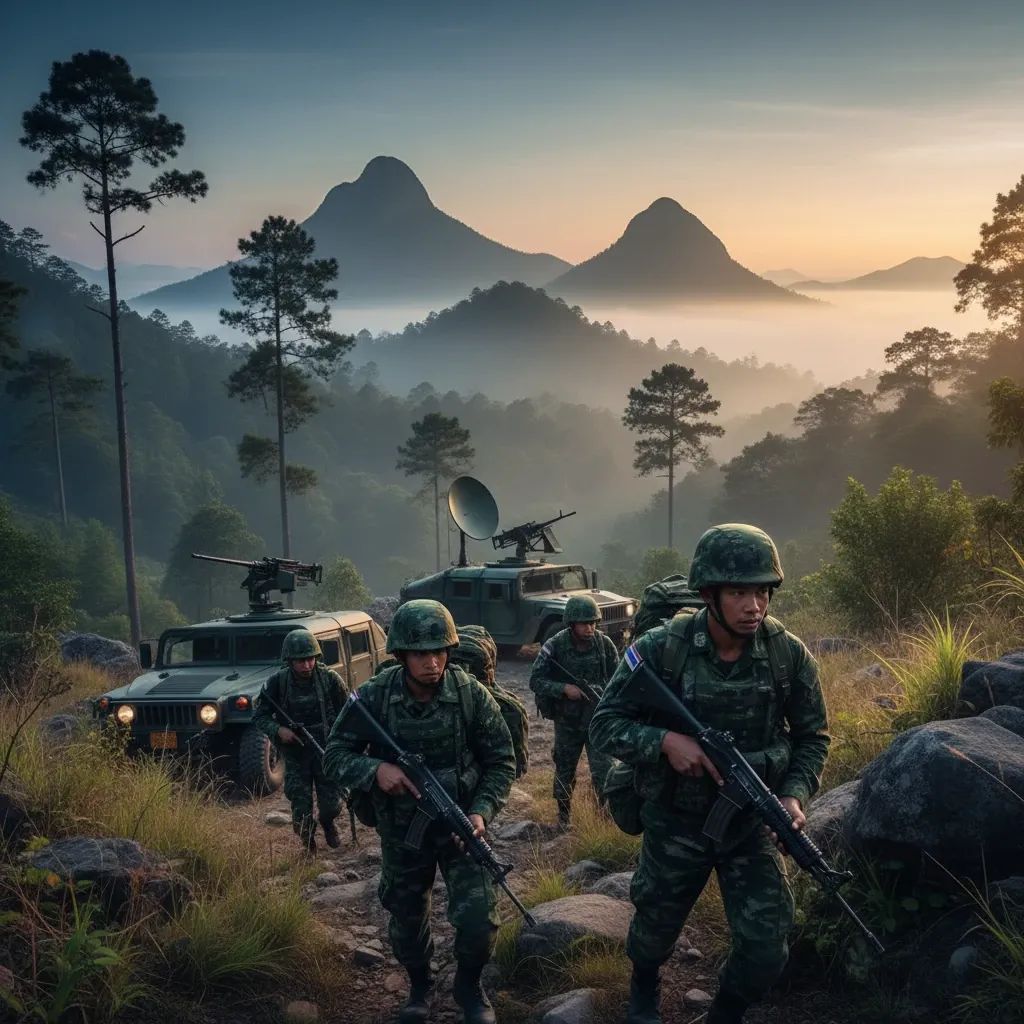
Border enforcement has become more militarized in key zones. Military outposts in Chiang Rai engage in operations against armed smugglers, while the Royal Thai Navy has intensified Mekong River patrols. These aren't routine drug interdictions—they represent armed confrontations between state forces and criminal organizations operating with sophisticated logistics networks.
What This Means for Residents: Practical Information
If you live in Chiang Rai, Phayao, Nan, or other northern border provinces, enhanced security measures are now part of daily life:
• Vehicle inspections: Random checks at provincial bus stations and main transport hubs have become standard procedure
• Roadblocks and checkpoints: Military and police checkpoints appear regularly along routes toward the frontier and secondary highways
• Documentation requirements: Carry government identification when traveling between provinces; travelers should be prepared for questioning by security forces
• Accessibility: Occasional closures of access roads near border areas may occur during security operations
The economic impact remains localized. Border communities closest to trafficking corridors may experience military activity and occasional disruptions, but violence between security forces and traffickers generally remains confined to remote border areas away from populated towns. Foreign residents and expatriates face moderate impacts: heightened security means additional documentation requirements, vehicle searches, and potential delays at checkpoints, but significant disruptions are uncommon.
For those traveling overland: Expect to encounter military units on secondary routes, particularly in early morning and evening hours. Remain calm during inspections, provide requested documents, and cooperate with security personnel. There are no official "tips for evading" checkpoints—compliance with security procedures is expected and required.
The Structural Challenge
Thai enforcement faces a fundamental constraint: Myanmar's civil conflict shows no signs of resolution, meaning drug production in Shan State will likely persist. The sheer profitability of the trade—even at depressed wholesale prices—sustains production regardless of seizure rates. Criminal organizations have also diversified into human trafficking, online scams, and money laundering, meaning disruption of drug operations doesn't eliminate their revenue streams.
Record seizures demonstrate government commitment and do raise costs for criminal networks, but interdiction alone cannot resolve a problem rooted in production capacity, transnational demand, and geopolitical instability beyond Thailand's borders.
Looking Forward
The Mae Sai seizure and its counterparts across Chiang Rai province reflect an ongoing reality: trafficking networks continue adapting to enforcement, production in Myanmar persists, and Thailand remains a frontline state managing consequences of geopolitical instability it cannot directly control. For residents, this means continued security operations, checkpoints, and the visible presence of enforcement efforts will remain part of life in northern border provinces. Thai security forces remain committed to interdiction, but the fundamental drivers of trafficking—production capacity, demand, and profit margins—ensure this challenge will persist for years ahead.