
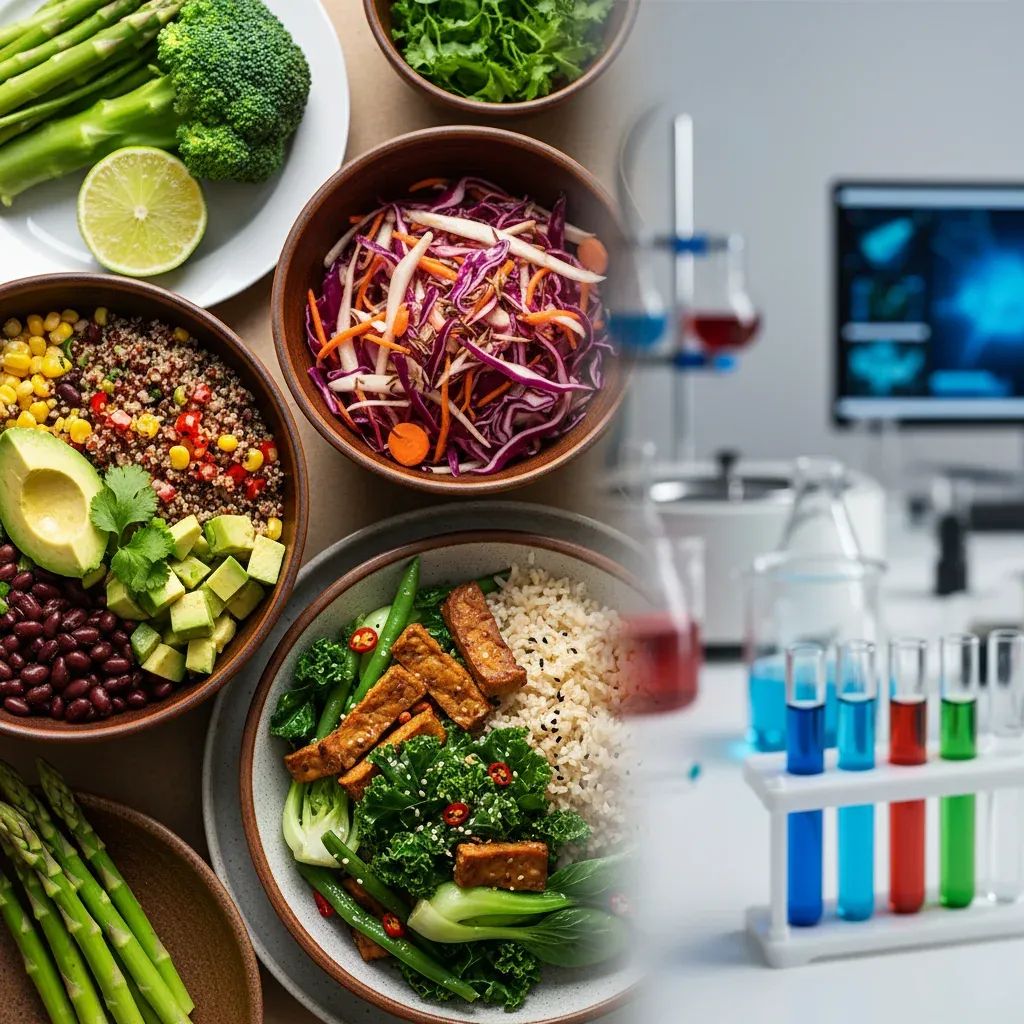
The Thailand medical community is increasingly integrating mineral supplementation into Long COVID treatment protocols, following new international research demonstrating that specific dietary minerals may significantly improve vascular health in patients experiencing persistent symptoms after SARS-CoV-2 infection. As of mid-2026, emerging studies reveal troubling gender-specific differences in how the disease affects brain tissue, with women bearing a disproportionate neurological burden.
Why This Matters
• Mineral deficiency may contribute to arterial stiffness and endothelial dysfunction in Long COVID patients, potentially worsening fatigue and cognitive symptoms
• Women face up to 3 times higher risk of severe Long COVID, with distinct white matter brain damage linked to inflammation during acute infection
• Thai hospitals including Bumrungrad International, Bangkok Hospital, and Samitivej Sukhumvit now offer IV mineral therapy as part of comprehensive recovery programs
The Vascular Connection
The 2026 BioICOPER study has established a measurable relationship between dietary mineral intake and blood vessel health in adults struggling with Long COVID. Researchers found that higher consumption of magnesium, selenium, potassium, and phosphorus correlated with reduced central arterial stiffness—a critical marker of cardiovascular risk that commonly remains elevated months after initial infection.
Long COVID frequently manifests as chronic vascular dysfunction. The endothelial cells lining blood vessels sustain damage during infection, triggering persistent inflammation and oxidative stress that compromises oxygen delivery throughout the body. For residents navigating Thailand's healthcare system, this translates to symptoms that include crushing fatigue, exercise intolerance, and cognitive impairment lasting 6 months or longer after apparent recovery.
Magnesium emerges as particularly significant in the research. This mineral regulates oxidative balance and arterial distensibility, helping blood vessels maintain their flexibility. Low magnesium status has been directly associated with higher risk of developing persistent post-COVID symptoms, potentially through its role in endothelial protection. Similarly, selenium deficiency promotes oxidative stress and arterial stiffness by compromising antioxidant defense systems.
Potassium regulates blood pressure and vascular tone, while zinc deficiency has been linked to increased arterial stiffness in high-risk vascular patients and poorer clinical outcomes during acute COVID-19. Perhaps most concerning, reduced iron and hemoglobin levels observed after SARS-CoV-2 infection correlate with elevated Long COVID risk, possibly due to impaired immune cell function that allows inflammatory processes to persist.
What This Means for Residents
For those living in Thailand with ongoing post-COVID symptoms, mineral status may directly influence recovery trajectory. While dietary sources remain the foundation—leafy greens for magnesium, Brazil nuts for selenium, bananas and potatoes for potassium—many Thai medical facilities now offer targeted supplementation through intravenous protocols.
Bumrungrad International Hospital, Bangkok Hospital, and Samitivej Sukhumvit Hospital have integrated IV mineral therapy into multidisciplinary Long COVID programs. These treatments deliver combinations of vitamins, minerals, amino acids, and antioxidants directly into the bloodstream, bypassing digestive absorption limitations that may compromise oral supplementation effectiveness in compromised patients.
Thai medical practitioners emphasize that mineral supplementation functions as one component of comprehensive care that includes lung rehabilitation, physiotherapy, personalized nutrition, stress management, and psychological support.
How to Access Treatment in Thailand
Private Hospital Clinics:
• Bumrungrad International Hospital (Bangkok): Long COVID Recovery Center, located in the Medical Tower. Contact the International Patient Relations department at +66-2066-8000 or visit bumrungrad.com for clinic scheduling.
• Bangkok Hospital (Nationwide locations): Integrated Medicine Clinic offering mineral IV protocols. Book through any Bangkok Hospital location or call their main line at +66-2310-3000.
• Samitivej Sukhumvit Hospital (Bangkok): Internal Medicine and Integrated Wellness departments handle Long COVID cases. Appointment line: +66-2711-8000.
First Consultation Process:Expect initial blood work to identify specific mineral deficiencies, followed by physician consultation to design personalized protocols. Sessions typically last 1-2 hours. Most hospitals require a copy of your medical records and COVID-19 diagnostic documentation.
Cost Breakdown:Single IV mineral therapy sessions range from ฿3,000 to ฿15,000, with pricing determined by:
• Formulation complexity (basic electrolyte mix vs. comprehensive antioxidant cocktail)
• Session duration and frequency
• Facility location and overhead
Most comprehensive "IV Immune Myers formula" packages fall in the ฿8,000-฿12,000 range and typically require 4-6 sessions for noticeable symptom improvement.
Public Hospital Alternatives:For those without access to premium private care, Ramathibodi Hospital and Chulalongkorn Hospital now operate Long COVID clinics with subsidized protocols through the Thai government healthcare initiative. These facilities offer basic mineral supplementation and supportive care at approximately 20-30% of private hospital costs (฿800-฿2,500 per session), though IV therapy availability may be limited. Contact their Internal Medicine departments directly for appointments.
Insurance Considerations:
• Thai nationals: Government health insurance (UHC) typically covers diagnostic testing but not IV supplemental therapy. Private insurance policies vary; review your coverage details.
• Expats: Most international insurance plans (Axa, Cigna, Allianz) classify IV mineral therapy as "wellness treatment" rather than medical care, resulting in zero coverage. Check your policy documentation or contact your provider's Thailand office before committing to treatment.
The Female Brain Under Siege
Research published in July 2026 reveals a deeply concerning pattern: women's white matter appears uniquely vulnerable to post-COVID neuroinflammation. The study documented that elevated systemic immune-inflammation index scores during acute infection predicted widespread white matter alterations primarily in females, even when males experienced comparable inflammatory burdens.
This white matter damage manifests functionally as poorer psychomotor coordination—the brain-body connection that governs movement precision and response speed. For women living in Thailand, this translates to tangible difficulties with tasks requiring fine motor control, from typing to driving in Bangkok traffic.
A January 2026 study found that females with Long COVID reported higher total symptom counts, particularly persistent fatigue, concentration difficulties, and memory problems that worsened with age and illness duration. These patients showed alterations in immune cells crucial for antiviral defense, potentially explaining their vulnerability to lingering neurological issues. Males, in contrast, exhibited elevated general inflammation markers without the same white matter consequences.
Hormonal disruption compounds the problem. November 2025 research identified reduced testosterone levels in women as strongly linked to ongoing inflammation and symptoms including brain fog, depression, pain, and fatigue. This endocrine disruption works alongside gut inflammation and anemia to create distinct biological disruptions absent or less pronounced in male patients.
Women aged 40 to 54 who had not reached menopause face particularly elevated risk, possibly because higher estrogen levels contribute to more aggressive immune responses that ultimately damage brain tissue. For Thailand's substantial expatriate population of professional women in this demographic, these findings underscore the importance of sex-specific medical monitoring.
Mineral Synergies and Treatment Protocols
Minerals function synergistically rather than in isolation. Magnesium activates vitamin D, and deficiencies in both compounds correlate with higher symptom burdens in Long COVID patients. Copper proves crucial for maintaining and repairing vein linings while supporting collagen and elastin production—the structural proteins that give blood vessels their integrity.
Calcium regulates blood vessel constriction and relaxation, maintaining the dynamic responsiveness necessary for stable blood pressure. Iron addresses the profound fatigue many patients experience by fueling red blood cell production and oxygen transport capacity.
Thai hospitals typically combine these minerals with compounds like vitamin C, vitamin K2, B-complex vitamins, vitamin E, flavonoids including quercetin and rutin, omega-3 fatty acids, coenzyme Q10, and L-arginine. This comprehensive approach targets the multiple pathological processes characteristic of Long COVID: endothelial dysfunction, microclotting, oxidative stress, and chronic inflammation.
Northwestern Mutual researchers are investigating whether the dietary supplement Lp299v can restore normal blood vessel function post-infection, potentially offering an oral alternative to IV protocols. Such developments could expand access beyond Thailand's premium private hospital network to community health centers and public facilities.
The Path Forward
The integration of mineral supplementation into Long COVID care represents a meaningful evolution in Thailand's medical response to the pandemic's lingering effects. Yet experts emphasize these therapies remain somewhat experimental, with results varying considerably between individuals.
For residents seeking treatment, the recommendation from Thai medical professionals centers on comprehensive diagnostic assessment before beginning supplementation. Blood tests can identify specific deficiencies, allowing personalized protocols rather than one-size-fits-all approaches. This matters particularly given that excessive supplementation—especially of iron and zinc—can create its own health complications.
The gender-specific findings demand immediate clinical attention. Women experiencing cognitive symptoms, fatigue, or mood changes after COVID-19 should specifically request evaluation for white matter damage, hormone levels, and systemic inflammation markers. The research suggests that early intervention targeting these pathways may prevent or mitigate long-term neurological consequences.
As Thailand's medical community continues refining Long COVID treatment protocols, the intersection of nutrition science and vascular health offers tangible hope for the estimated thousands of residents still struggling with persistent symptoms. Whether through dietary optimization, targeted supplementation, or IV therapy, addressing mineral status represents an actionable component of recovery that patients can pursue while researchers work toward more definitive solutions.


