
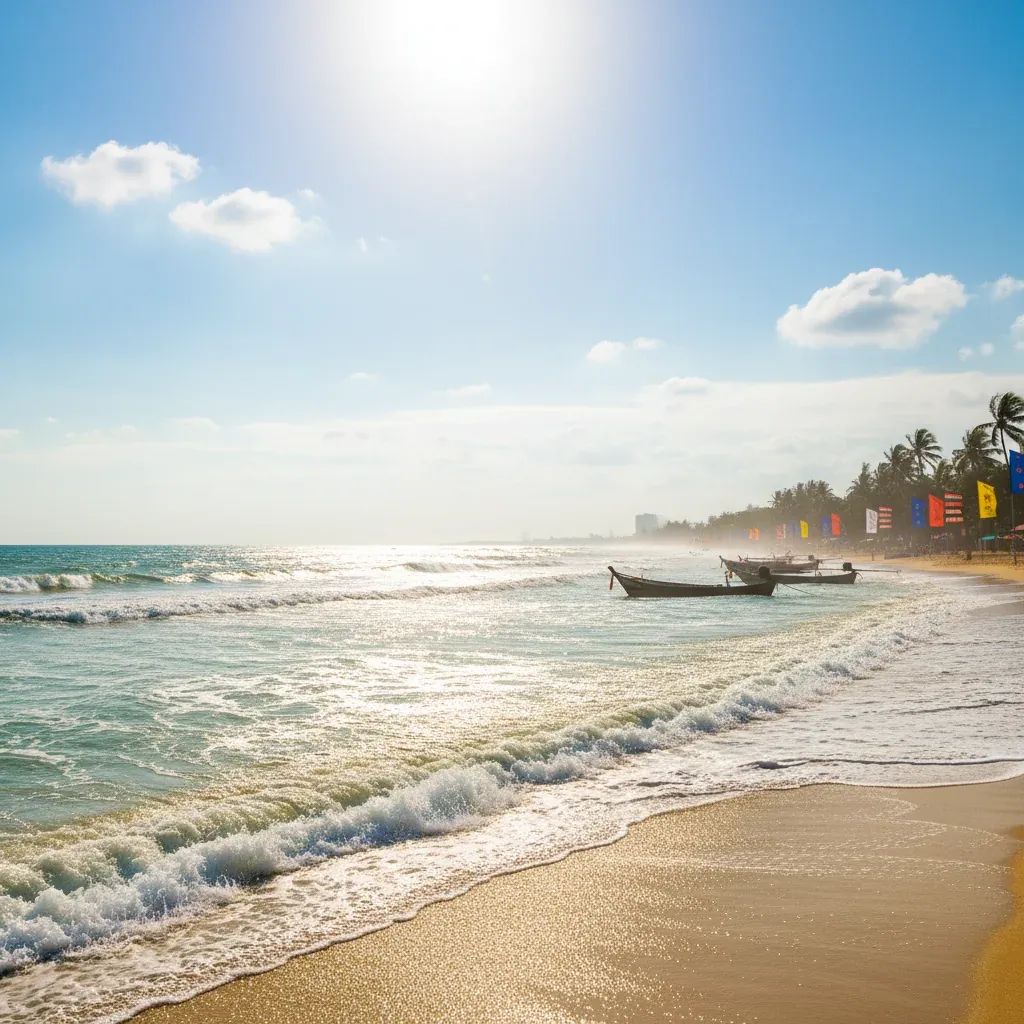
The Thailand Meteorological Department (TMD) has confirmed that the eastern seaboard is sliding into an early-summer pattern—warmer daytime highs paired with gusty northeast monsoon winds—leaving beaches pleasant but the sea noticeably rougher.
Why This Matters
• Beach plans may need tweaking: Expect 32-34 °C afternoons but sudden squalls around 13 & 17 February.
• Small craft risk: Waves of 2 m+, especially when thunderstorms roll in; the Thailand Marine Department urges boats under 10 m to stay close to shore.
• PM2.5 on the rise: Light winds mean dust can linger, a concern for anyone with asthma.
• Cooler dawns inland: Up-country commuters will still wake to 22-24 °C, so a light jacket isn’t crazy.
How the Current Pattern Is Shaping Up
The season’s moderate northeast monsoon continues to drive drier air from China over upper Thailand while sweeping moisture back toward the Gulf. Inland Chonburi starts the day comfortably cool, yet by late morning solar heating pushes Pattaya’s promenade into the mid-30s. Skies stay mostly clear, giving tourists that postcard-blue horizon—until a passing convective cell flips the script and delivers a short, sharp downpour.
Marine Conditions: What Skippers Should Know
Winds at 15–25 km/h are churning up the Gulf. Near-shore waves hover around 1 m, but satellite swell models show peaks above 2 m during storms. The Thailand Marine Department’s advice is blunt: boats under 10 gross tonnes should monitor the hourly forecast and consider postponing island hops on days flagged “yellow” or “red.” Commercial trawlers are switching to pre-dawn departures to dodge the worst chop and still make market deadlines.
Air Quality: The Hidden Variable
Late dry-season calm means ventilation weakens. When local cane fields or forest hotspots upwind ignite, PM2.5 often jumps past the 50 µg/m³ threshold. The Chonburi Provincial Health Office recommends the familiar drill—N95 masks for outdoor exercise and air purifiers at home. Unlike the North, eastern PM spikes usually last hours, not days, but they arrive with little warning because wind direction is fickle in February.
What This Means for Residents
• Tourism operators can promote clear-sky mornings but should build “weather gaps” into island tour timetables.
• Fisherfolk might see fewer sailing days; insurance brokers report a 10 % rise in weather-related claims every February, so checking policy fine print is smart.
• Remote workers and retirees get prime beach weather, yet the same dry air can lift electricity bills as condos switch from fan to air-con by mid-afternoon.
• Parents of schoolkids: pack both sunscreen and a light sweater—the temperature swing between flag-raising at 7 a.m. and dismissal at 3 p.m. can top 10 °C.
Looking Ahead: February’s Outlook
TMD’s 30-day ensemble shows only 2-3 rainy days left in the month, totaling about 15-30 mm. After 20 February, models hint at a weak southerly that could nudge daytime highs toward 35 °C—essentially the gateway to Thailand’s ron (hot) season. For now, Pattaya remains in that sweet spot: warm sand, bearable humidity, and just enough breeze to keep the beach flags flapping—provided you pick your sea excursions wisely.


