
China's Military Support for Cambodia: Understanding Beijing's Position on Thai-Cambodian Relations
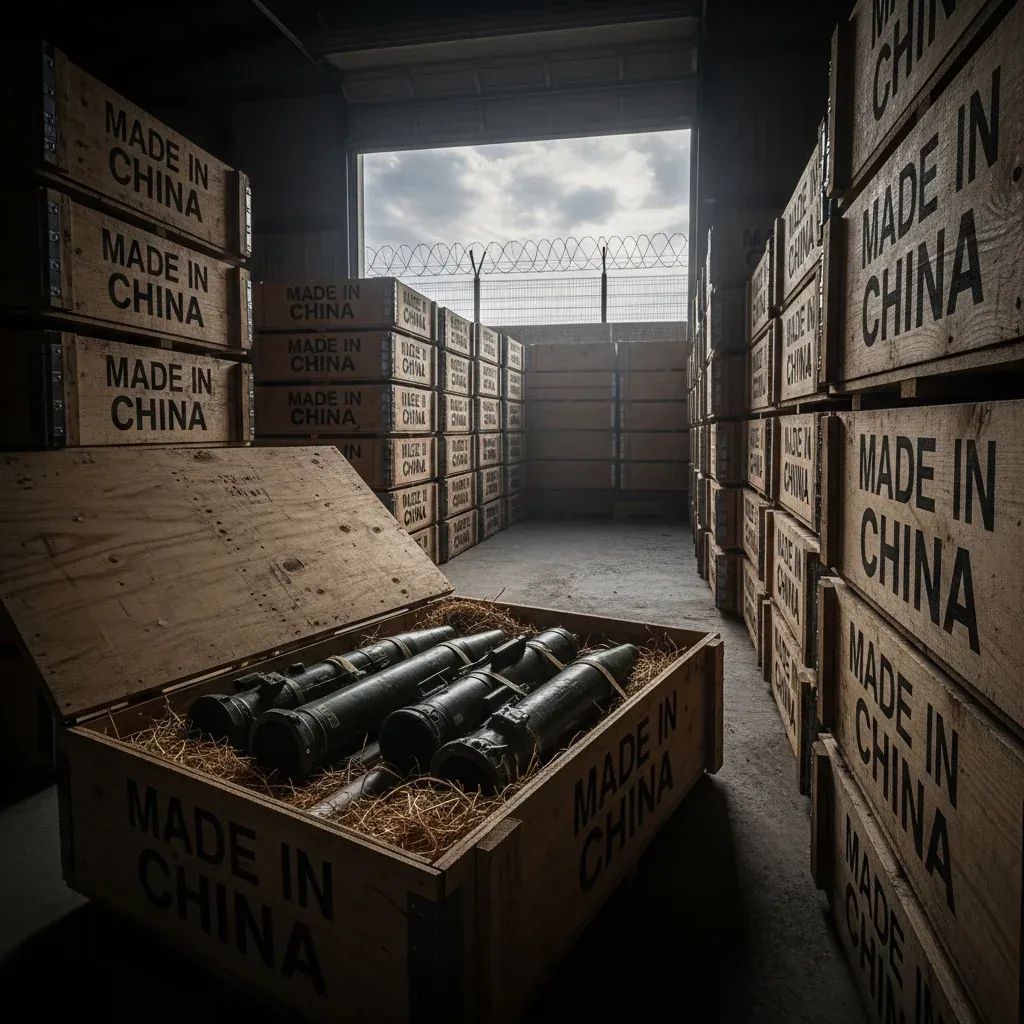
China has reaffirmed its neutrality in Thai-Cambodian tensions while continuing military equipment deliveries to Cambodia under agreements signed years earlier. The statement addresses growing questions about Beijing's role as weapons supplier to Cambodia during a period of strained relations between Bangkok and Phnom Penh. Thailand now faces the question of how to interpret Beijing's assurances alongside the reality of ongoing military cooperation with its neighbour.
The Current Situation
China has supplied Cambodia with military equipment over the past two decades, with deliveries continuing under contractual obligations from previous agreements. The most recent shipments include vehicles and military hardware delivered in recent years. Beijing characterizes these transfers as routine fulfillment of existing contracts, not as strategic positioning against Thailand.
The broader context matters: China has maintained a sustained military partnership with Cambodia since the late 1990s, providing training, equipment, and infrastructure support. This relationship reflects Beijing's strategic interest in maintaining influence in mainland Southeast Asia and its historical partnership with Phnom Penh.
Why This Matters for Thailand
For people living in Thailand, China's military relationship with Cambodia carries several implications:
• Regional Security Dynamics: Thailand must consider how Cambodia's military capabilities evolve as equipment deliveries continue. Understanding Beijing's true intentions—whether transfers follow contractual obligations or serve strategic positioning—remains important for Thai defence planning.
• Diplomatic Leverage: China's role as Cambodia's primary military supplier gives Beijing substantial influence over Phnom Penh's decision-making. This dynamic affects bilateral negotiations between Thailand and Cambodia, as Bangkok must recognize Beijing's position as a key stakeholder in regional stability.
• ASEAN Cohesion: Cambodia's alignment with China on various regional issues, including maritime disputes in the South China Sea, has created challenges for ASEAN unity. Thailand's efforts to maintain regional consensus are complicated by Cambodia's consistent pro-Beijing stance.
• Trade and Investment: While major disruptions to Thai commerce remain limited, border traders and investors in frontier provinces should monitor developments carefully. Cross-border commerce continues, but ongoing tensions create uncertainty for business planning.
Understanding Beijing's Neutrality Claims
China's assertion of neutrality rests on a specific argument: equipment transfers predate current tensions and fulfill contractual obligations from agreements signed in previous years. This legal position is defensible—Beijing did commit to military assistance packages before recent escalations in Thai-Cambodian relations.
However, the geopolitical reality is more complex. By continuing these deliveries during a period of bilateral friction, Beijing demonstrates its commitment to maintaining a capable, Beijing-aligned government in Phnom Penh. This serves China's broader interests in Southeast Asia: countering Vietnamese influence, anchoring Belt and Road Initiative projects, and maintaining strategic depth on the mainland.
The distinction matters: Beijing may genuinely honour contractual obligations while simultaneously pursuing strategic objectives. These are not mutually exclusive.
The Sino-Cambodian Strategic Partnership
Military cooperation between China and Cambodia extends beyond equipment transfers. The two countries conduct regular joint exercises and training programs. Cambodia's military officers receive training at Chinese defence institutions. Infrastructure projects, including upgrades to naval facilities, reflect deepening security ties.
The Ream Naval Base in Cambodia, substantially upgraded with Chinese capital, is understood by regional analysts as a potential logistics hub for the People's Liberation Army Navy. Such facilities would enable China to project power further into Southeast Asian waters and support its broader regional strategy.
These developments signal that the military relationship between China and Cambodia is structural and long-term, not merely transactional.
Thailand's Strategic Position
Thailand faces a genuine dilemma. The country maintains deep economic ties with China—tourism, manufacturing, investment, infrastructure projects—while simultaneously confronting a neighbour whose military trajectory is shaped by Beijing. This creates inherent tension without easy resolution.
The Thai Ministry of Defence is exploring enhanced dialogue mechanisms with Beijing on shared concerns including transnational crime and counter-terrorism. Such cooperation can be productive on specific issues. Yet any defence discussion with China implicitly acknowledges Beijing's substantial leverage over Cambodia—leverage that translates into strategic weight in regional negotiations.
Thailand must also manage ASEAN dynamics, where Cambodia's pro-Beijing alignment complicates consensus-building on important regional issues.
The Broader Regional Context
The Thai-Cambodian relationship sits embedded in larger great power competition for Southeast Asian influence. The United States, China, Vietnam, and other regional powers all maintain strategic interests in the area. Cambodia's role as a Beijing-aligned nation shapes the broader balance of regional power.
For Thailand, this means managing multiple relationships simultaneously: cooperating with Beijing on productive fronts while maintaining security awareness, supporting ASEAN unity while accepting that consensus has become harder to achieve, and planning for defence needs in an environment where a neighbour's military capabilities continue to develop with Chinese support.
What This Means for Thai Residents
For people living in Thailand, the practical implications are:
• Continued Diplomatic Activity: Expect ongoing talks between Thai and Cambodian representatives on underlying territorial disputes. Progress on core issues remains elusive, but diplomatic engagement will likely continue intermittently.
• Border Security Measures: Military presence and security protocols in border zones will persist as standard practice. Residents and travellers in frontier areas should remain aware of local regulations and military directives.
• Cross-Border Commerce: Trade with Cambodia continues, though border traders should remain aware of potential disruptions related to ongoing tensions. Diversifying business strategies is prudent for those dependent on cross-border commerce.
• Investment Considerations: Businesses considering projects in border provinces should factor in the current environment of bilateral tension when planning operations and forecasting revenue.
• Travel and Movement: While movement restrictions exist in sensitive zones, general travel remains possible with appropriate awareness of local conditions and compliance with any military-zone regulations.
Looking Forward
Beijing's assurances of neutrality are legally coherent but strategically incomplete. The fundamental reality is that China remains invested in maintaining Cambodia as a capable, Beijing-aligned partner. This will continue to shape the region's geopolitical trajectory regardless of Beijing's professed neutrality.
For Thailand, the path forward requires unblinking realism: acknowledging Beijing's strategic interests in Cambodia, recognizing the limits of China's claimed neutrality, cooperating with Beijing on productive issues where possible, while simultaneously strengthening defence capabilities and developing alternatives to offset Cambodia's dependence on Chinese patronage.
The military equipment continues to arrive under existing agreements. Diplomatic tensions persist. Thailand, as it has throughout Southeast Asia's modern history, must navigate great power competition on terrain where smaller nations have always struggled for room to manoeuvre.


