
Chiang Mai is preparing for what could be its most ambitious Songkran expansion in years. By stretching official celebrations across two weeks rather than the standard three-day national window, the Thailand Provincial Administration Organization in Chiang Mai is attempting to retain visitor spending through April while distributing crowds away from the congested Old City moat. The centerpiece of this strategy is the debut of Mae Kuang Udom Thara Dam as a purpose-built festival zone, transforming a reservoir 30 kilometers north into a cultural and recreational venue. Whether this expansion achieves its objectives depends on weather, air quality, international tourism confidence—and whether residents can adapt to two weeks of festival-related activity.
Why This Matters
• Extended calendar: Ceremonies run April 6–17, concerts extend through April 19, letting travelers stagger participation without competing for hotel rooms during the national April 13–15 peak.
• New infrastructure: Mae Kuang Dam introduces organized crowd management, waste sorting, lifeguard supervision, and emergency protocols absent from informal street celebrations.
• Economic expectations: Chiang Mai's Chamber of Commerce projects at least ฿1.5 billion in spending if visitor numbers match 2025 levels, with hotels quoting premium rates (฿2,000+) for central accommodation.
• Risk factors: PM 2.5 haze levels above 100 µg/m³, geopolitical tensions, and reduced European bookings (reportedly down approximately 15% year-on-year) could suppress visitor numbers and affect accommodation reservations.
Important Information for Residents
Road closures and traffic management will intensify around the moat from April 11–15, peaking between 15:00 and 22:00. The Thailand Royal Police Traffic Division will announce alternate routes via their LINE channel; residents should stock groceries and household essentials beforehand, as delivery services typically suspend operations during peak activity hours. Motorbike travel through the Old City becomes hazardous—tourists on rental bikes may collide with barriers erected for water-play zones.
The Thailand Public Health Office in Chiang Mai has activated a 24-hour emergency operations center from April 6–19, with standby ambulances stationed at Tha Phae Gate, Mae Kuang Dam, and the airport. Mid-March PM 2.5 readings hovered near 80 µg/m³—above WHO guidelines but not yet critical. Residents with respiratory sensitivities should monitor the Thailand Pollution Control Department's real-time map and prioritize outdoor activities during morning hours, when particulate levels typically decline.
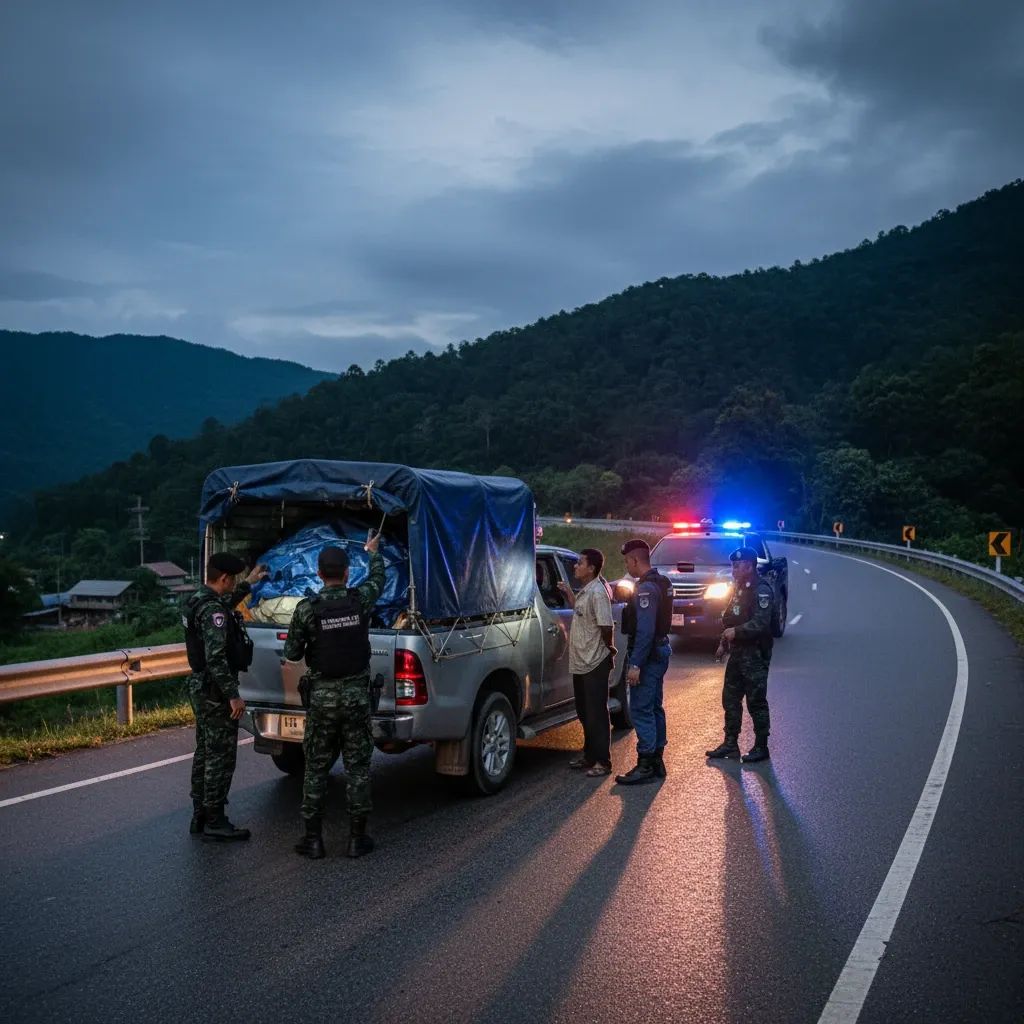
Alcohol enforcement will be strict. The Thailand Provincial Police in Chiang Mai have announced zero-tolerance drink-driving checkpoints at all festival zones with on-site breathalyzer screening. Commercial drivers caught exceeding legal blood-alcohol limits face fines starting at ฿20,000 under Article 7 of the 2018 road-safety statute.
The Sacred Foundation: Lanna Ceremony as Festival Anchor
Before the water activities commence, the spiritual components begin. The Pii Mai Muang (Lanna New Year) opens at dawn on April 6 with monks, families, and elders converging on Wat Phra Singh and Wat Chedi Luang for dawn almsgiving. The Phra Phuttha Sihing Buddha image—the city's most venerated—will process through streets lined with tung, the distinctive multicolored prayer flags that define the northern aesthetic. The rod nam dam hua ritual, a water blessing poured respectfully over elders' heads, grounds the festival's spiritual foundation and distinguishes it fundamentally from the recreational water activities that follow midweek.
Families construct sand stupas decorated with jasmine and marigolds during this opening window (April 6–10), a period deliberately quieter than the later surge. Traditional larb cooking contests, tung-crafting workshops, and ceremonial drum competitions fill afternoons with cultural participation. For foreign residents and retirees who find the April 13–15 peak overwhelming, this early phase offers cultural engagement without the intensity. Wat Chedi Luang's sand-stupa construction typically attracts a fraction of the crowds that gather at Tha Phae Gate during the midweek climax. Temple committees have strategically scheduled merit-making at dawn, creating a quieter environment for culturally motivated visitors before activity levels intensify.
Mae Kuang: Infrastructure and Development Strategy
The dam sits approximately 30 kilometers north of the city center—close enough for day-trip viability yet far enough to accommodate overflow crowds that would otherwise concentrate at the moat. The Thailand Provincial Administrative Organization in Chiang Mai secured forest-use permits in February and developed competing zones on both banks in San Sai and Doi Saket districts. Event organizers have coordinated features typically absent from informal moat gatherings: designated parking by accessibility level, water-play zones segregated by swimmer ability (children under 10 supervised separately), waste-sorting stations marked in English and Mandarin, and emergency-response protocols adapted from regional resort standards.
Marketing materials emphasize clean reservoir water, scenic hillside backdrops, and water quality compared to the moat's runoff. Local hospitality operators are preparing services including shuttle services, food courts, rental facilities, and waterproof-phone accessories. The venue experiment carries operational risk. Should attendance fall short—a realistic possibility if air pollution spikes above 100 µg/m³ or if geopolitical concerns continue affecting European travel patterns—the infrastructure becomes a significant investment without corresponding returns. Provincial officials are monitoring Singapore and Malaysian tourism-operator bookings as indicators of regional interest.
Why the Extended Timeline
The Thailand Civil Aviation Authority has confirmed that domestic carriers have maintained Bangkok–Chiang Mai fares despite fuel-price pressures. Round-trip tickets remain near ฿3,500–฿4,200—substantially lower than pre-pandemic levels exceeding ฿6,000. However, this pricing reflects broader vulnerability. European and Gulf bookings are reportedly down approximately 15% year-on-year. Airlines face a strategic choice: maintain pricing to protect margins or increase volume through competitive fares. This pricing dynamic indicates an aviation sector exposed to external factors.
Hotel occupancy in central Chiang Mai is running 60–70% in early March—below the 75% threshold that signals supply constraints. The Novotel Chiang Mai Nimman Journeyhub and InterContinental Mae Ping are bundling waterproof accessories with bookings, indicating that equipment protection has become a standard feature. Nightly rates in Nimman exceed ฿2,000 for standard rooms—a significant premium over off-season pricing that suggests pricing flexibility without supply scarcity.
Entertainment and Extended Programming
One Nimman stages nightly concerts from April 11–15 (15:00–22:00) featuring performances by established and emerging artists. The Chang Music Connection "Saad Sud Festival" then moves to Central Chiang Mai Airport's Lan Muan Jai plaza on April 18–19, deliberately extending programming two days beyond the traditional wan lai conclusion. This late-season entertainment targets younger demographics—a revenue stream for venues during typically slower periods.
The programming strategy is designed to sustain hotel occupancy during the fourth week of April, a period when occupancy typically declines as Bangkok-based professionals return to office schedules. Extended entertainment creates additional incentive for visitors and extends room-night bookings across a wider window.
Regional Context: Chiang Rai and Cross-Border Tourism
Chiang Saen across the Mekong in neighboring Chiang Rai is promoting a Three Nations Songkran linking Thailand, Laos, and Myanmar cultural programming at the Golden Triangle confluence. This cross-border approach appeals to visitors seeking distinctive experiences. Chiang Mai's strategy has been to emphasize authentic Lanna programming—liturgical ceremonies, traditional activities, and the dam's recreational positioning. Both approaches reflect the diversity of Songkran participation, from culturally focused visitors to those seeking entertainment and recreation.
Infrastructure Preparations
The Thailand Traffic Police in Chiang Mai completed resurfacing of the moat-ring road, upgraded utility infrastructure, and installed speed-limit signage along previously unmarked curves. Volunteer community checkpoints support traffic management through local participation—a model adapted from rural accident-reduction initiatives.
Medical preparedness extends beyond emergency transport. Pre-positioned trauma resources at Mae Kuang Dam and trained lifeguard teams in water rescue address potential incidents involving inexperienced swimmers navigating reservoir conditions. Waste-sorting stations with multilingual signage aim to prevent the post-festival cleanup challenges that required removal of 14 metric tons of plastic from the moat in 2025. The Thailand Sanitary and Waste Management Bureau has allocated additional disposal capacity.
Economic Projections and Tourism Positioning
The Thailand Chamber of Commerce in Chiang Mai projects at least ฿1.5 billion in provincial spending contingent on visitor numbers matching 2025 benchmarks. This projection is based on estimated average daily expenditure and typical stay duration. For context, 2025 generated approximately ฿1.4 billion from comparable visitor volumes.
The chamber is pursuing Health & Wellness package development—spa services, herbal-medicine programs, meditation sessions at forest monasteries—to attract visitors interested in extended stays and premium experiences. This positioning reflects broader regional tourism trends toward curated, experience-based offerings. Actual conversion of this positioning into bookings remains to be determined; wellness tourism is an increasingly competitive segment across Southeast Asia.
Risk factors remain. Should haze readings sustain above 100 µg/m³ PM 2.5, health advisories may affect European and Gulf bookings, which represent significant portions of pre-summer reservations. External geopolitical factors could direct visitor flows toward alternative Southeast Asian destinations.
Calendar Design and Audience Segmentation
The April 6–19 timeline accommodates different participant preferences. Early-week ceremonies (April 6–10) attract culturally engaged crowds in a quieter setting; families with young children or elderly relatives find a more gentle participation here than during the midweek period. Peak activity (April 11–15) serves those seeking full engagement and recreational atmosphere. Late-month concerts (April 18–19) target evening-focused entertainment seekers.
This expansion reflects evolving Thailand tourism strategy: distributing visitor impact across longer periods rather than concentrating on single-day events, reducing peak infrastructure strain, and accommodating diverse participation preferences. For Chiang Mai, the model's success will be measured through visitor attendance, infrastructure performance, waste management outcomes, and visitor satisfaction data. The city's Provincial Administration is implementing a comprehensive approach to accommodate both the spiritual significance of Lanna traditions and the contemporary entertainment dimensions of expanded Songkran programming.


