
Chiang Mai's Air Quality Crisis: What Residents Need to Know Now
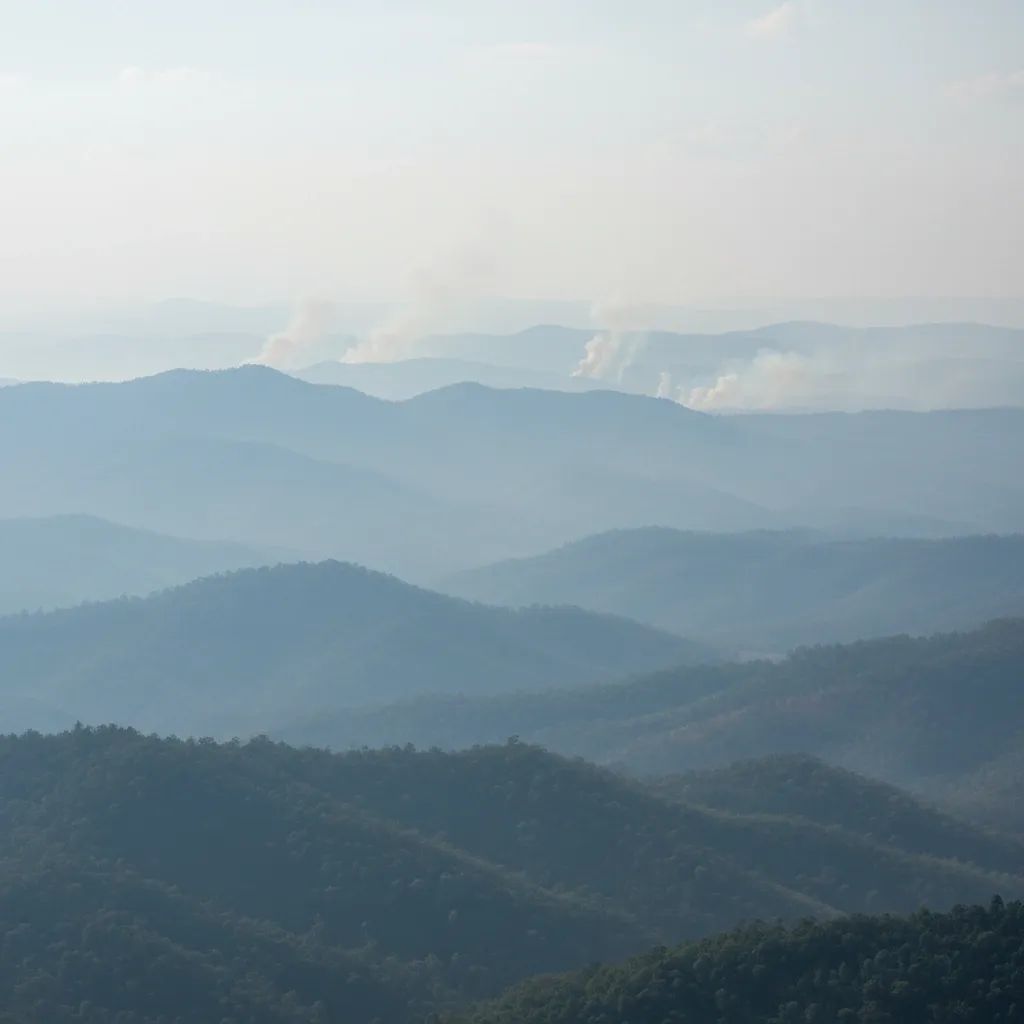
Chiang Mai is facing a severe air quality emergency as forest fires across the region push PM2.5 levels into dangerous red alert territory. For residents and visitors unprepared for Thailand's seasonal air crisis, understanding what's happening and how to protect yourself has become essential.
Current Air Quality Situation
PM2.5 concentrations in Chiang Mai have reached hazardous levels, with readings consistently exceeding safe thresholds set by both Thai and international health standards. The Air Quality Index (AQI) has climbed into the "unhealthy" category, prompting health warnings from provincial authorities. For context, PM2.5 refers to fine particulate matter measuring 2.5 micrometers or smaller—particles so tiny they penetrate deep into the lungs and enter the bloodstream.
Where the Fires Are Burning
The primary culprits are uncontrolled forest fires in several areas across the province:
• Hot District: Multiple fire hotspots have been reported, with flames spreading through agricultural and forested areas
• Doi Tao: This mountainous region is experiencing significant fire activity, creating thick smoke that drifts into populated areas
• Ob Luang National Park: The park's forest areas are burning, contributing substantially to the overall haze covering the region
These fires, whether from agricultural burning practices or natural causes, are creating a smoke blanket that affects air quality across the entire Chiang Mai metropolitan area and surrounding provinces.
Health Implications for Residents
Prolonged exposure to high PM2.5 levels poses serious health risks. The fine particles bypass upper respiratory defenses and lodge directly in the lungs, causing inflammation and reducing oxygen absorption. Vulnerable groups face the greatest danger:
• Children: Developing lungs are more susceptible to damage from polluted air
• Elderly residents: Weakened respiratory systems make them particularly at risk
• People with existing respiratory conditions: Those with asthma, bronchitis, or chronic obstructive pulmonary disease (COPD) face exacerbated symptoms
• People with cardiovascular disease: Air pollution increases heart attack and stroke risk
Even healthy individuals can experience symptoms like coughing, throat irritation, shortness of breath, and chest discomfort during prolonged red alert periods.
What Authorities Are Doing
Provincial authorities have activated emergency response measures:
• Deployment of fire-fighting teams: Ground and aerial firefighting efforts are ongoing in affected areas
• Smoke dispersal operations: Cloud seeding and other atmospheric modification techniques are being considered
• Public health alerts: Provincial health offices have issued guidance for at-risk populations
• Air quality monitoring: Real-time data collection and public alerts through official channels
However, controlling massive forest fires requires sustained effort, and immediate improvement isn't guaranteed.
Practical Advice for Protecting Yourself During Red Alert
Indoors:
• Keep windows and doors closed to prevent outside air from entering
• Use air purifiers with HEPA filters—essential equipment during crisis periods
• Set air conditioning units to recirculate mode rather than drawing fresh outside air
• Seal gaps around windows and doors with weatherstripping if necessary
When You Must Go Outside:
• Wear N95 or P100 masks properly fitted to your face—loose masks provide minimal protection
• Limit outdoor time, especially between 6 AM and 10 AM when PM2.5 levels typically peak
• Avoid strenuous outdoor activities that increase breathing rate and particle inhalation
• Consider staying indoors on days when the AQI exceeds 200
Health Precautions:
• Drink plenty of water to help flush toxins from your system
• Take any prescribed respiratory medications as directed
• Monitor your health for unusual symptoms and seek medical care if needed
• Keep emergency contact numbers for local hospitals readily available
Understanding Thailand's Seasonal Air Crisis
For those unfamiliar with Thailand's climate patterns, this isn't an isolated incident. Chiang Mai and northern Thailand experience seasonal air quality degradation, particularly from February through April, when agricultural burning combines with geographical and meteorological factors:
• Geographic factor: The valley location means smoke becomes trapped, unable to disperse naturally
• Seasonal burning: Farmers clear fields using controlled burns before planting season
• Meteorological conditions: Lower temperatures and atmospheric inversions prevent smoke from rising and dispersing
• Regional fires: Fires from neighboring areas also contribute to the haze
This pattern repeats annually, making air quality management a persistent public health concern.
Looking Ahead
While authorities work to contain the current fires, residents should prepare for the possibility of sustained red alert conditions. Stock up on N95 masks, ensure air purifiers are functioning properly, and check on vulnerable neighbors or family members. The situation will likely improve once fire activity decreases and meteorological conditions change, but that may take weeks.
For real-time updates on air quality, consult the Thai government's AirViz system or the US Embassy's air quality monitoring service, both of which provide hourly readings for Chiang Mai and surrounding areas.
Staying informed and taking proactive protective measures is your best defense during this challenging period.


