
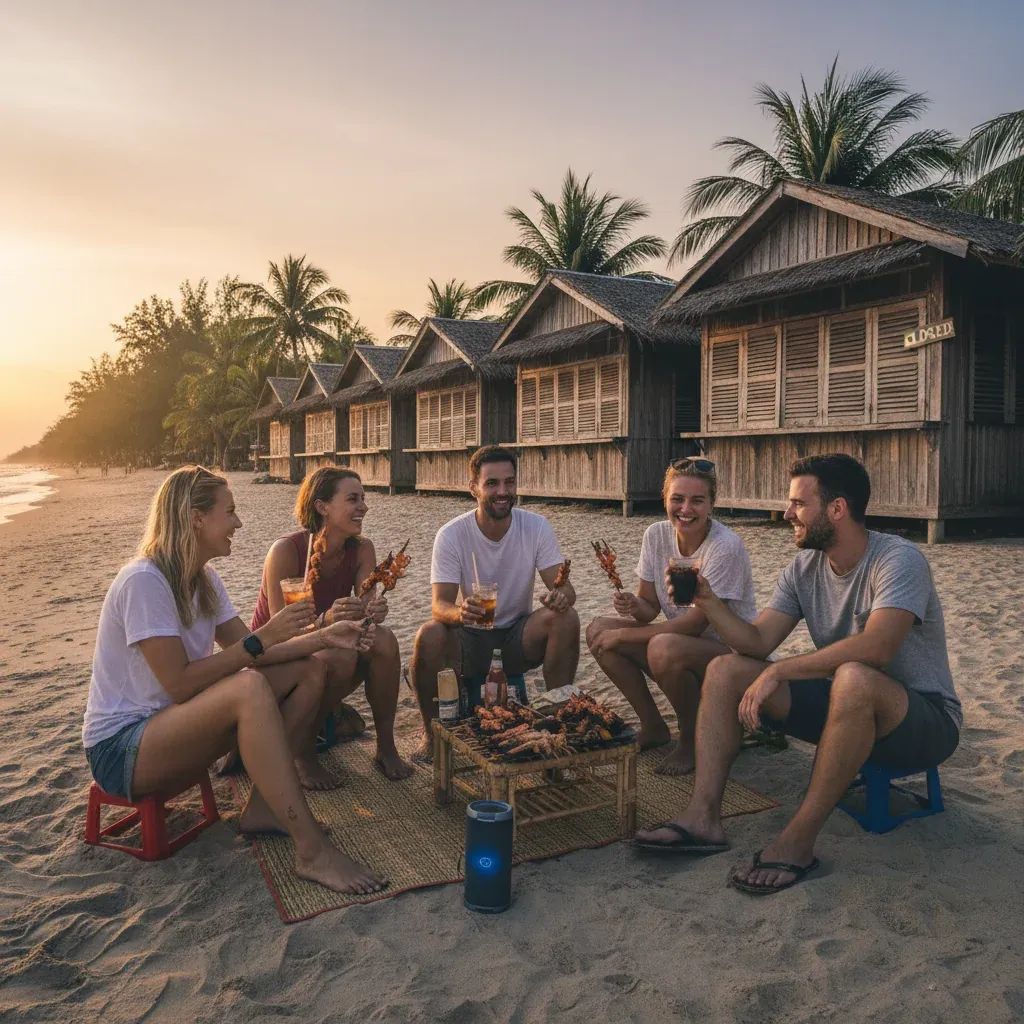
The Chon Buri Provincial Administration has activated a 24-hour alcohol blackout covering Pattaya’s nightlife district, a measure that is already nudging weekend visitors from neon-lit Walking Street to the sand — and temporarily drying up one of Thailand’s most lucrative tourism cash streams.
Why This Matters
• Zero legal alcohol sales until 18.00 today, followed by a second ban 7-8 Feb.
• Up to ฿10,000 fines or 6 months in jail for anyone caught drinking or selling.
• Nightlife businesses lose a Saturday peak, forcing hotels and bars to pivot to food-only promos.
• Beach gatherings under watch — local police say public drinking will also trigger penalties.
The Rule Behind the Quiet Streets
Under Section 147 of the Election Act, the Thailand Election Commission (EC) forbids the sale, gift or public consumption of alcohol from 18.00 on the eve of both the advance vote (31 Jan) and the general poll (7 Feb) until 18.00 the following day. Authorities argue the freeze helps keep voting “sober and fair.” For Pattaya’s 12,000 registered nightlife venues, that translates into locked doors during their most lucrative trading hours.
How Bars, Hotels & Restaurateurs Are Coping
Local operators did not wait for the police megaphone. Many rolled out “dry-night menus,” mocktail workshops and extended kitchen hours to soften the revenue hit. Several beachfront hotels bundled spa credits and early check-in perks to lure guests who might have otherwise bar-hopped. One large hospitality group told us food sales rose 18 % last advance-vote weekend, but overall takings still fell by half compared with a standard Saturday.
Tourist Behaviour: From Walking Street to Water’s Edge
With Walking Street’s shutters down, visitors created an improvised festival on the shoreline. Portable speakers replaced club DJs, while beach vendors did brisk trade in soft drinks and grilled seafood. Chon Buri police patrols kept a visible distance yet warned groups that any sight of beer cans would trigger on-the-spot penalties. As of midnight, officers reported no arrests, attributing compliance to clear pre-event messaging in English, Chinese and Russian.
What This Means for Residents
Beneath the surface, the temporary booze ban offers a preview of the broader debate around alcohol laws in Thailand:
• Home parties are not exempt. If a neighbour files a complaint, officers can seize bottles and issue fines.
• Retail blackout extends to convenience stores. Stock up before the cutoff or expect dry cabinets.
• Rideshare surge pricing: with bars closed early, trips from beachfront to suburban condos jumped 30 % last weekend.
• Opportunity for family-friendly trade: cafés saw footfall spike as parents looked for non-alcoholic evening options.
Economic Stakes for the City
Tourism analysts value a single Saturday night of free-flowing alcohol in Pattaya at ฿350-400 M. While the EC’s 24-hour ban recurs every election cycle, bar owners say the cumulative effect — plus daytime sales restrictions introduced in 2025 — is trimming margins and investor appetite for new nightlife projects. The Thailand Chamber of Commerce estimates that Chon Buri could miss out on ฿700 M across both blackout weekends if spending patterns mirror last week.
Looking Ahead
Once polls close at 18.00 on 8 Feb, alcohol sales snap back to normal rules, but operators are lobbying the incoming parliament for a review of what they label “blanket, one-size-fits-all curbs.” In the meantime, residents and tourists should mark their calendars: another silent Saturday awaits on 7 Feb. For savvy planners, that might be the perfect excuse to book a morning diving trip — or simply enjoy a rare, crowd-free stroll down Walking Street.


