
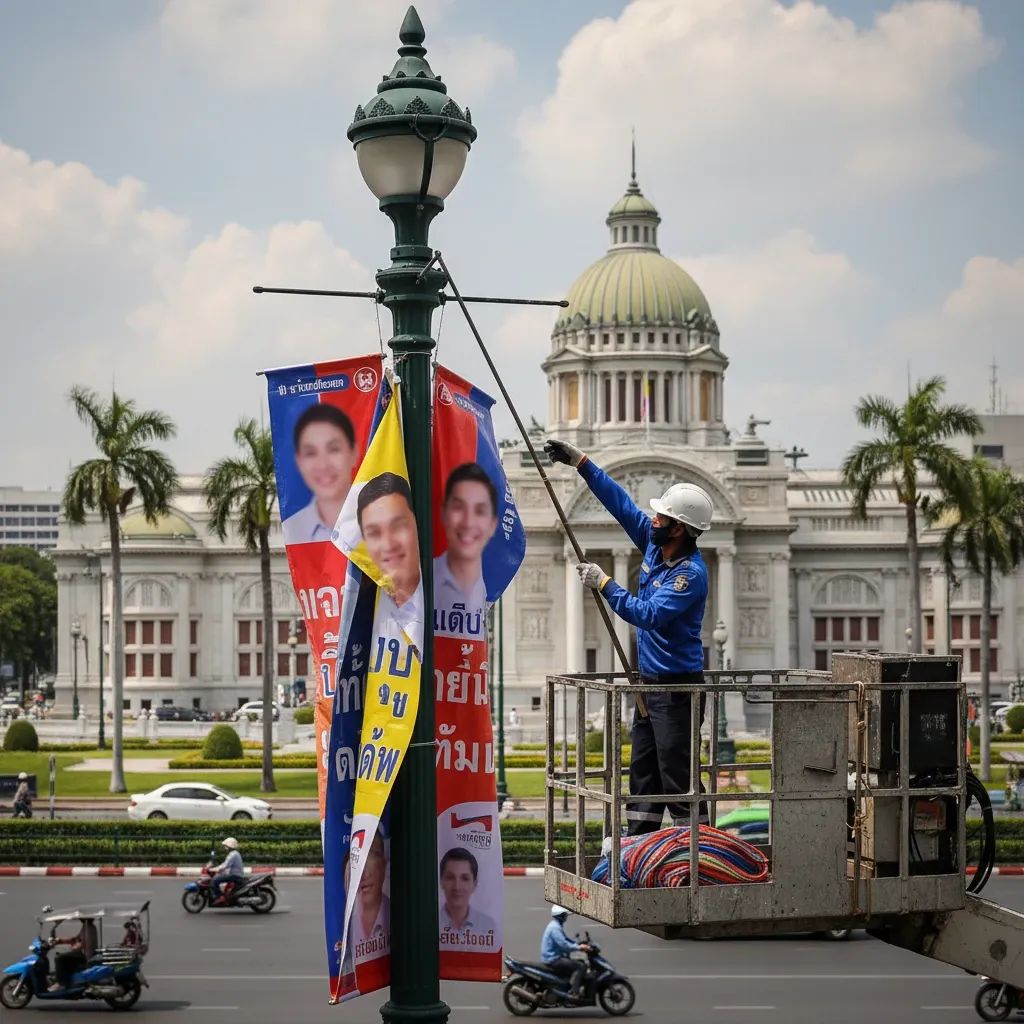
The Thailand lower house leadership has turned a once throw-away meme—“kiki”—into a potential code-of-conduct case, a move that could reshape election campaigning language and even the way everyday people comment online.
Why This Matters
• Election ads may be pulled if the slang is deemed abusive; the Thailand Election Commission is drafting a rule this week.
• Smart merch sellers are already earning ฿3 million+ by printing “Kiki Squad” shirts; copyright challenges loom.
• Schools have begun warning pupils that using the term on campus could trigger cyber-bullying penalties of up to 5 days’ suspension.
• Social-media platforms are quietly testing AI filters to flag the word during live streams, risking demonetisation for creators caught off-guard.
How a 1970s TV Grunt Became 2026’s Political Catchphrase
What started as a pop-culture Easter egg from Kamen Rider exploded when People’s Party firebrand Wiroj Lakkhanaadisorn tossed it at heckling Pheu Thai MPs during a 2025 no-confidence debate. Within 48 hours, searches for กีกี้ eclipsed “sigma” and “nom na,” according to Google Trends. The punch lands because the original Shocker Combatmen are faceless, disposable minions—exactly how Wiroj framed his opponents.
Multiple layers keep the term sticky. In Thai teen slang, the similar-sounding “ki” can reference female anatomy, fuelling outrage from conservatives. In global LGBTQ+ ballroom culture, “kiki” is a light-hearted gossip session. The collision of these meanings supercharged shares, hashtags, and inevitable misunderstandings.
From Meme to Megaphone on the Campaign Trail
With a general election locked for 8 February 2026, no party is ignoring the meme’s reach:
People’s Party rallies now open with drummers chanting a stylised “KĪ-KĪ” before speeches begin.
Pheu Thai strategists have told candidates to avoid uttering the word on stage, fearing it signals weakness.
Move Forward volunteers print QR codes linking to donation pages under graphics of green-suited henchmen, turning ridicule into revenue.
Political consultants say the term offers “low-cost virality.” A 15-second TikTok mocking rival MPs can rack up 200 000 views for under ฿300 in ad spend—cheaper than a single roadside banner.
Parliament’s Looming Language Rulebook
The Thailand Parliamentary Ethics Committee met last week to debate whether “kiki” breaches Rule 43 on decorum. Proposals on the table include:
• On-the-spot fines up to ฿50 000 for MPs who deploy slang judged “sexually suggestive.”
• A two-strike microphone cut-off during live sessions.
• Mandatory public apologies broadcast on the Assembly’s Facebook page.
Law professors warn that vague wording could chill legitimate satire. Expect a final vote before the House recesses in April.
Platforms Brace for a Slang Surge
Tech firms are pre-empting regulatory headaches. TikTok Thailand admitted it is trialling a “contextual flag” for กีกี้ after brand advertisers complained. X (formerly Twitter) has integrated the term into its Grok-Enhanced Algorithm, downgrading posts that pair the word with profanity.
Creators complain that automated filters misfire. One Bangkok gamer lost 70 % of livestream revenue when background TV audio triggered a kiki flag. Appeals can take up to 14 days—an eternity in content cycles.
Merchandising Gold … or Legal Minefield?
Unofficial “Kiki Ranger” tees, mugs, and LINE stickers now crowd Chatuchak stalls and Shopee listings. Intellectual-property lawyers caution that Toei Company, which owns Kamen Rider, has a history of sending cease-and-desist letters in Southeast Asia. Small sellers could face claims of up to ¥5 million (≈฿1.3 M) if designs echo the original costumes too closely.
What This Means for Residents
• Voters: Election messaging will get spicier. If you post campaign memes, remember that defamation laws still apply even when you hide behind a joke.
• Parents & Teachers: Schools already adding “kiki” to cyber-bullying policies. Talk to kids about context before clicks to avoid suspensions.
• Content Creators: Check platform guidelines. A single flagged stream can wipe out month-end payouts. Use subtitles or bleeps if you can’t resist the gag.
• Side-hustlers: Merch demand is real but so is IP risk. Consider original artwork or generic minion silhouettes to stay safe.
What to Watch Next
The Ethics Committee vote on decorum rules, expected mid-March, will signal how far lawmakers are willing to police speech. Meanwhile the Election Commission’s draft ad code could arrive any day, setting fines for negative campaigning that uses “demeaning pop slang.” Whether กีกี้ survives as satire or retreats under legal pressure will show Thais just how much room remains for humour in a high-stakes election season.
For now, if you hear a crowd chanting “kiki” at a rally—or outside your condo elevator—take it as shorthand for “don’t be a mindless follower.” Just be sure the microphones aren’t recording.


