
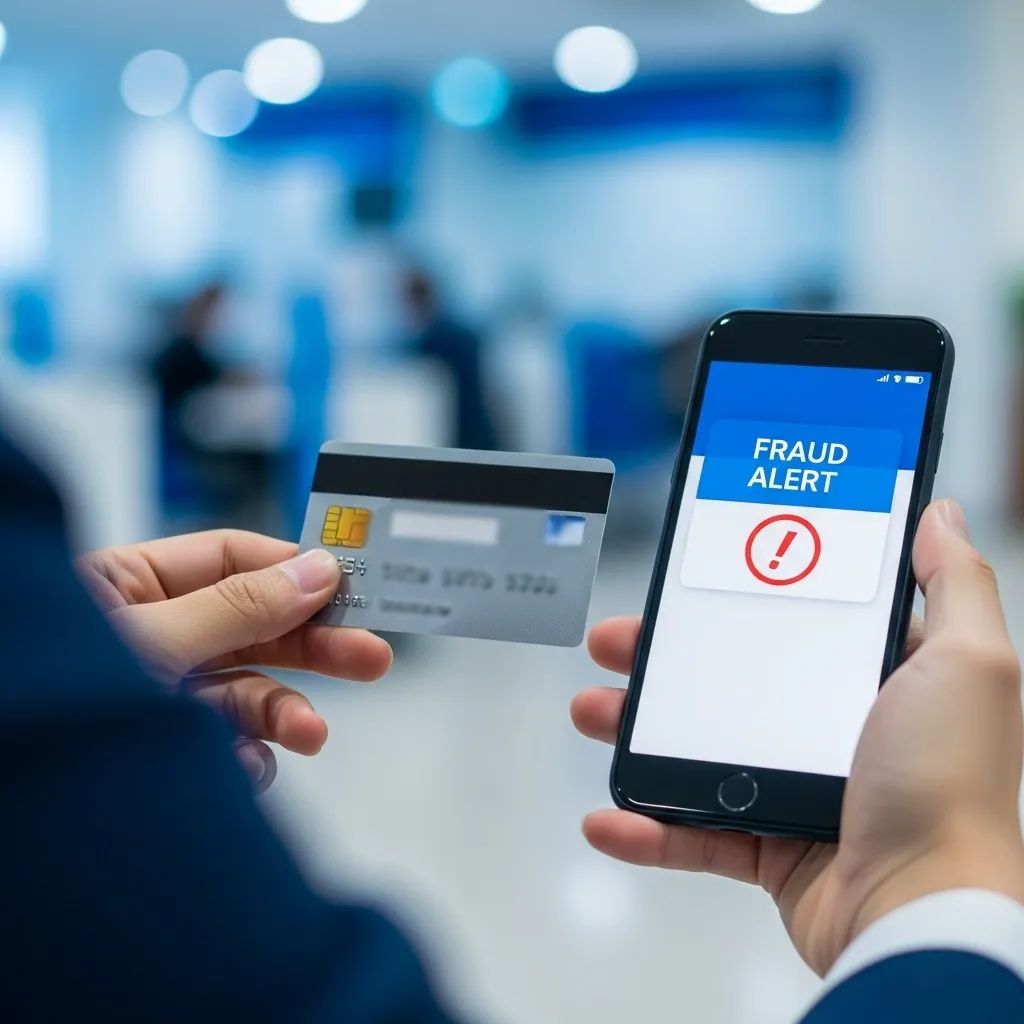
The days when a mysterious credit-card swipe could leave Thai consumers drowning in unwanted debt may be numbered. A fresh Supreme Court precedent has redrawn the power balance between banks, cardholders and cyber-criminals, forcing financial institutions—not customers—to shoulder the burden of proof whenever a payment is disputed.
Snapshot: What changed and why it matters
• Case No. 2624/2568 now places legal responsibility squarely on issuing banks to show who actually authorised a transaction.
• Cardholders can no longer be held liable merely because their name appears on the plastic.
• The Bank of Thailand and the Thai Bankers’ Association are rolling out new identity-verification tools in response.
• Consumer advocates argue the ruling finally plugs a long-standing gap in Thai cyber-fraud protection.
The Supreme Court’s new line in the sand
In a judgment quietly released on 17 December, the country’s highest court declared that the “burden of proof” now rests with the bank whenever a credit-card bill is challenged. Judges ruled that electronic payment logs alone are insufficient; lenders must present clear, independent evidence that the card owner performed—or negligently enabled—the purchase. Failing that, lenders absorb the loss.
Legal specialists say the court drew heavily on the principle that banks design the card network, harvest the fees and therefore must bear the investigative load. It is the first time Thailand’s judiciary has so bluntly rejected the long-standing presumption that “the name on the card equals the person at the till.”
Why Thai shoppers should pay attention
Cyber-fraud has surged alongside the country’s embrace of cashless spending and e-commerce. Credit-card disputes reported to the Thailand Consumers Council (TCC) topped 17 M baht in losses last year and are trending higher as criminals exploit phishing texts, fake marketplaces and compromised point-of-sale terminals. The new ruling effectively transforms Thai cardholders from potential defendants into presumed victims—unless banks can prove otherwise.
For consumers, the decision means peace of mind at checkout: unauthorised charges should no longer morph into lingering debt, interest and legal threats. It also adds legal firepower when negotiating with call-centre agents or filing police reports.
How financial institutions are scrambling to adapt
Faced with possible eight-figure write-offs, Thai lenders are accelerating security upgrades:
Stronger two-factor authentication for both physical and online transactions, including mandatory OTP or biometric confirmation above low spending thresholds.
Real-time fraud-analytics dashboards that automatically flag high-risk spending patterns and freeze the card until verified.
Store-front protocols requiring merchants to request government-ID checks for large card-present purchases.
System maintenance windows—in July and November—devoted to code overhauls that boost encryption and incident forensics.
The Bank of Thailand has reinforced the message with tighter supervisory rules. Under its latest circular, any bank that cannot refund a proven fraud loss within 5 business days risks regulatory penalties.
A broader legal ripple: from Khon Kaen to Parliament
The December verdict is already influencing lower courts. Earlier this year, a Khon Kaen Provincial Court tossed out a similar fraud suit, citing unfair contract terms that tried to force customers to accept liability for all electronic misuse. Meanwhile, lawmakers are fine-tuning the recently enacted Royal Decree on the Prevention and Suppression of Technology Crimes, which obliges banks, telcos and e-wallet providers to jointly reimburse victims if their security lapses played a role.
Consumer-rights groups view the Supreme Court judgment as a lever to push for fairer standard-form contracts, clearer dispute-resolution timelines and transparent audit trails. They also hope it will deter banks from inserting sweeping indemnity clauses into card agreements.
What to do if your card is compromised
The TCC recommends the following quick steps—every minute counts:
• Freeze the card immediately via mobile app or hotline.
• File a police e-report and note the case number.
• Submit written notice to the bank within 24 hours, attaching any supporting evidence (screenshots, bank SMS, merchant names).
• Keep logs of all calls and correspondence; courts weigh timely, documented action when assessing whether you acted responsibly.
Where Thailand’s cashless journey goes next
Analysts predict the ruling will accelerate investment in AI-driven fraud detection, tokenised card numbers and single-device mobile banking limits. While these upgrades require hefty budgets, banks quietly concede they’d rather fund prevention than risk courtroom defeats that undermine customer trust.
For Thailand’s 28 M credit-card holders—and the millions more who rely on debit and mobile wallets—the message is clear: security is no longer the consumer’s sole responsibility. The legal and financial onus has shifted, and with it, the hope that digital payments can expand without putting household finances on the line.


