
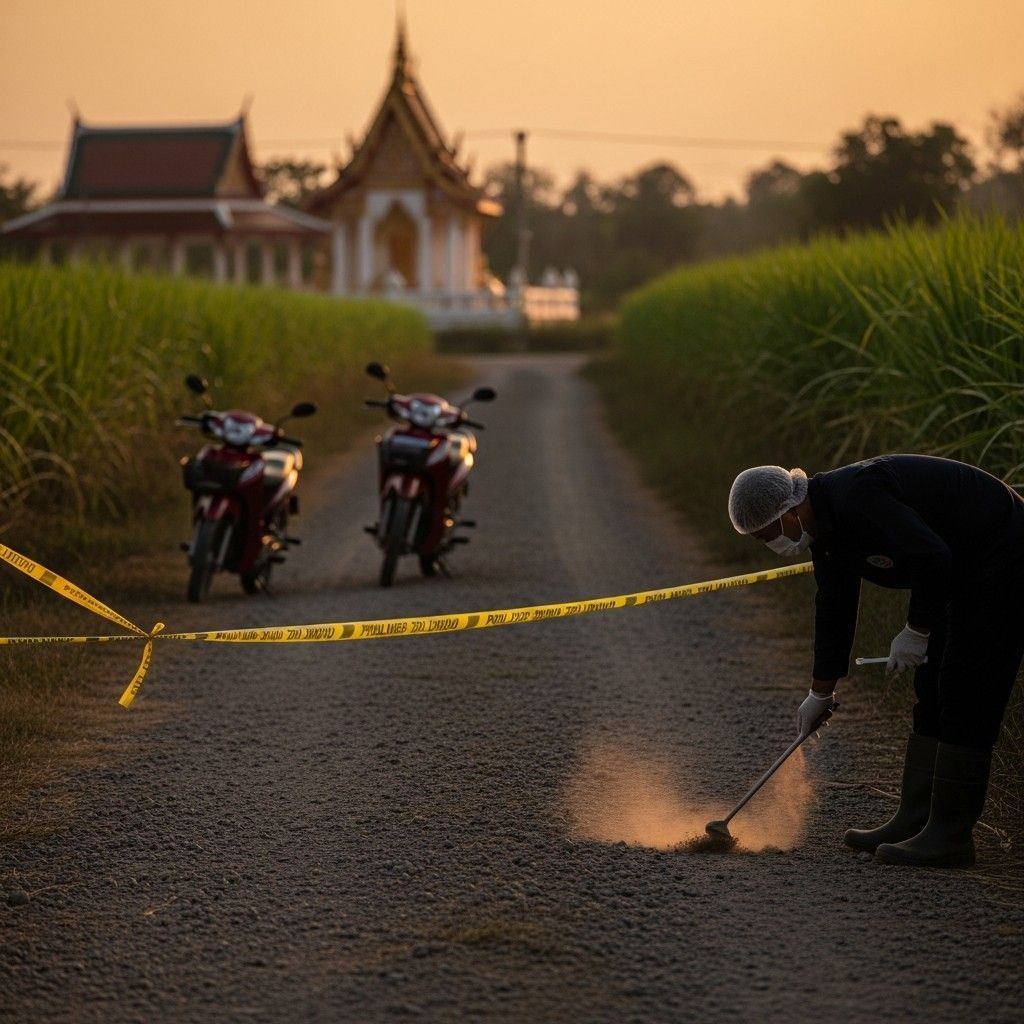
Thailand's Chachoengsao Province saw another unsettling reminder of the country's growing snake intrusion problem when a resident opened her door and came face-to-face with a large serpent clinging just inches away. The incident, which occurred today, highlights a wider pattern affecting households across the kingdom as urbanization encroaches on natural habitats and seasonal shifts drive reptiles into residential zones.
Why This Matters
• Rising encounters: Snake sightings in Thai homes have surged in 2026, driven by habitat loss and environmental shifts.
• Year-round risk: Both rainy and hot seasons push snakes toward cooler or drier shelter—often human dwellings.
• Action required: Experts urge residents to seal entry points, eliminate food sources like rodents, and call emergency rescue services at 199 rather than attempting removal themselves.
The Chachoengsao incident adds to a troubling history in the province. In 2016, a man in Bang Pakong district was bitten on his genitals by a python while using the bathroom. A year later, a rescue worker responding to a snake call in the same district was himself attacked. And in April 2024, one household reported snakes entering their property on four consecutive days, prompting the owners to conduct a religious blessing ceremony.
Understanding the Invasion
Thailand's snake problem is neither random nor seasonal—it is structural. The Thailand Department of National Parks and wildlife experts attribute the uptick to overlapping pressures: rapid urban sprawl, poor waste management that attracts rodents, and climate volatility that disrupts reptile behavior.
Snakes seek three things when entering homes: shelter, food, and temperature regulation. Overgrown gardens, piles of debris, and cluttered storage areas provide ideal hiding spots. Homes near rice paddies, forests, or water bodies face elevated risk, but even central urban areas are not immune. Bangkok's outer districts have logged hundreds of callouts annually, with pythons and cobras the most common culprits.
The rainy season drives snakes to higher, drier ground as floodwaters inundate their natural habitats. Conversely, extreme heat sends them indoors in search of shade and moisture. During molting periods, snakes become more vulnerable and actively seek rough surfaces—concrete walls, rock piles—to shed their skin, making residential structures particularly attractive.
Chachoengsao, with its mix of agricultural land, canals, and expanding housing estates, sits at the intersection of these risk factors. The province has reported multiple species in residential areas, including venomous cobras, king cobras, Malayan pit vipers, green pit vipers, and non-venomous but dangerous reticulated pythons.
Species and Threat Levels
Not all snakes pose the same danger, but Thailand residents should treat every encounter as serious until species identification is confirmed by professionals.
Cobras remain the most commonly encountered venomous species. Their neurotoxic venom can cause muscle weakness, respiratory failure, and death within hours if untreated. Cobras are defensive and will spread their hoods and hiss when threatened; some species can spit venom, causing blindness if it contacts the eyes.
King cobras, the world's longest venomous snakes, are less common but far more lethal. Their venom attacks both the nervous and cardiovascular systems. Though typically shy, females guarding nests during breeding season become highly aggressive.
Malayan pit vipers are particularly dangerous because they blend into soil and leaf litter in gardens and fields. Their hemotoxic venom prevents blood clotting, leading to severe internal bleeding and tissue necrosis.
Green pit vipers inhabit trees and shrubs, making them nearly invisible. Their bites cause severe swelling and hemorrhaging.
Among non-venomous species, reticulated pythons pose a physical threat due to their size and constricting power. Multiple incidents in Chachoengsao involved pythons entering homes via drainage pipes or open doors.
What Residents Must Do
Thailand's emergency services and herpetologists have issued clear guidance: prevention is paramount, and professional intervention is non-negotiable.
Immediate Defense Measures
Seal all entry points. Snakes can squeeze through gaps as narrow as 2 centimeters. Inspect door thresholds, window frames, wall cracks, and especially drainage pipes and toilet systems. Install metal mesh screens over vents and drains.
Eliminate food sources. Rodents, frogs, geckos, and small birds attract snakes. Use proper waste bins with tight lids, store animal feed in sealed containers, and deploy traps for rats—not poison, which can kill pets and leave carcasses that attract snakes.
Maintain clean perimeters. Overgrown grass, wood piles, and scattered construction materials create perfect snake habitats. Trim vegetation to within 30 centimeters of the ground, remove fallen branches, and clear clutter from under porches and sheds.
Deploy deterrents. Thai experts recommend spreading sulfur powder or kerosene-soaked rags around property boundaries. The pungent smell irritates snake skin and respiratory systems. Halved kaffir limes placed near drains and under furniture emit a citrus odor that repels reptiles. Gravel paths and borders create uncomfortable surfaces snakes prefer to avoid.
Install vibration devices. Solar-powered snake repellers emit low-frequency pulses that mimic predator movement, convincing snakes the area is unsafe.
If You Encounter a Snake
Do not approach, provoke, or attempt capture. Even non-venomous snakes can inflict serious bites, and startled serpents may strike defensively.
Keep distance and monitor. If the snake is stationary, cover it carefully with a large basin or bucket to contain it—but never in direct sunlight, which causes heat stress and makes the animal more aggressive.
Call 199 immediately. The Thailand emergency rescue hotline dispatches trained handlers equipped with snake hooks, tongs, and transport containers. Response times in Chachoengsao typically range from 15 to 45 minutes depending on location.
Document the encounter. If safe to do so, photograph the snake from several meters away. This helps responders prepare appropriate equipment and, if a bite occurs, enables hospital staff to administer the correct antivenom.
Medical Response and Antivenom Access
Thailand's Chachoengsao Hospital and the Queen Saovabha Memorial Institute in Bangkok maintain stocks of polyvalent antivenom effective against most indigenous venomous species. However, rural clinics may lack supplies, making rapid transport to provincial facilities critical.
Snakebite victims should immobilize the affected limb, remove jewelry and tight clothing near the wound, and avoid tourniquets, ice, or incision—all outdated and dangerous practices. Note the time of the bite and any symptoms: swelling, numbness, difficulty breathing, or vision changes all require emergency intervention.
The Broader Trend
Chachoengsao's experience mirrors a national pattern. Thailand has recorded thousands of snake-related emergency calls in recent years, reflecting a significant increase in human-wildlife encounters. Urban expansion into former wetlands and forests has displaced reptile populations, forcing them into closer contact with humans.
Climate models predict more extreme rainfall and prolonged dry spells, both of which will intensify snake migration into residential areas. Without coordinated action—stricter building codes requiring sealed foundations, public education campaigns, and expanded rescue capacity—incidents like the Chachoengsao door encounter will become routine rather than exceptional.
Impact on Residents and Investors
For expatriates and property buyers, snake risk is now a material consideration in Thailand real estate decisions. Homes with landscaped gardens, proximity to water, or rural settings require enhanced protective measures, potentially adding ฿15,000–฿30,000 to annual maintenance costs for professional pest control, structural sealing, and deterrent systems.
Insurance policies rarely cover snake-related property damage or medical expenses unless specific riders are purchased. Thailand expat forums report growing interest in snake-proof fencing and elevated foundation designs, particularly in provinces like Chachoengsao, Nakhon Pathom, and Samut Prakan.
The incident serves as a blunt reminder: coexistence with wildlife in Thailand demands vigilance, preparation, and respect for both human safety and ecological balance. The grandmother in Chachoengsao escaped harm, but the next resident may not be so fortunate without proactive defense measures and community awareness.


