
Thailand’s rising number of babies born before 37 weeks has prompted a rare cross-departmental push, as health officials race to shrink the preterm rate from 9.91% to under 8%. By weaving together village volunteers, urban medical centres and cutting-edge data platforms, the government aims to protect the nation’s youngest from lifelong challenges.
Quick Facts for Thai Families
• Current scope: Pilot efforts in 24 provinces plus Bangkok, touching 418 hospitals and thousands of อสม. volunteers.
• Key risk checks: Diabetes, hypertension, anaemia, vaginal infections and oral health screening now free at subdistrict clinics.
• Prenatal visits: Expectant mothers encouraged to complete five or more quality check–ups starting before week 12.
• Goal line: Cap premature deliveries at 8% by the end of 2027, aligning with global averages.
Bridging Urban Centres and Rural Villages
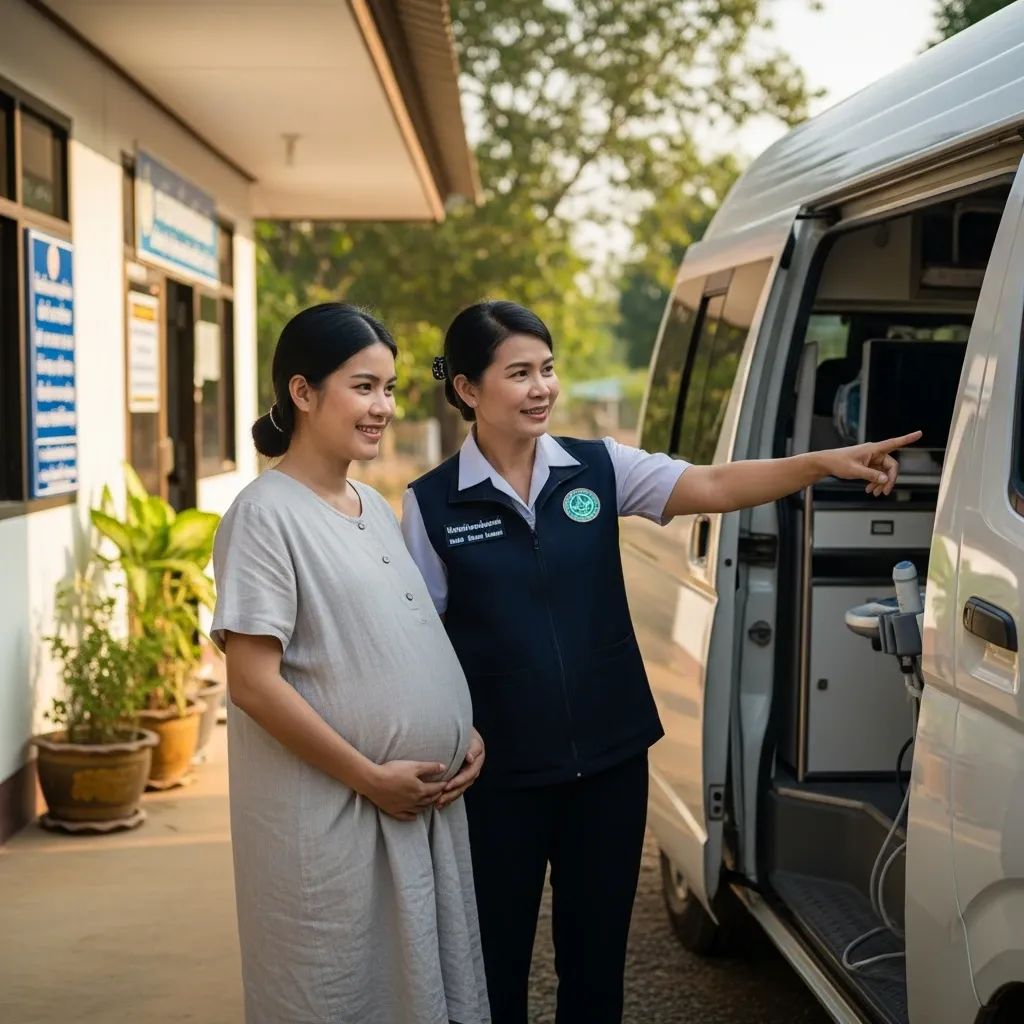
From bustling Bangkok wards to serene northern tambons, this initiative taps into every level of Thailand’s health network. Provincial governors now report quarterly on how many pregnant women finish at least five antenatal sessions, while village health volunteers (อสม.) track newcomers for early registration. Mobile ultrasound teams traverse remote districts, ensuring cervical-length scans reach mothers who otherwise travel hours. This blend of community engagement and hospital-based care is designed to catch risks before preterm labour strikes.
Screening, Prevention and Early Intervention
Doctors stress that many premature births are preventable with timely action:
• Risk factor screening: Free tests for five red flags—diabetes, hypertension, anaemia, vaginal infection, and severe oral disease—are now standard at all subdistrict health centres.
• Hormonal support: Women flagged with a cervix under 25 mm or previous early delivery can opt for weekly progestogen shots, shown to cut repeat preterm risk by up to 40%.
• Nutrition and lifestyle: Emphasis on balanced diets, stress reduction and smoking cessation; provinces now offer แม่หญิงโยคะ classes to promote gentle exercise.
Community Champions and Digital Tools
Local volunteers aren’t just door-knockers. In Khon Kaen, a network of red-shirted drivers stands ready to ferry at-risk mothers to hospitals, trimming neonatal transfers by an average of 35 minutes. Meanwhile, a new Line OA bot delivers iron–supplement reminders and flags abnormal blood-pressure readings to midwives in real time. At the national level, data from subdistrict clinics flows into a dashboard managed by the Department of Health, guiding resources where they’re most needed.
The Price of an Early Arrival
A single premature birth can rack up intensive-care bills of around ฿150,000, even after public insurance contributions. Families often shoulder extra outlays for travel, lodging and lost income. Over time, some preterm infants need occupational or speech therapy, costs partially offset by up to ฿5,000 in Social Security Fund reimbursements—though many parents remain unaware of this aid.
What Every Expectant Mother Should Remember
Book your first check-up before week 12 and aim for at least five quality visits.
Ask your provider about hormonal therapy if you’ve had past early deliveries or a short cervix.
Embrace a balanced diet, moderate exercise, and avoid tobacco or alcohol.
Keep track of your health metrics—especially blood sugar and blood pressure—and alert volunteers if readings veer off course.
Racing the Clock Toward 8%
Officials have set three critical milestones:
• Nationwide rollout of an eight-visit antenatal care model by mid-2026.
• A unified risk-screening registry linked to citizen records by early 2027.
• District-to-hospital transfer times under 60 minutes for threatened preterm labour in every province.
Sustained funding and community enthusiasm will be vital. Yet the pilots’ early dips in preterm rates offer a glimmer of hope. For roughly 380,000 babies expected this year, extending gestation even by a few weeks can mean the difference between fragile beginnings and stronger starts in life.


