
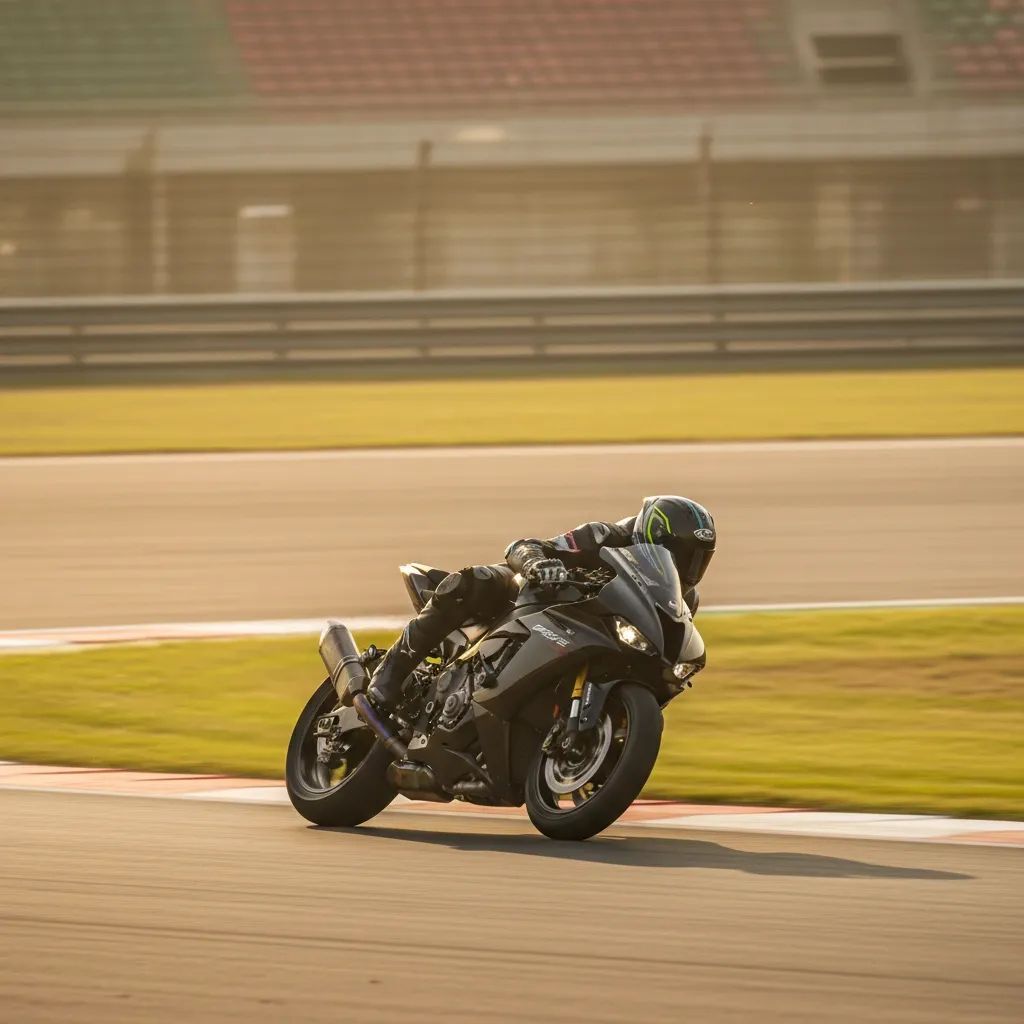
Buriram is about to transform into the world's premier motorsport stage this weekend, hosting the 2026 season's most anticipated kickoff—and Thailand will shoulder the commercial spotlight that usually favors Europe. The Chang International Circuit opens its gates to welcome riders piloting what may be the most powerful bikes most fans will ever witness, as 1000cc prototypes thunder into competition one final time before the sport downsizes to 850cc machinery next year.
Why This Matters
• The Thailand circuit becomes the global season opener, a status once reserved for Qatar or European venues—repositioning Southeast Asia as MotoGP's commercial epicenter.
• Economic windfall peaks: Historical data shows the event typically injects ฿3–฿4B into Buriram's economy, supporting thousands of jobs in hospitality, security, and logistics over the three-day span.
• Last gasps of raw power: Fans attending this weekend witness motorcycles at their current absolute performance ceiling—mechanical and aerodynamic evolution freezes until 2027's radical downsizing.
The Circuit's Moment as Global Curtain-Raiser
Dorna Sports, the commercial steward of MotoGP, made a deliberate choice: Thailand, not Europe, launches the 2026 championship. This reversal reflects the sport's strategic tilt toward Asia-Pacific growth markets. The Tourism Authority of Thailand successfully marketed Buriram's credentials—the circuit's FIM Grade 1 certification, track layout rewarding late-breaking and corner-entry aggression, and the province's emerging hotel infrastructure all factored into the decision.
The February 27 start date carries tactical advantage. Thai audiences enjoy post-Lunar New Year enthusiasm, neighboring countries can field spectators without competing against domestic holidays, and Buriram's climate remains warm but manageable—the brutal April heat hasn't yet arrived. Historically, Qatar occupied the season-opening slot for years, but Thailand's willingness to invest in world-class venues and the government's commitment to motorsports development secured the prize.
Technical Reality: The Final 1000cc Showcase
Riders arriving in Buriram are locked into frozen engine specifications—manufacturers cannot tinker with engine internals, aerodynamics, or mechanical performance upgrades beyond what they ran in 2025. The rationale: cost containment and leveling the competitive field before next year's technological overhaul.
Yamaha exploited a loophole, shifting from its traditional inline-four engine architecture to a V4 configuration—a architectural redesign rather than a refinement. This gamble signals Yamaha's confidence that the new shape will bridge the current season while positioning them for the 850cc switch.
Each rider carries seven standard engines for the entire season—a resource allocation that punishes early crashes and mechanical failures. Concession-status teams receive nine or ten engines, a handicap system designed to compress the performance gap. Come 2027, that allowance drops to six engines, forcing teams into laser-focused reliability strategies.
Opening Practice Reveals Aprilia's Aggressive Stance
Friday morning's first practice session offered a preview of competitive dynamics. Marco Bezzecchi, piloting Aprilia Racing machinery, clocked 1'29.346 seconds—the fastest time—with fellow Aprilia rider Jorge Martín rounding out the top three. Fabio Di Giannantonio (Ducati) nabbed second, signaling that the Cavallino line-up, despite Ducati's factory muscle, faced stiffer competition than anticipated.
Marc Márquez, seven-time world champion now wearing the Ducati Lenovo team colors, posted the sixth-best time. His transition from Gresini to Ducati's factory operation remains a work-in-progress; six weeks of private testing can't fully erase the muscle-memory gap. His younger sibling Álex Márquez, defending his runner-up status at Gresini, carries pressure to prove last year's breakthrough wasn't a fluke.
These opening laps underscored the frozen technical landscape: no dramatic performance deltas emerged between leading riders, no unexpected breakthroughs shifted the pecking order. The playing field, by regulation, remains compressed. Success will hinge on racecraft, tire management, and consistency rather than breakthrough hardware or aggressive fuel-mapping.
The Attendance and Ticket Reality
Grandstand seats evaporated in just over 3 minutes—a sell-out velocity matching previous years' frenzies. General admission zones still carry capacity, but premium sightlines and climate-controlled sections are exhausted. The 2024 edition drew 205,343 spectators. Organizers anticipate 2026 will match or exceed that figure, particularly given early demand signals and international promotion.
International visitors comprise roughly 10–15% of attendance—European, Malaysian, Vietnamese, and Singaporean fans who time annual vacations around the event. Currency exchange booths around the circuit see brisk business; tour operators bundling circuit access with nearby attractions (Khmer archaeological sites, silk-weaving villages) report full booking calendars since mid-January.
Navigation and Logistics for Attendees
Gate timing: General admission doors open at 06:30; grandstand and side-stand access begins 07:30 (Sunday's gates unlock at 07:00 to accommodate early arrivals). Expect crowds to build rapidly from 08:30 onward.
The Buriram Provincial Police have implemented one-way traffic circulation on approach roads from 10:00 to 20:00 daily. Designated parking zones, color-coded and monitored, supplement traditional parking. Shuttle services run from Buriram railway station (roughly 15 km away) at 30-minute intervals. Ride-hailing apps experience surge pricing—a three-kilometer ride typically costs ฿300–฿450 under normal circumstances, but during race weekends, expect ฿600–฿800.
Temperatures in late February hover between 32–35°C with minimal cloud cover. The circuit offers shade only in covered grandstands; general admission areas are exposed. Bring sunscreen (SPF 50+), a refillable water bottle, and light clothing. Hydration stations are plentiful but queues lengthen during mid-afternoon sessions.
Weekend Schedule and Viewing Strategy
Friday, February 27: Practice sessions determine baseline performance. FP1 (early morning) and FP2 (late morning) establish tire behavior and baseline setup points. These sessions attract casual fans and photographers seeking less-crowded vantage points.
Saturday, February 28: Qualifying determines grid positions for Sunday's main race. The Sprint Race (12–15 laps depending on track) follows, awarding half-championship points. Sprint racing has become a tactical laboratory—riders test tire degradation, refine braking points, and scout rivals' weaknesses without jeopardizing their Sunday strategy.
Sunday, March 1: The 26-lap final race distributes full championship points and sets the season's psychological narrative. Early attrition carries outsized weight; a mechanical failure on lap 8 eliminates recovery opportunities. Aggressive opening-lap maneuvers intensify as riders fight for track position, knowing that mid-season upgrades won't rescue poor starts.
Broadcast Access and Commentary
True4U Channel 24 delivers free-to-air coverage nationwide—a significant public service given Thailand's premium sports market structure. Coverage begins 30 minutes pre-session, with Thai-language commentary targeting local audiences. Signal quality is reliable across most provinces, though rural areas occasionally experience degradation.
TrueVisions Now app (SPOTV Channel 689) streams English commentary, targeted at international viewers and expat residents. A subscription or day pass is required; pricing typically ranges ฿99–฿199 per day. The app's buffering lag averages 8–12 seconds behind live action—close enough for genuine spectation but delayed enough that social media spoilers arrive before on-screen moments.
Practical Information for Residents and International Visitors
If you're a resident in Thailand hosting international friends or family for the event, several logistics warrant attention:
Visa Considerations: Visitors from most Western nations enjoy 30-day visa-exempt entry; check the Thai Immigration Bureau website for your passport country. If your guests require visas, apply through Royal Thai Embassy channels at least 60 days prior. The circuit is in a border province—standard domestic tourism protocols apply, but advance documentation prevents bottlenecks.
Vehicle Rentals and Driving: International Driving Permits (IDPs) paired with home country licenses suffice for rental vehicles. Major agencies (Hertz, Avis, Budget) operate in Bangkok and Korat (200 km west of Buriram); arrange reservations early as weekend rental demand spikes. Drive times average 4–5 hours from Bangkok, with tolled expressways reducing variability. Fuel and parking costs are minimal; domestic fuel runs approximately ฿35–฿40 per liter.
Currency Exchange: Baht exchange rates are favorable against most major currencies. Airport exchange counters offer competitive rates; dedicated exchange booths dot downtown Buriram near accommodation clusters. ATMs around the circuit dispense baht; however, withdraw adequate funds before arriving—rural ATM reliability varies. Circuits typically offer cash-only purchasing for food and merchandise, though card terminals are increasingly present at premium ticket gates.
Foreign Residents' Customs: As a Thailand resident, you benefit from domestic ticket pricing advantages if you hold a Thai ID card or valid work permit. Embassy-sponsored groups occasionally negotiate group rates—contact your embassy's cultural affairs office. Residents are exempt from certain tourist infrastructure charges, so carry identification documentation.
Off-Track Culture and Entertainment
Tuk Tuk Challenge: Twelve decorated three-wheeled taxis, piloted by pairs of drivers (several active MotoGP competitors), parade the track distributing limited-edition merchandise. It's a quirky marriage of Thai street culture and global motorsport theater—Instagram-fodder designed to reach younger demographics. The spectacle reinforces Thailand's "soft power" positioning while providing genuine fan engagement.
Muay Thai Exhibition: A professional bout titled "Muay Thai: Thai Tradition" showcases elite fighters Saturday afternoon near the main paddock. The government promotes Muay Thai as cultural export and national identity marker; integrating a sanctioned exhibition into MotoGP programming amplifies that message to international audiences.
Chang Music Connection Stage: Evening concerts feature Thai rock and pop lineups:
• Friday: Little John, Klear
• Saturday: Lomosonic, Sien Banterngsilp
• Sunday: Silly Fools
All performances are included with race admission. The stage is positioned to offer clear sightlines from grandstands, creating a multi-sensory experience blending motorsport and live music into a unified entertainment ecosystem.
Long-Term Implications for Buriram Province
The circuit's 2014 completion transformed Buriram from agricultural anonymity into a year-round events hub. The adjacent Buriram United Stadium (50,000 capacity) hosts football matches and concerts; the circuit itself rotates between MotoGP, domestic racing series, and music festivals.
Provincial GDP growth has outpaced national averages since 2015—economists partially attribute this to the circuit's "halo effect," sustained international media exposure, and repeat tourism. Real estate prices in downtown Buriram appreciated roughly 40% over five years. New hotel developments continue to break ground, signaling investor confidence in sustained demand beyond race weekends.
The 2023 MotoGP event alone generated ฿4B for the local economy, supporting approximately 12,000 temporary jobs across security, catering, logistics, and event services. The 2022 edition (post-pandemic return) generated ฿3.39B and attracted over 179,000 attendees, mostly Thai nationals. Historical data from 2019 and 2018 showed similar economic footprints—฿3.45B and ฿3.07B respectively—suggesting the event functions as a reliable economic anchor regardless of global conditions.
What Awaits Next Year and Beyond
While 2026 promises close competition and the final exhibition of 1000cc power, the 2027 technical revolution casts a shadow over strategy rooms. Next year mandates 850cc engines, a 75mm maximum bore, six engines per rider per season (down from seven), and 100% sustainable fuels. These changes aim to improve safety, reduce manufacturing costs, and align MotoGP with global climate commitments.
For manufacturers, 2026 becomes a balancing act: invest heavily in optimizing the current platform and risk wasting resources on obsolete technology, or underinvest and watch the championship slip. For dedicated fans, this season represents a final opportunity to witness raw, unfiltered 1000cc power before regulation imposes mechanical austerity.
Buriram's status as the season opener carries layered significance: it establishes global narrative momentum for Thailand and Southeast Asia, showcases Buriram's world-class infrastructure, and delivers measurable economic stimulus to a province that leveraged smart infrastructure investment into sustainable competitive advantage.


