
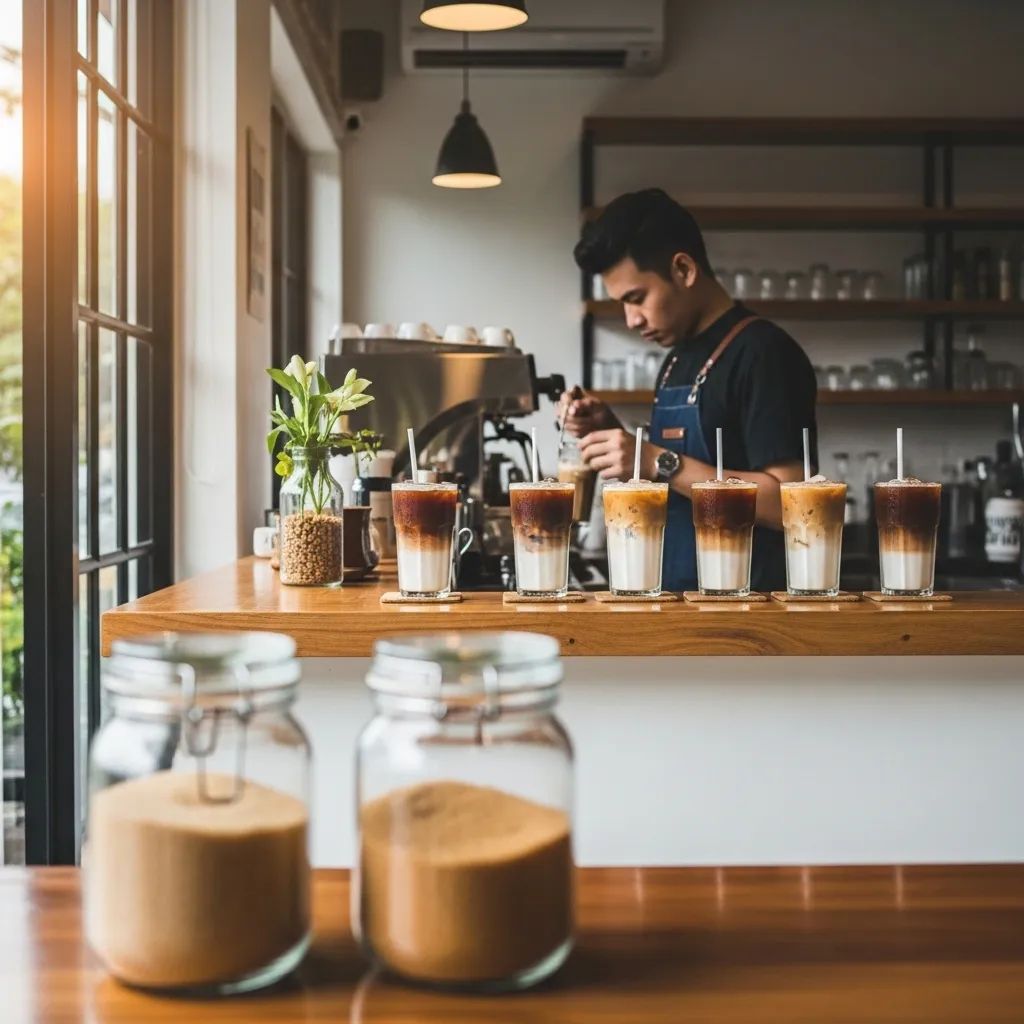
Thai café culture is about to get a healthier twist as the Department of Health resets the nation’s sweet-tooth benchmark, nudging every made-to-order drink toward half the sugar without changing a single recipe.
Quick Takeaways
• Launch date: Feb 11, 2026
• Default sweetness: 50% of current sugar levels
• Major chains on board: Inthanin, Café Amazon, All Café, Black Canyon
• Aim: curb non-communicable diseases and reshape consumer habits
A Turning Point in Thailand’s Sugar Story
Thailand’s average daily sugar intake still hovers around 23 teaspoons, nearly four times the World Health Organization’s 6-tsp guideline. Sugar-sweetened beverages reign supreme among sugar sources, driving up cases of diabetes, hypertension, and obesity. With healthcare costs rising, policymakers see a window to make the healthier choice the easier one.
How the "Half-Sugar" Default Works
Rather than rewriting café menus, the new standard simply flips the script on the default setting. When you order a cha yen, latte or fruit tea, the point-of-sale system will now register what was once the 50% sweetness option as the baseline. Customers can still ask for the old standard or cut even more, but no extra action is needed to enjoy a less sweet sip. This subtle shift is designed to rewire taste preferences over time.
From Megachains to Mom-and-Pop Stalls
The DoH has enlisted five major retail players that together cover 55% of the country’s 35,000 drink outlets. Alongside Bangchak Retail (Inthanin), PTT OR (Café Amazon), CP All (All Café, Kadsuan, Bellinee’s) and Black Canyon (Thailand), the campaign unites industry bodies like the Thai Coffee Association, plus regulators from the FDA and the Department of Disease Control. Their shared goal: consistent rollout from Bangkok to Chiang Rai.
Lessons from Abroad
Several nations offer blueprints for success:
• United Kingdom’s Soft Drinks Industry Levy (SDIL) spurred manufacturers to cut sugar and slashed kids’ soda intake by 50% in three years.
• Singapore’s Nutri-Grade labels and siu dai by default policy helped coffee stalls pivot toward lower-sugar blends.
• Australia’s Voluntary Sugar Reduction Pledge and Health Star Rating system have driven a 17% reduction in added sugars since 2018.
Next Steps: Oversight and Incentives
Compliance checks will roll out via random café audits and customer feedback platforms. If adoption stalls, the DoH may tie future excise-tax incentives to adherence. For now, the emphasis remains on partnership rather than penalties, with training sessions and updated menu stickers doing the heavy lifting.
Expert Perspectives
Dr Amporn Benjapolpitak, DoH director-general, calls this a move toward an “environment where healthy choices come naturally.” Nutrition chief Dr Saipin Chotivichien highlights that shifting the nation’s sweetness baseline is more cost-effective than treating another wave of NCD cases. International voices—like Harvard’s Prof. Dr. Walter C. Willett—underscore that small, sustainable tweaks in diet can yield outsized public health dividends.
What This Means for You
Your go-to iced latte or bubble tea isn’t disappearing, but its starting point just got leaner. Embrace the new norm and taste buds may adjust in months. And if you crave the old sugar rush, simply ask for “full sweetness.” Every reduced-sugar order is one step closer to lighter hospital loads and a healthier Thailand.


