
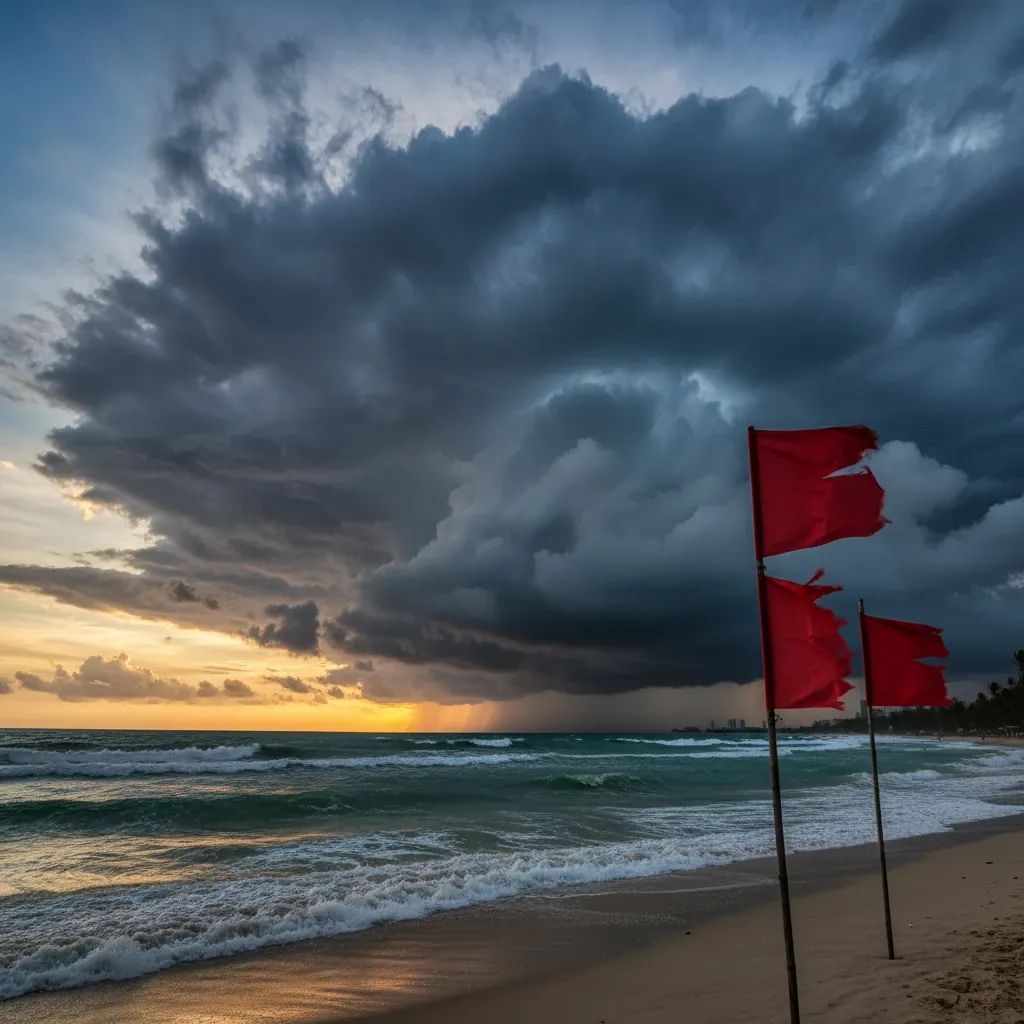
Summer Storms Expected in Eastern Thailand March 3-6
The Thai Meteorological Department has issued forecasts of thunderstorm activity between March 3 and 6, affecting eastern Thailand and coastal regions. This is typical late dry-season weather as conditions transition toward the summer monsoon period. Pattaya residents and visitors should prepare for afternoon and evening storms, temporary service disruptions, and beach closures during the event.
What to Expect: Timeline and Conditions
March 3-5 in Pattaya will follow a predictable daily pattern:
Mornings will be clear and hot, with temperatures climbing to 33-38°C between 2 and 4 p.m. Humidity will rise to 75-85%, making conditions feel 3-5 degrees hotter than the actual reading.
Afternoon and early evening (typically 4-9 p.m.) will bring rapid cloud development and thunderstorms. Rainfall rates during heavy cells can exceed 30-40 mm per hour. Wind gusts will reach 40-60 km/h in storm cores. Lightning activity will be frequent—expect multiple strikes per hour during peak intensity. Individual storms typically last 30 minutes to 2 hours before moving offshore or weakening.
Overnight (9 p.m. to 6 a.m.), winds will gradually decline to 10-30 km/h and temperatures will drop to 24-28°C.
Affected Areas
The Thai Meteorological Department forecasts:
• Northeast Thailand: Storms beginning March 3
• Eastern region (Chonburi Province, Rayong, Chachoengsao): Peak activity March 4-5
• Bangkok metropolitan area: March 5-6
• North: March 6
Individual storm cells remain unpredictable at the neighborhood level—some areas receive heavy rain while adjacent zones remain dry.
Beach and Marine Operations
Sea conditions will be deceptive. Outside active storm zones, wave heights will stay below 1 meter. However, within developing thunderstorms, wave heights will surge to 1-2 meters within minutes, creating sudden hazards for swimmers, paddleboarders, and small boats.
The Marine Department will enforce strict protocols:
• Red flag conditions (water entry prohibited) during all forecast storms
• Suspended ferry services to Koh Larn and other island destinations 6-12 hours before severe weather arrives
• Stranded passengers will be sheltered at government-supported rates with rescheduled returns
Safety Guidance for Residents
Construction workers and outdoor laborers: Cease outdoor activity and retreat to shelter at least 30 minutes before the first visible lightning. The risk window extends 30 minutes after the last audible thunder.
Beachgoers and swimmers: Water sports and swimming are prohibited during active storms. Lightning striking water poses direct electrocution risk, and sudden rip currents created by storm wind shear are dangerous. Retreat to enclosed structures at the first sign of darkening clouds or distant thunder.
Drivers: Avoid flooded roads entirely. Visibility during heavy downpours can drop to 50 meters or less. If caught in severe rain, pull to a safe shoulder and wait for conditions to improve.
At home: Remain indoors during peak storm activity (typically 4-9 p.m.). Close windows and secure doors to prevent wind-driven rain intrusion. Avoid using electrical appliances during lightning activity. Charge mobile devices and portable power banks before storms arrive. Stage emergency supplies: water, food, batteries, flashlights, and basic medical kits.
Tourism and Business Impact
Pattaya's tourism sector has established routines for managing March storms:
• Hotels and resorts activate contingency protocols: securing loose outdoor furniture, testing backup generators and water storage, staging emergency supplies, and briefing staff on evacuation routes
• Revenue consequences are typical for seasonal weather events. Service disruptions are short-term, usually lasting 12-48 hours
• The Tourism Authority of Thailand operates a 24-hour hotline (1672) to provide travel updates and coordinate support for affected visitors
Infrastructure and Services
Power outages are common during severe storms. The Electricity Generating Authority of Thailand (EGAT) maintains pre-positioned repair crews; outages typically last 1-4 hours depending on damage severity and location.
Urban flooding can occur in neighborhoods with inadequate drainage, particularly older Bangkok districts and low-lying coastal areas. The Department of Drainage and Sewerage increases pump operations during storms.
Water supply disruptions can last 12-24 hours following severe flooding as treatment plants manage sediment and restore pressure.
Agricultural Precautions
Farmers in Rayong, Chachoengsao, Trad, and surrounding provinces should take the following precautions before March 3:
• Reinforce tree stakes and guy-wires in fruit orchards
• Clear debris and standing water around root zones to prevent soil saturation
• Move livestock to reinforced shelters
The Thai Meteorological Department emphasizes these measures are standard pre-storm procedures for protecting assets and livestock.
What Happens After March 6
By March 7, the high-pressure system will consolidate and atmospheric conditions will stabilize across upper Thailand. Thunderstorm risk will decline to isolated cells. Temperatures will settle into the 32-35°C range, closer to late dry-season norms.
For residents, this March event represents a routine seasonal weather challenge. Monitor the Thai Meteorological Department's real-time forecasts (website updates; 24-hour hotline: 1182) for any trajectory refinements or intensity updates. Heed official warnings and take the safety precautions outlined above. The difference between inconvenience and injury typically hinges on whether people took shelter, secured property, and made conservative decisions when advised to do so.


