
The medical research community is tracking a promising yet complex development in post-pandemic treatment strategies: a human enzyme called PAD4 (Protein Arginine Deiminase 4) appears to be a double-edged sword in fighting SARS-CoV-2 and its lingering effects. While blocking this enzyme could reduce dangerous inflammation and viral replication, new evidence from August 2025 reveals it may simultaneously weaken the body's adaptive immune defenses—a finding with significant implications for both acute COVID-19 management and the ongoing Long COVID crisis affecting an estimated 10-15% of recovered patients globally.
Why This Matters
• Treatment trade-off: PAD4 inhibitors reduce life-threatening lung inflammation but may compromise T cell responses needed to clear the virus completely
• Long COVID connection: The enzyme is linked to both gut barrier breakdown and persistent inflammation in post-acute syndrome patients
• No clinical trials yet: Despite preclinical promise, no major PAD4-targeted COVID-19 trials are scheduled for Thailand or internationally in 2026
• Gut health research emerging: Dietary interventions and probiotics targeting "leaky gut" are being investigated as potential symptom management strategies for Long COVID sufferers
The Enzyme Coronaviruses Exploit
Coronaviruses have evolved a cunning survival strategy: they hijack PAD4 to rewire infected human cells in their favor. Research demonstrates that infection with coronaviruses, including SARS-CoV-2, triggers increased production of PAD4 within host cells. This enzyme catalyzes a process called citrullination—chemically modifying proteins in ways that appear to suppress the body's antiviral defenses.
Studies on the earlier human coronavirus HCoV-OC43 showed that viral infection actively promotes PAD4 transcription, leading to elevated citrullination throughout infected cells. When researchers applied pan-PAD inhibitors or knocked out the PAD4 gene entirely, viral replication dropped significantly for both HCoV-OC43 and SARS-CoV-2. The leading hypothesis suggests these inhibitors work by preventing the inactivation of interferon-stimulated genes (ISGs)—critical components of the innate immune response that normally fight off viral invaders.
Analysis of SARS-CoV-2 infected lung tissue revealed upregulation of both PADI2 and PADI4 genes, with PAD4 typically showing greater dominance. This pattern suggests the virus specifically benefits from elevated PAD4 activity, making the enzyme an attractive pharmaceutical target—at least in theory.
The Inflammation Amplifier
Beyond its role in viral replication, PAD4 drives a parallel threat: runaway inflammation through Neutrophil Extracellular Traps (NETs). These web-like structures are released by white blood cells to ensnare pathogens, composed of decondensed DNA studded with antimicrobial molecules. PAD4 enables NET formation by citrullinating histones, causing the tightly packed chromatin in cell nuclei to unravel and burst outward.
In severe COVID-19, excessive NET formation creates more harm than protection. These structures accumulate in lung tissue and blood vessels, contributing to the thrombotic complications that made COVID-19 particularly deadly—forming clots that block oxygen exchange and blood flow. Autopsies of COVID-19 victims revealed NET-laden occlusions in vessel lumens throughout the lungs.
Preclinical experiments with PAD4-specific inhibitors like GSK-484, GSK199, BB-Cl-Amidine, and TDFA demonstrated promising results: reduced NET concentrations in infected lungs, improved breathing function, and better weight maintenance in animal models. For researchers focusing on pulmonary medicine, these findings initially suggested a straightforward therapeutic approach.
The Immune System Catch-22
The optimism dimmed considerably with a landmark August 2025 study that exposed PAD4 inhibition's hidden cost. While pharmacological blocking of the enzyme did reduce NET formation and improve clinical outcomes in infected animals, it simultaneously diminished virus-specific T cell responses—the adaptive immune system's primary weapon for clearing infections and building lasting immunity.
The mechanism proved troubling: PAD4 inhibition impaired dendritic cell antigen presentation and reduced IL-2 signaling, both essential processes for activating and sustaining T cells that target infected cells. In practical terms, treating patients with PAD4 inhibitors might reduce immediate lung damage but leave them vulnerable to prolonged viral persistence or reinfection—a particularly concerning prospect for immunocompromised individuals or those facing repeated exposures.
This immunological trade-off explains why, despite years of research and multiple effective compounds in laboratory settings, no advanced clinical trials for PAD4 inhibitors in COVID-19 appear on research landscapes or major international registries for 2026. The pharmaceutical development pathway has stalled at the preclinical stage, with researchers now searching for combination strategies that might preserve T cell function while still reducing NET-mediated damage.
What This Means for Long COVID Patients
For the substantial population struggling with post-acute COVID-19 syndrome—commonly called Long COVID—the PAD4 connection extends beyond initial infection into chronic symptoms. Patients report persistent fatigue, cognitive impairment ("brain fog"), breathlessness, and gastrointestinal distress months or years after viral clearance.
Recent investigations have identified elevated PAD enzyme levels, including PAD4, in Long COVID patients alongside a condition called "leaky gut" syndrome. This occurs when the intestinal lining develops microscopic gaps, allowing partially digested food particles, bacterial toxins, and fungal components to escape into the bloodstream. The immune system responds with chronic, low-grade inflammation that manifests as the multisystem symptoms characteristic of Long COVID.
Studies comparing Long COVID sufferers to fully recovered individuals found significantly higher markers of intestinal permeability and fungal translocation in the symptomatic group. The degree of fungal translocation correlated with symptom burden and quality-of-life impairment. Researchers believe the gut microbiota alterations create a self-perpetuating cycle: dysbiosis causes barrier breakdown, which triggers inflammation, which further damages the gut lining and alters beneficial bacterial populations.
The connection to PAD4 remains under investigation, but the enzyme's role in promoting systemic inflammation through NET formation likely contributes to gut barrier deterioration. However, directly targeting PAD4 in Long COVID patients carries the same immune suppression risks identified in acute infection studies.
Gut-Centered Treatment Strategies: Current Research and Limitations
Rather than waiting for PAD4-targeted pharmaceuticals that may never overcome their immunological drawbacks, researchers are investigating gut-focused interventions as potential management strategies for Long COVID patients. While these approaches show promise in preliminary studies, it's important to understand both their potential benefits and current limitations:
Probiotic and prebiotic combinations have shown measurable benefits in early studies. Clinical trials using Lactobacillus strains combined with inulin (a prebiotic fiber) reported reduced cough, fatigue, and gastrointestinal symptoms in some Long COVID cohorts. However, response rates vary considerably among patients, and most studies involve relatively small sample sizes. These synbiotic formulations work by reintroducing beneficial bacteria while providing the fuel they need to colonize and strengthen the intestinal lining. Long-term effectiveness and optimal formulations remain under investigation.
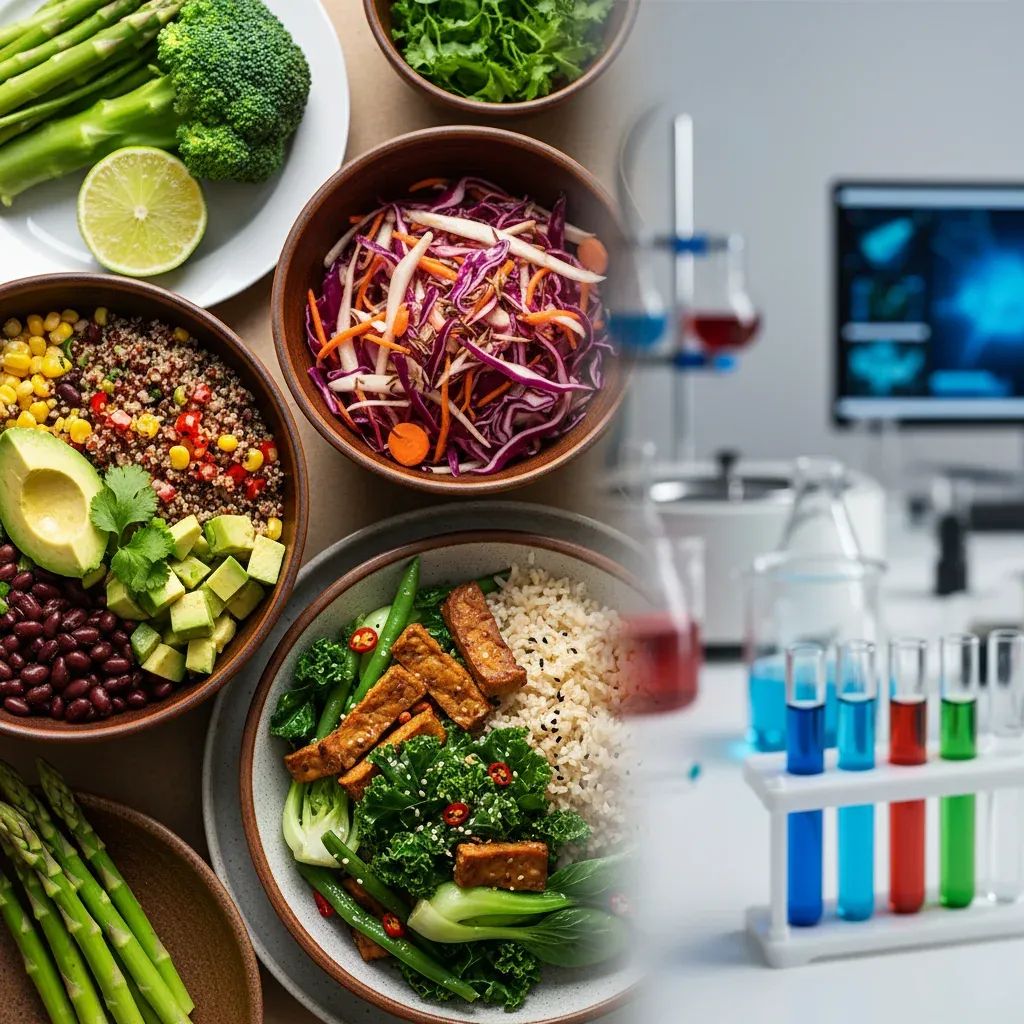
Dietary fiber is emerging as a focus area in research. Gut bacteria ferment fiber into short-chain fatty acids (SCFAs), especially butyrate, which serves as the primary energy source for intestinal epithelial cells. Higher SCFA levels can strengthen tight junctions between cells and reduce permeability, while also exerting anti-inflammatory effects throughout the body when absorbed into circulation. Severe COVID-19 cases consistently show depletion of butyrate-producing bacterial species—a deficit that persists into Long COVID. However, the clinical efficacy of fiber supplementation as a Long COVID treatment remains incompletely characterized.
The Mediterranean Diet pattern—rich in vegetables, fruits, whole grains, legumes, and olive oil—provides both the fiber substrate for SCFA production and anti-inflammatory polyphenols that may modulate immune responses. For residents accustomed to rice-based diets, incorporating more vegetables and fermented foods aligns with nutritional guidelines while potentially supporting gut health. Specific clinical outcomes in Long COVID populations require further study.
More aggressive interventions include Fecal Microbiota Transplantation (FMT), which has shown partial restoration of healthy gut bacteria populations and alleviation of gastrointestinal symptoms in small Long COVID trials, though long-term outcomes and patient selection criteria remain unclear. Short-term elimination diets removing gluten, dairy, and refined sugars may provide temporary relief for some patients while the gut barrier heals, though the necessity and duration of such restrictions for Long COVID recovery haven't been definitively established.
These approaches should be considered in consultation with healthcare providers rather than as standalone replacements for medical supervision. Success rates vary among individuals, and appropriate medical oversight remains essential.
The Clinical Development Gap
The absence of PAD4 inhibitor trials in 2026 reflects a broader reality: pharmaceutical development has pivoted away from this target for COVID-19 specifically. While one company, Neutrolis, advanced an albumin-DNase1L3 fusion protein (a NET-degrading agent rather than a PAD4 inhibitor) showing promise in severe COVID-19, their 2026 Phase 2a trials focus on Systemic Lupus Erythematosus and Rheumatoid Arthritis rather than viral infections.
Current COVID-19 clinical research in 2026 concentrates instead on adaptive platform trials for critically ill patients, imaging techniques to assess long-term lung damage, vaccine side effect profiles, and the gut health interventions described above. Antiviral drug development has moved toward broad-spectrum protease inhibitors targeting viral Mpro and host TMPRSS2 rather than inflammation modulators.
Separate research published in January 2026 by a UCLA-led team identified another enzyme-related phenomenon: fragments of the SARS-CoV-2 spike protein, after breakdown by human immune enzymes, can directly kill specific immune cells. This represents a distinct mechanism from PAD4 activity but underscores how deeply the virus manipulates human enzymatic processes.
Practical Implications for Thailand Residents
For individuals in Thailand navigating COVID-19's aftermath, the PAD4 research offers important context for understanding recovery options. The evidence suggests:
Acute infection management should continue relying on proven antivirals, monoclonal antibodies when appropriate, and supportive care rather than waiting for PAD4-targeted therapies that remain years from clinical availability—if they arrive at all given the immunological concerns.
Long COVID sufferers may benefit from consulting healthcare providers about gut health optimization strategies. Options under medical supervision include fiber-rich foods, fermented products like yogurt or traditional Thai pickled vegetables, and probiotic supplements, though individual response varies. For Bangkok and provincial residents dealing with persistent fatigue or cognitive symptoms, healthcare providers specializing in gastroenterology or post-COVID recovery can help assess whether microbiome-focused interventions are appropriate for individual circumstances.
The PAD4 story illustrates a common pattern in precision medicine: identifying a therapeutic target proves far simpler than developing drugs that modulate it without unacceptable trade-offs. For now, the enzyme remains a research curiosity rather than a clinical tool, while the evidence-based work of optimizing gut health remains an active area of investigation for Long COVID management.


