
Why This Matters
• Tide literacy saves lives: Krabi's canal systems experience dramatic tidal shifts that can strand kayakers in mud when water levels drop unexpectedly.
• Safety briefing compliance is your lifeline: Foreign kayakers who ignore pre-trip instructions face hours stranded in mud without rescue until conditions improve.
• Rescue is reactive, not guaranteed instant: While guides do search, response times depend on visibility and your group's ability to stay calm.
A foreign couple's recent kayaking excursion in Krabi province serves as a stark reminder of how quickly water conditions can shift and how critical it is to follow safety protocols before paddling.
The Sequence of Events
A visiting couple launched their kayak into the Tha Len canal, a mangrove estuary that winds through the province's northern interior. The guide conducting the tour observed the pair engaged in an argument during departure and noted they appeared inattentive when he delivered mandatory safety protocols before the paddle began. Whether language barriers clouded their understanding or they simply underestimated the risks remains unclear—but the distinction proved immaterial once circumstances turned.
The afternoon proceeded without incident. By dusk, however, the tidal cycle shifted decisively. Water drained from the shallow channel, transforming navigable passages into expanses of clinging mud. The couple, positioned midway through their route, suddenly lacked sufficient depth to reverse course. Their kayak became anchored in glutinous sediment, a characteristic hazard of mangrove ecosystems where tidal flats extend hundreds of meters during ebb phases.
Darkness fell. Rain intensified. The pair, terrified that stepping from their kayak would result in the mud swallowing them—a fear that reflects how little most travelers understand about estuarine environments—froze in place. They waited, immobilized by panic and cold.
The Search and Reconciliation
Hours passed. When the couple failed to return by the expected arrival time, the guide embarked into the rain-soaked canal to locate them. Navigating the maze of mangroves in poor visibility, he eventually discovered them huddled together on their kayak—no longer bickering. The extended confinement, the shared fear, the isolation had eroded their earlier friction. By the time rescue arrived, they were reconciled, clasped together against the cold.
All three returned to shore safely, though shaken and exhausted.
Understanding Krabi's Tidal Hazard
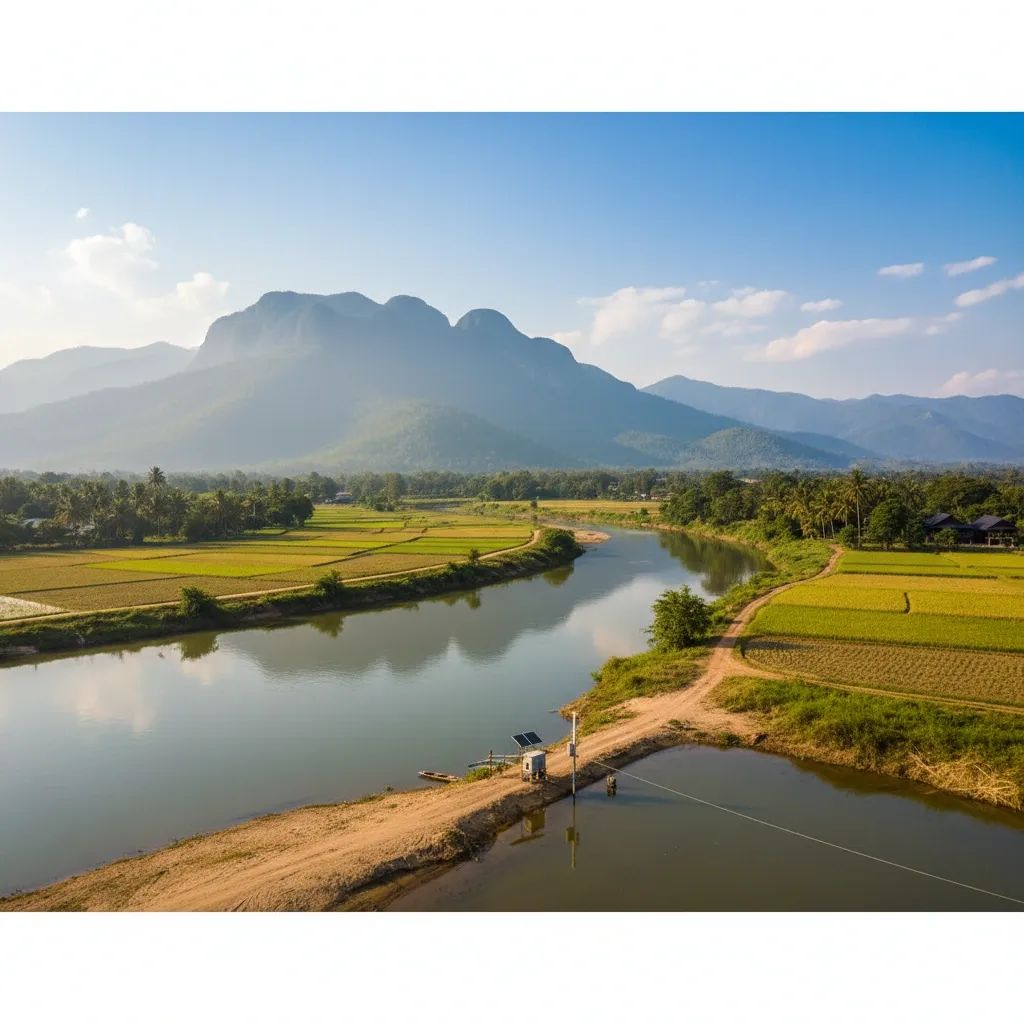
The Tha Len canal exemplifies a common challenge in Krabi's waterways. Krabi experiences dramatic tidal swings—water level shifts of several meters are routine rather than exceptional. During incoming tides, channels fill; during outgoing cycles, they desiccate into mud-fields punctuated by isolated pools. Kayakers, swimmers, and boaters unfamiliar with these rhythms often arrive at the terminus of a trip only to discover the return leg now requires wading through mud or waiting for the tide to turn 4-6 hours later.
Incidents involving foreign visitors in Krabi's canal systems underscore the importance of understanding tidal patterns before launching. The risk is real, and awareness is the first line of defense.
What This Means for Residents
For anyone planning water excursions in Krabi province—expatriates, Thai residents, or visiting tourists—the takeaway is straightforward: tide schedules are not optional information. They define whether your trip ends or extends itself into an overnight ordeal.
Licensed tour operators are required to provide safety briefings and furnish safety information upon request. These briefings should address tidal patterns, mud hazard zones, weather forecasts, and emergency protocols. Life jackets should always be worn. Operators are subject to regulatory oversight and enforcement for safety violations.
If you experience an emergency, contact local authorities immediately. The Tourism Police can be reached for assistance and operates response services 24/7.
Practical Steps for Staying Safe
If you're planning a kayaking excursion in Krabi, adopt this pre-departure checklist: confirm your operator is licensed and reputable; request the safety briefing in writing if your Thai is limited; ask explicit questions about tidal timing and expected water depth at your destination; never enter the water or launch without a correctly-fitted life jacket; photograph or note the guide's contact details and file a float plan (departure time, expected return time, location) with a reliable contact on shore.
If you feel unsafe at any point—bad weather, unclear instructions, inadequate equipment—inform your guide immediately. Do not proceed. Cancellations are preferable to emergencies. If your guide resists or ridicules your concern, contact local authorities to report the issue.
The couple's story ended safely, reminding us that in Krabi's tidal zones, nature operates on a schedule indifferent to human schedules or emotions. Respect that schedule, listen to the briefing, wear the jacket. Your safety depends on it.


