
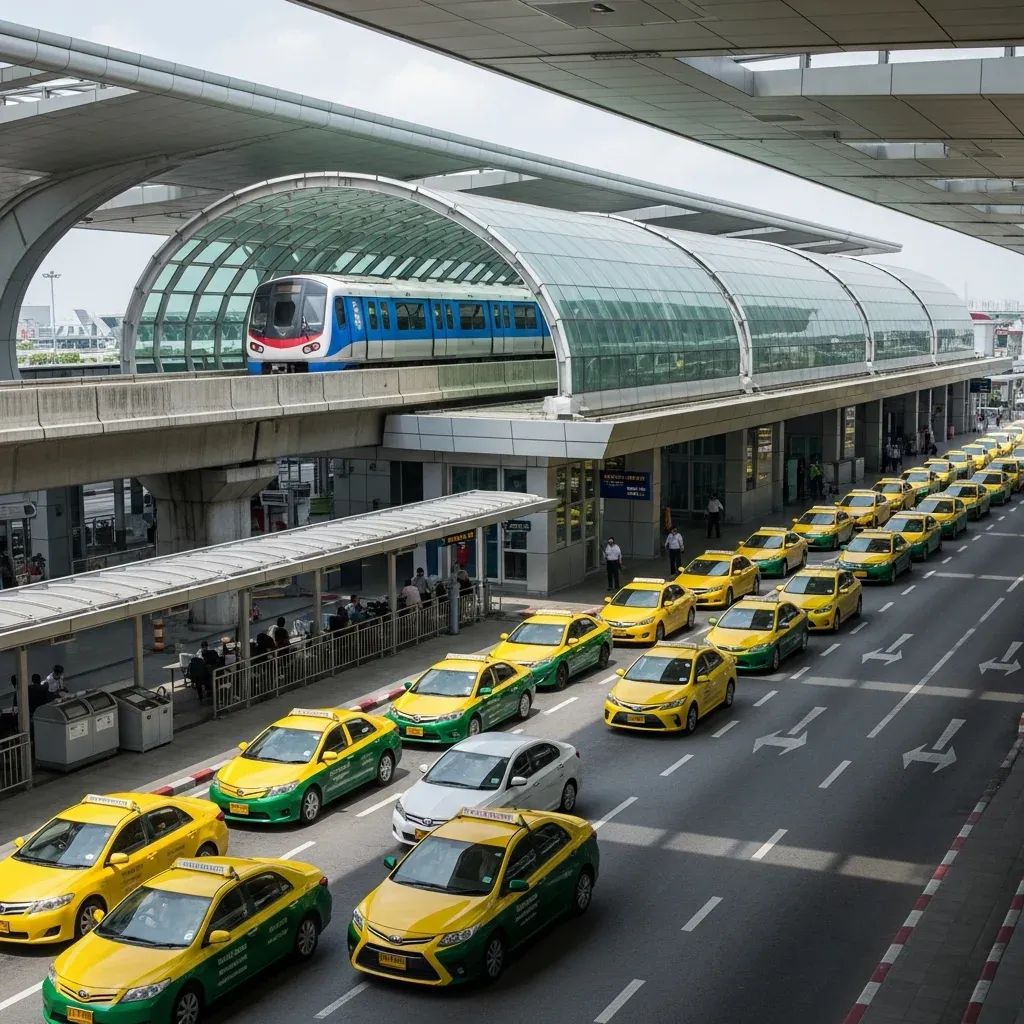
Thailand's Airports of Thailand (AOT) is grappling with a ground transportation crisis at Suvarnabhumi Airport, where a nationwide diesel shortage has forced half of the airport's 5,000–6,000 registered taxis off the road—stranding arriving passengers and disrupting daily commutes. This isn't a pricing shock; it's a distribution breakdown that has left pump lanes empty and diesel-powered SUVs and vans unable to refuel.
What You Need to Know Right Now
• Half the taxi fleet at Suvarnabhumi is now inactive, with only approximately 2,500 vehicles operating
• Wait times at taxi queues now exceed 45 minutes during peak afternoon and evening hours
• Drivers are refusing long-distance fares for fear of running out of fuel mid-trip
• Alternative transport options remain available but with higher costs and longer wait times
Impact on Travelers and Airport Users
Passengers landing at Suvarnabhumi currently face extended waits at taxi ranks during peak hours. Airport staff have been redirecting travelers to alternative services:
• Airport Rail Link: Direct service to central Bangkok (฿45–90 depending on destination), but trains reach capacity during rush hours
• Ride-hailing platforms (Grab, Bolt): Available but showing 20–30% surge pricing on airport routes due to reduced driver availability
• Fixed-rate limousine counters: Standard fares have risen from ฿1,200 to ฿1,500+ during high-demand periods
• Hotel shuttles and pre-booked services: Corporate travelers increasingly using these to avoid queues
Drivers report that fuel pumps run dry by evening, forcing them to queue for hours or abandon shifts entirely. Many now decline passengers headed to provinces outside greater Bangkok, wary of being stranded without fuel access. Effective service zones have shrunk, with many taxis accepting fares only to destinations within a 30-kilometer radius of the capital.
For residents dependent on airport taxis for work commutes or regular travel, the disruption has cascaded into everyday mobility costs and planning.
The Root Cause: Diesel Distribution Breakdown
Pallop Chayinthu, president of the Suvarnabhumi Taxi Coordination Association, confirmed that the shortage stems from a logistics bottleneck rather than an overall fuel supply deficit. While the Thailand Ministry of Energy maintains that national reserves are adequate, a combination of refinery maintenance, delayed imports, and suspected hoarding by distributors has created localized blackouts at retail pumps.
The taxi association estimates that of the 5,000–6,000 taxis licensed to serve Suvarnabhumi, only about 2,500 remain in active service. The rest are parked indefinitely, awaiting supply improvements or government intervention.
Aviation Fuel Unaffected, But Ground Transport Paralyzed
Notably, aviation fuel (Jet A-1) supplies at Suvarnabhumi remain stable, with no reported cancellations or delays tied to fuel scarcity. This underscores the crisis as a ground-transport diesel problem, not an airport-wide fuel emergency. Commercial airlines benefit from dedicated fuel pipelines and prioritized allocations, while taxi drivers compete in the retail market alongside private motorists and freight operators.
Government Response and Immediate Outlook
The Thailand Ministry of Energy has pledged to address the distribution network, though no agency has issued a detailed timeline or task force specifically for airport ground transport relief.
Suvarnabhumi's operator, Airports of Thailand (AOT), has not announced contingency plans such as priority fuel allocations for airport taxi fleets or on-site refueling infrastructure.
The Suvarnabhumi Taxi Coordination Association is advocating for priority diesel allocations to registered airport taxis, arguing that ground transport is critical infrastructure. The association also plans to propose app-based fare models to better reflect real-time fuel costs and availability.
Whether direct airport-level intervention will materialize—such as bulk fuel contracts for taxi operators or dedicated service pumps—remains unclear.
Planning Ahead: What Residents and Travelers Should Do
• Budget extra time: Allow 60–90 minutes for airport ground transport during evening peak hours
• Pre-book when possible: Arrange corporate car services, hotel shuttles, or ride-hailing in advance
• Consider rail where feasible: The Airport Rail Link remains the most affordable option for central Bangkok routes
• Check real-time conditions: Contact your taxi service or ride-hailing app for current wait times before departure
• Plan alternative routes: If heading outside Bangkok, confirm taxi willingness to accept your fare in advance
For the most current status on taxi availability and fuel supply updates, check announcements from Suvarnabhumi Airport's information counters or the Airports of Thailand official channels.


